Risks of Over-Automation in AI Content Systems
Risks of Over-Automation in AI Content Systems
An educational overview of potential limitations and considerations when relying heavily on automated content generation systems.
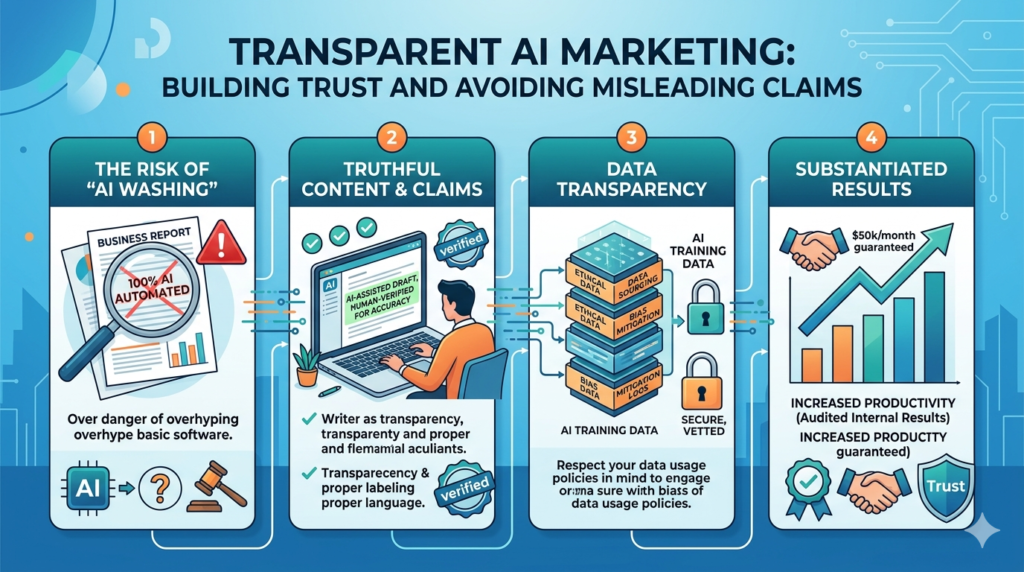
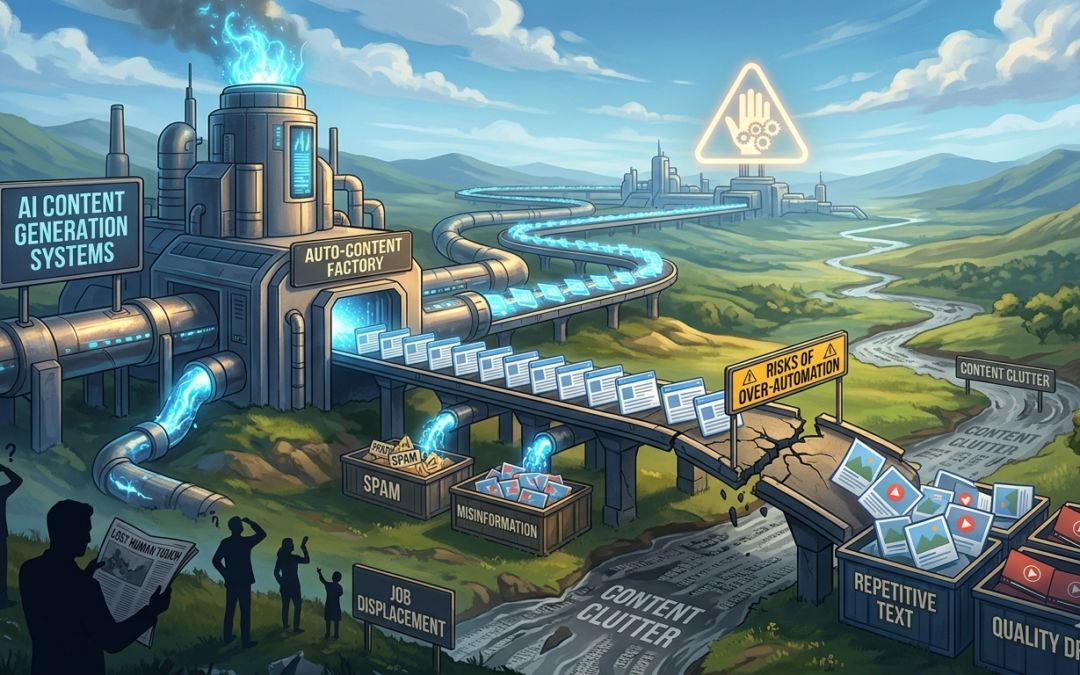
Artificial intelligence (AI) is increasingly used in content generation, publishing workflows, and digital marketing systems. While automation can support efficiency and scalability, excessive reliance on automated systems introduces risks related to accuracy, compliance, data handling, and content quality. This article outlines key considerations within regulatory and platform-aligned frameworks.
Accuracy and Information Reliability
AI-generated content is based on patterns learned from training data. It may produce outputs that are incomplete, outdated, or contextually incorrect.
Risks include:
- Misinterpretation of factual information
- Lack of source verification
- Inconsistent handling of complex or specialized topics
These issues can affect content credibility, particularly in informational or regulated domains.
Compliance and Regulatory Exposure
Automated systems may generate content that does not fully align with legal and regulatory requirements.
Relevant Philippine frameworks include:
- Consumer Act of the Philippines (RA 7394) — prohibits misleading or deceptive representations
- E-Commerce Act of 2000 (RA 8792) — governs electronic transactions and digital communications
- Data Privacy Act of 2012 (RA 10173) — regulates personal data processing
Potential risks:
- Unintentional misleading statements
- Missing required disclosures
- Improper handling of personal or sensitive data
Human oversight is typically required to review content against applicable standards.
Loss of Context and Nuance
AI systems process input data without full situational awareness. Over-automation may result in:
- Generic or repetitive messaging
- Limited cultural or local context awareness
- Inability to interpret regulatory nuances or evolving policies
This can reduce relevance for specific audiences or jurisdictions.
Content Quality and Originality Concerns
High levels of automation may lead to:
- Content duplication or similarity across outputs
- Reduced depth of analysis
- Over-reliance on templated structures
Search and content platforms may evaluate quality using signals related to originality, clarity, and demonstrated expertise.
Data Privacy and Security Risks
AI content systems may process user inputs or datasets that include personal information. Risks include:
- Unauthorized data exposure
- Insufficient consent mechanisms
- Storage or processing outside regulated environments
Under the Data Privacy Act of 2012, organizations are expected to implement safeguards and ensure lawful data processing practices. Guidance is provided by the National Privacy Commission.
Platform Policy Misalignment
Digital platforms maintain content and advertising policies that may change over time. Automated systems may not always reflect the most current rules.
Risks include:
- Non-compliant ad or content formatting
- Violations of platform-specific guidelines
- Reduced visibility or content moderation actions
Regular review of official platform documentation is necessary to maintain alignment.
Over-Dependence on Automation
Excessive reliance on AI systems can reduce human involvement in:
- Editorial judgment
- Fact-checking and validation
- Ethical decision-making
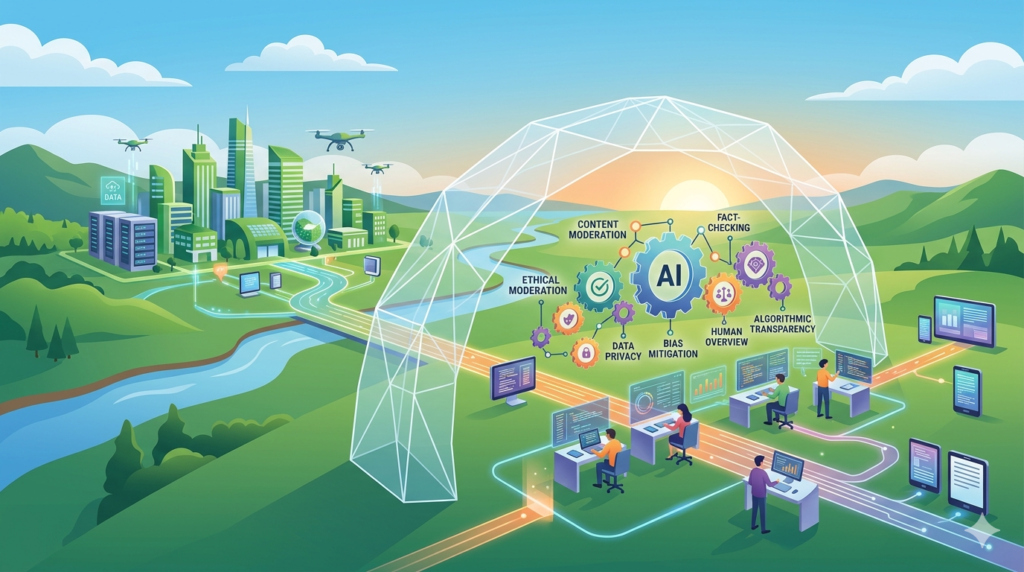
This may affect overall governance and accountability in content production processes.
AI in Content Production
AI systems are part of a broader shift toward automation in digital workflows. Their use spans drafting, summarization, translation, and data analysis. However, industry guidance and regulatory standards continue to emphasize the importance of human review, transparency, and responsible use.
FAQs
What is over-automation in AI content systems?
Over-automation refers to excessive reliance on AI tools to generate or manage content with minimal human review. It may affect accuracy, compliance, and contextual relevance.
Can AI-generated content contain errors?
Yes. AI systems may produce incorrect or incomplete information depending on input data and model limitations. Verification against reliable sources is commonly required.
How does data privacy apply to AI content systems?
AI systems that process personal data must comply with applicable laws such as the Data Privacy Act of 2012. This includes lawful processing, user consent, and data protection measures.
Trusted Sources
- Google Search Central (official documentation)
- National Privacy Commission (Philippines)
- Department of Trade and Industry (DTI) guidelines
- Platform policy documentation (e.g., Meta, TikTok)
- Academic research on AI and automated systems
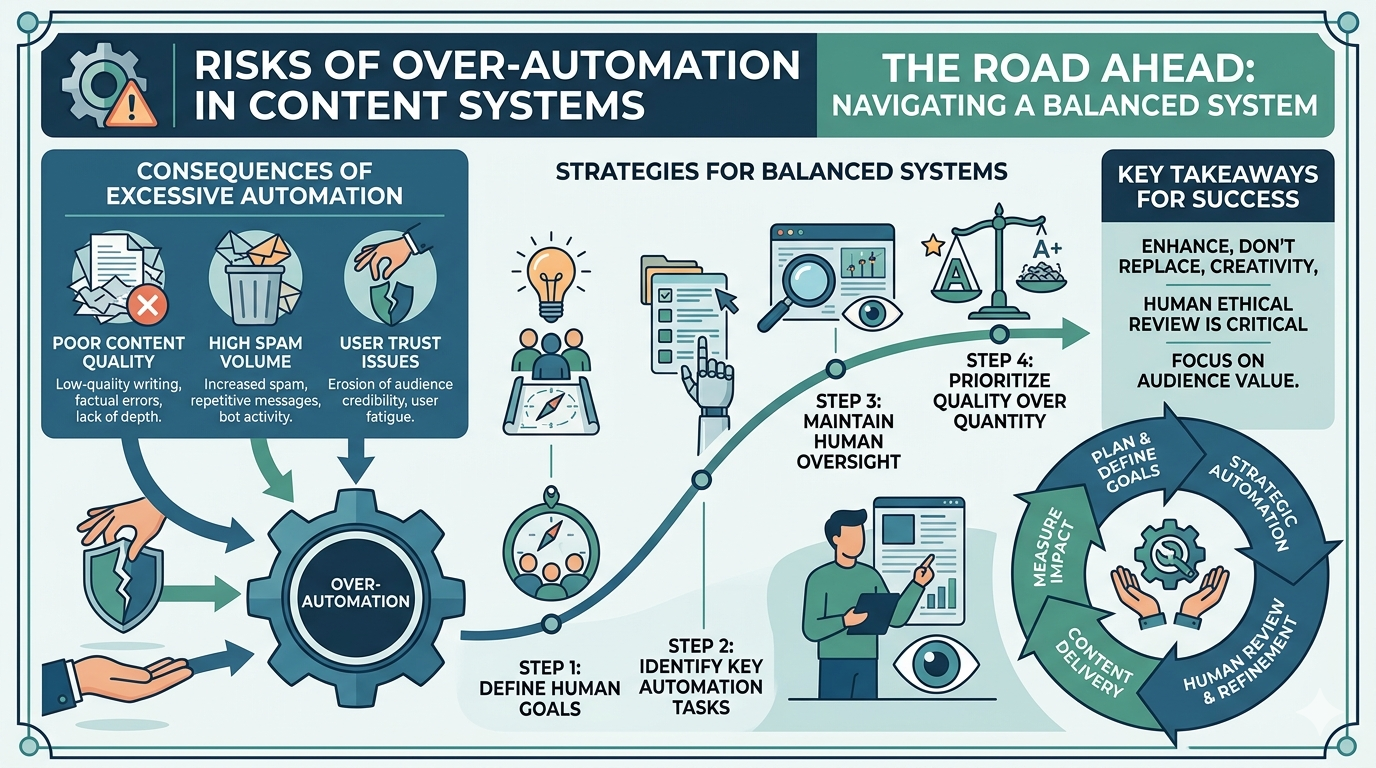
Visual breakdown of common risk categories in AI content automation systems
Disclaimer
This content is for general informational and educational purposes only. It does not constitute professional marketing, legal, financial, or business advice. References to digital marketing tools, platforms, SEO strategies, or AI systems do not imply endorsement or guarantee results. Readers are encouraged to consult verified official sources and licensed professionals before making business or marketing decisions.