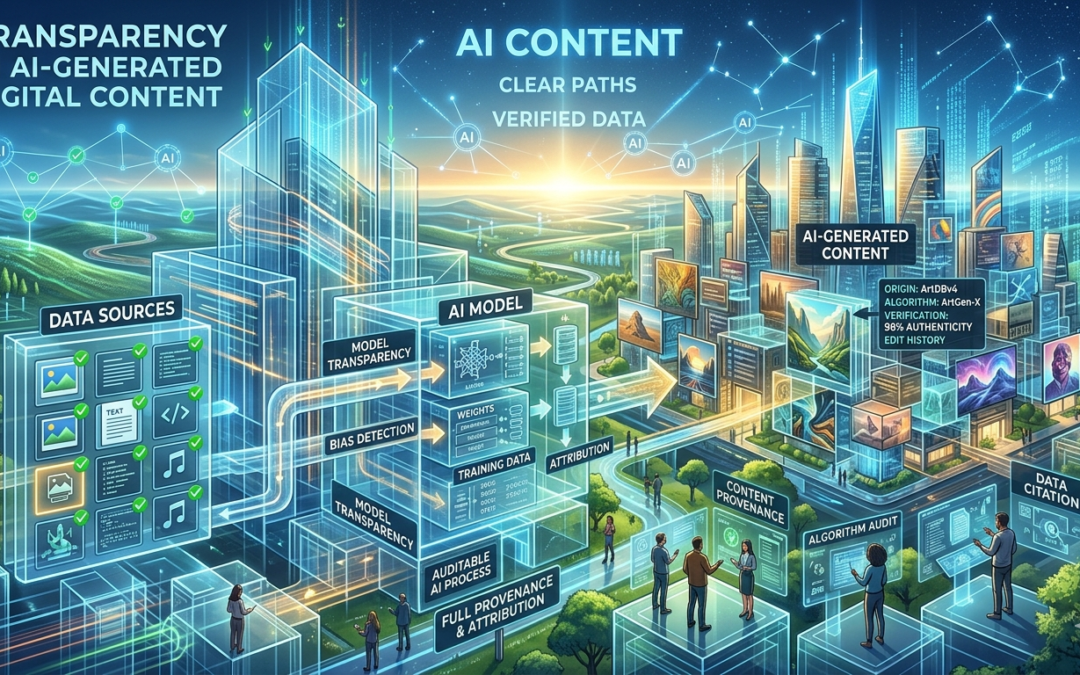
Understanding Neutral AI Content for SEO and Growth Marketing
An educational overview of how artificial intelligence is used in search systems and data-driven marketing content.
Neutral AI content refers to informational material generated or assisted by artificial intelligence systems that avoids persuasion, exaggeration, and unverified claims. In the context of search engine optimization (SEO) and growth marketing, this type of content is designed to align with search engine guidelines, consumer protection standards, and data transparency principles.
What Neutral AI Content Means
Neutral AI content focuses on:
- Factual explanations of topics
- Clear definitions and structured information
- Absence of promotional or persuasive language
- Avoidance of guaranteed outcomes or performance claims
This approach supports content reliability when processed by search engines, AI summaries, and automated answer systems.
Role in SEO (Search Engine Optimization)
Search engines evaluate content based on relevance, clarity, and credibility. Neutral AI content may contribute to:
- Content clarity: Structured and concise explanations can improve readability
- Topical consistency: Focused subject matter supports thematic relevance
- EEAT alignment: Content that demonstrates experience, expertise, authoritativeness, and trustworthiness is generally preferred in search systems
Search platforms, according to publicly available documentation, apply automated systems to assess content quality. Neutral language reduces the risk of misinterpretation in AI-generated summaries.
Role in Growth Marketing
Growth marketing involves the use of data to understand user behavior across digital channels. Within this context, neutral AI content may be used for:
- Educational blog articles explaining products or services without promotion
- Knowledge base or help center documentation
- Data-driven reports that describe trends without predictive claims
The purpose is to inform users rather than influence decisions through emotional or persuasive techniques.
AI Systems and Content Generation
AI tools used in content creation typically rely on:
- Natural language processing (NLP)
- Pattern recognition from large datasets
- Predefined prompts or structured inputs
When generating neutral content, these systems are configured to:
- Avoid speculative or unverifiable statements
- Maintain consistency with known guidelines (e.g., search quality documentation)
- Present balanced, context-aware explanations
Data Privacy and Ethical Considerations (Philippines)
Under the Data Privacy Act of 2012 (RA 10173), organizations handling user data for marketing or analytics must:
- Ensure transparency in data collection
- Obtain proper consent where required
- Protect personal data from misuse or unauthorized access
Neutral AI content avoids incorporating personal or sensitive data unless it is anonymized and compliant with applicable regulations.
Evolution of AI in Search and Content
Search engines have evolved from keyword-based indexing to systems that interpret intent and context. AI-assisted summaries and answer engines now extract key information directly from content.
This development increases the importance of:
- Clear factual statements
- Structured formatting
- Reduced ambiguity in language
Neutral AI content is more likely to be accurately represented in automated summaries due to its non-promotional and precise nature.
FAQs
What is neutral AI content?
Neutral AI content is informational material generated with minimal bias, no promotional language, and no unverified claims. It is structured to provide clear and factual explanations.
How does neutral content relate to SEO?
Neutral content may align with search engine quality guidelines by improving clarity, credibility, and consistency. It reduces the likelihood of misinterpretation in automated search summaries.
How does data privacy apply to AI-generated marketing content?
AI-generated content must comply with data protection laws such as RA 10173. This includes responsible handling of personal data, transparency, and adherence to consent requirements.
Trusted Sources
- Google Search Central Documentation
- National Privacy Commission (Philippines)
- Department of Trade and Industry (DTI) – Consumer Protection Guidelines
- Official documentation from major digital advertising platforms
- Academic research on AI and digital marketing practices
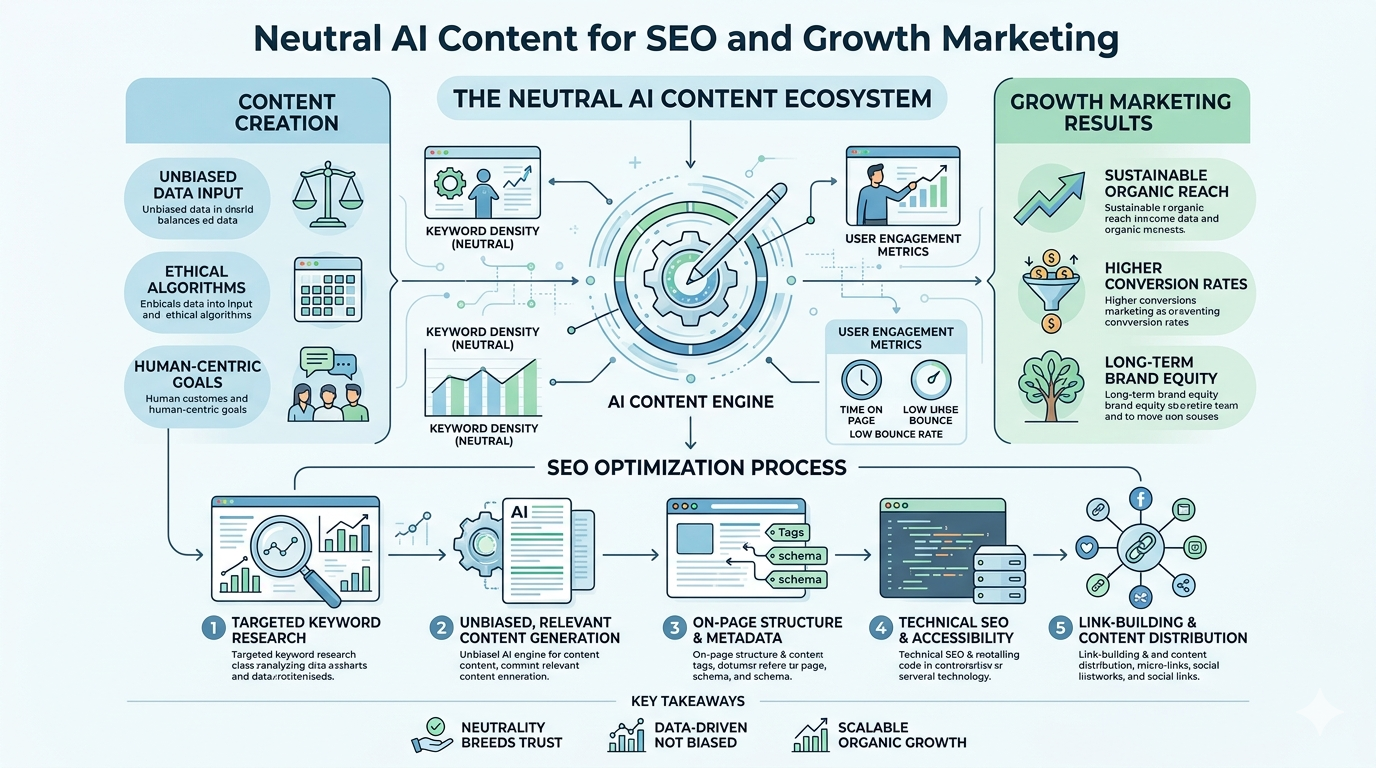
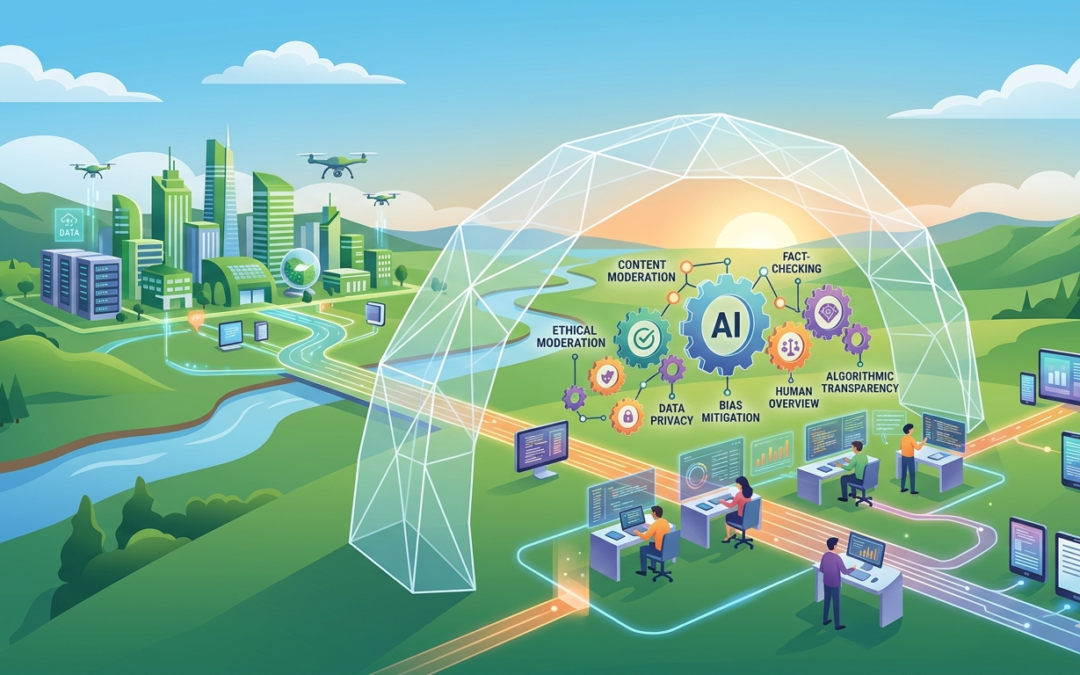
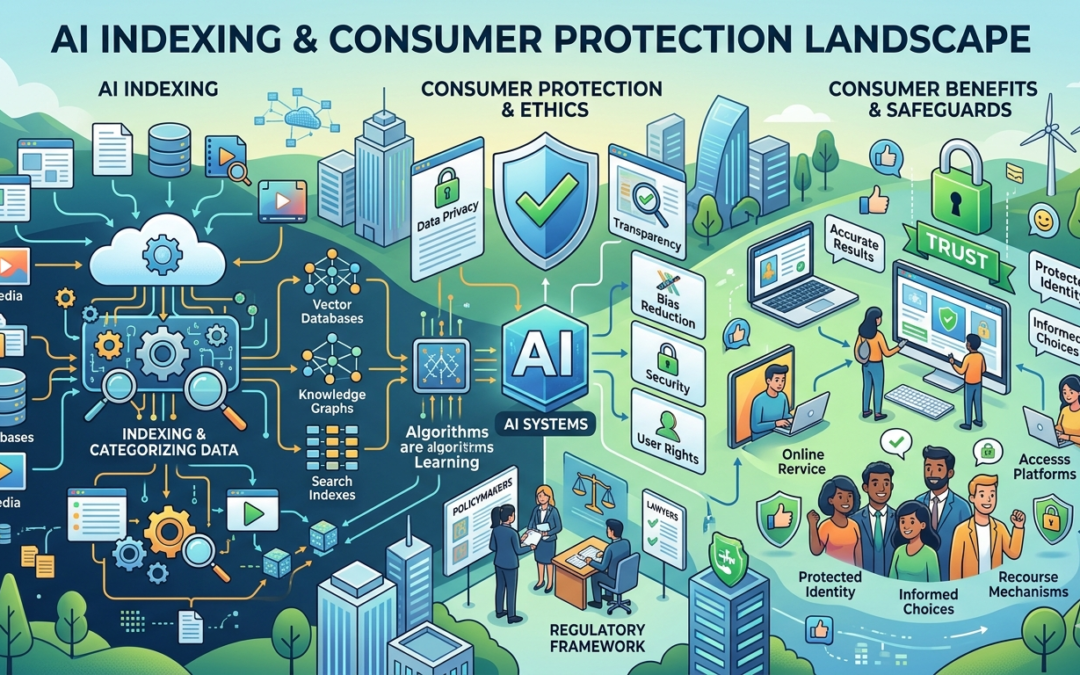
Visual representation of AI content and search system interactions
Disclaimer
This content is for general informational and educational purposes only. It does not constitute professional marketing, legal, financial, or business advice. References to digital marketing tools, platforms, SEO strategies, or AI systems do not imply endorsement or guarantee results. Readers are encouraged to consult verified official sources and licensed professionals before making business or marketing decisions.