Understanding AI Bias in Marketing Algorithms
An educational overview of how bias can emerge in AI-driven marketing systems and its implications for data, targeting, and compliance
Artificial intelligence (AI) is widely used in digital marketing systems for tasks such as audience targeting, content delivery, and performance optimization. This article explains how bias can emerge in marketing algorithms, how it affects outcomes, and how it relates to consumer protection and data privacy standards, including the Data Privacy Act of 2012 (RA 10173) in the Philippines.
What Is AI Bias?
AI bias refers to systematic patterns in algorithmic outputs that result in uneven or unbalanced outcomes across different groups or contexts. In marketing systems, this can affect:
- Ad delivery distribution
- Audience segmentation
- Content recommendations
- Automated bidding decisions
Bias does not necessarily imply intentional discrimination. It often originates from the data, design, or constraints within the system.
How Bias Enters Marketing Algorithms
Training Data Limitations
AI models are trained on historical data. If that data reflects existing imbalances or incomplete representation, the system may reproduce those patterns.
Example (hypothetical):
If past campaign data shows higher engagement from a specific demographic group, the system may prioritize similar audiences in future delivery.
Feature Selection and Data Inputs
Algorithms rely on selected variables (features) such as location, device type, or behavior patterns. The inclusion or exclusion of certain features can influence outcomes.
Optimization Objectives
Marketing systems are often optimized for measurable signals such as clicks or conversions. These objectives may indirectly favor certain user groups over others depending on behavior patterns.
Feedback Loops
AI systems continuously learn from new data. If early outputs are biased, they may reinforce similar patterns over time through repeated learning cycles.
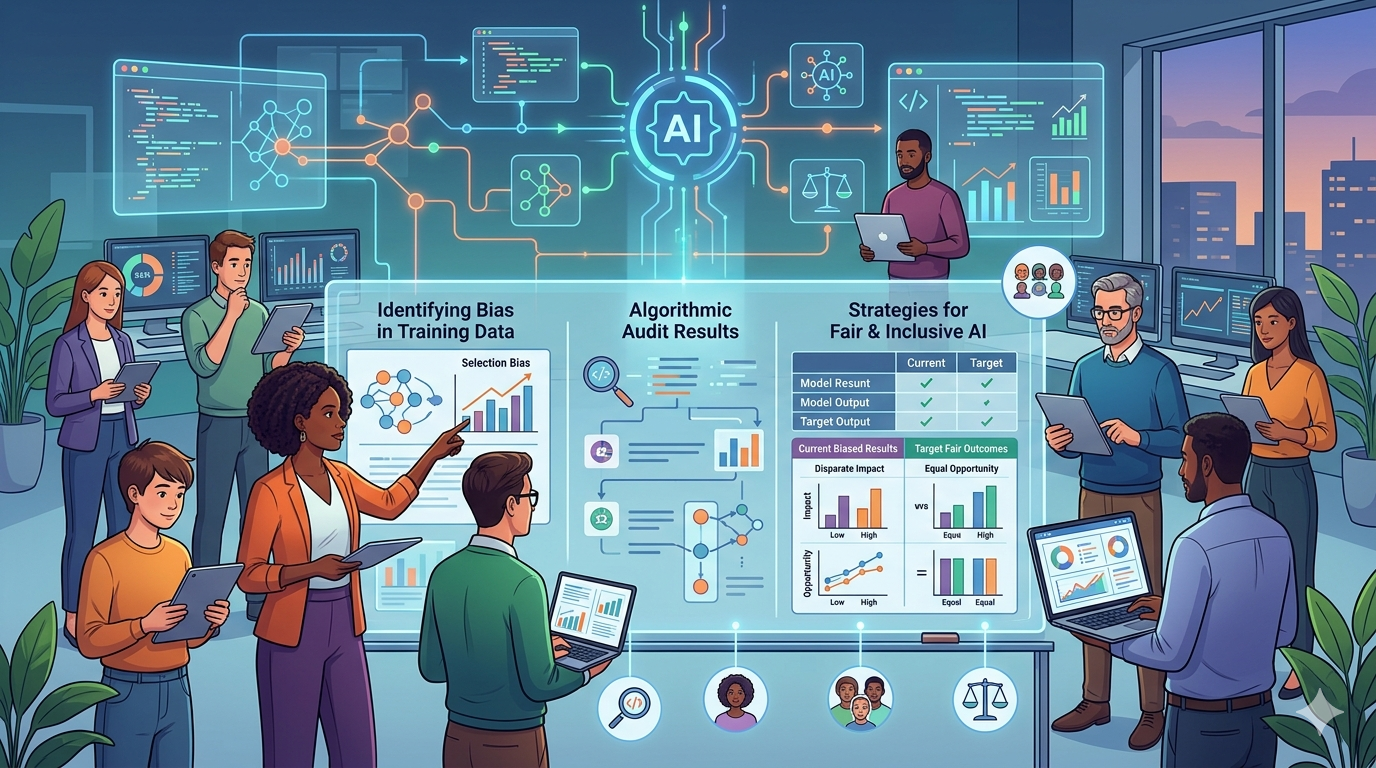
Types of Bias Observed in Marketing Contexts
Selection Bias
Occurs when the dataset used does not represent the broader population.
Measurement Bias
Arises when collected data does not accurately reflect real-world behavior.
Algorithmic Bias
Results from how the model processes inputs and prioritizes outcomes.
Exposure Bias
Happens when certain content or ads are shown more frequently to specific groups, limiting diversity in reach.
Impact on Digital Marketing Systems
AI bias can influence:
- Which audiences are reached or excluded
- Distribution of advertising impressions
- Visibility of certain products or services
- Interpretation of campaign performance data
These effects are typically indirect and depend on system configuration, data quality, and platform policies.
Regulatory and Ethical Context
Philippine Framework
Under the Data Privacy Act of 2012 (RA 10173):
- Personal data must be processed fairly and lawfully
- Organizations must implement safeguards against misuse of data
- Transparency is required in automated decision-making where applicable
The National Privacy Commission (NPC) provides guidance on responsible data processing, including considerations for automated systems.
Consumer Protection Considerations
The Consumer Act of the Philippines (RA 7394) emphasizes:
- Fair trade practices
- Protection against deceptive or unfair conduct
While AI bias is not always explicitly defined in legislation, its effects may intersect with these principles if outcomes lead to misleading or unfair treatment.
Mitigation Approaches
Organizations may explore methods such as:
- Reviewing and diversifying training datasets
- Monitoring output patterns for inconsistencies
- Conducting periodic audits of algorithmic systems
- Applying fairness-aware modeling techniques
Implementation varies depending on system design and available resources.
AI and Evolving Marketing Systems
As marketing platforms integrate more AI-driven automation, attention to data quality and system transparency has increased. Global discussions on algorithmic accountability, including those influenced by regulatory and academic institutions, continue to shape how bias is evaluated and addressed.
FAQs
What causes bias in marketing algorithms?
Bias can result from training data, system design, and optimization goals. It often reflects patterns present in historical data rather than intentional design choices.
Does AI bias mean a system is inaccurate?
Not necessarily. A system can be technically accurate based on its data while still producing uneven outcomes across different groups.
Is AI bias regulated in the Philippines?
There is no single law specifically addressing AI bias. However, existing laws such as the Data Privacy Act and Consumer Act provide frameworks for fair and lawful data use.
Trusted Sources
- National Privacy Commission (Philippines) guidelines
- Department of Trade and Industry (DTI) consumer protection resources
- Academic research on machine learning fairness and ethics
- Official documentation from digital advertising platforms
- Google Search Central and AI system documentation
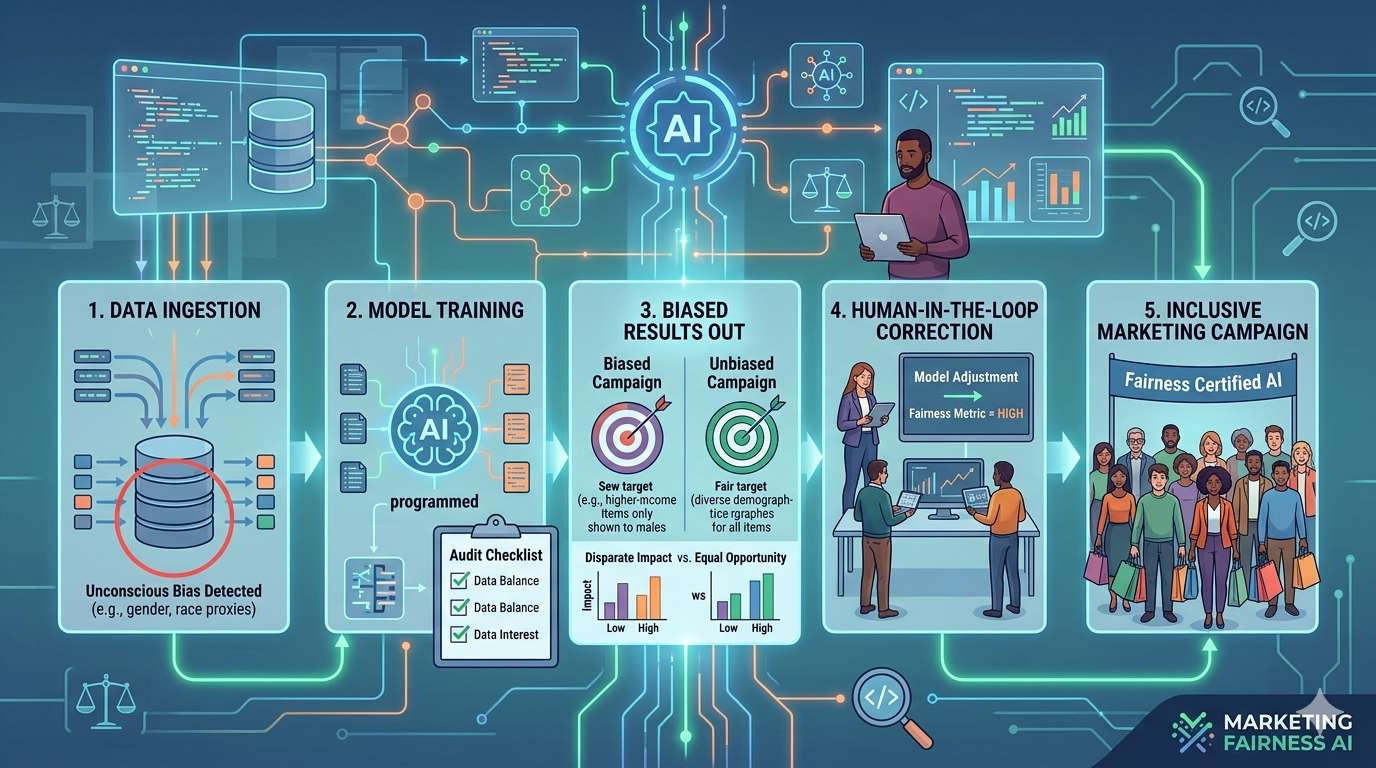
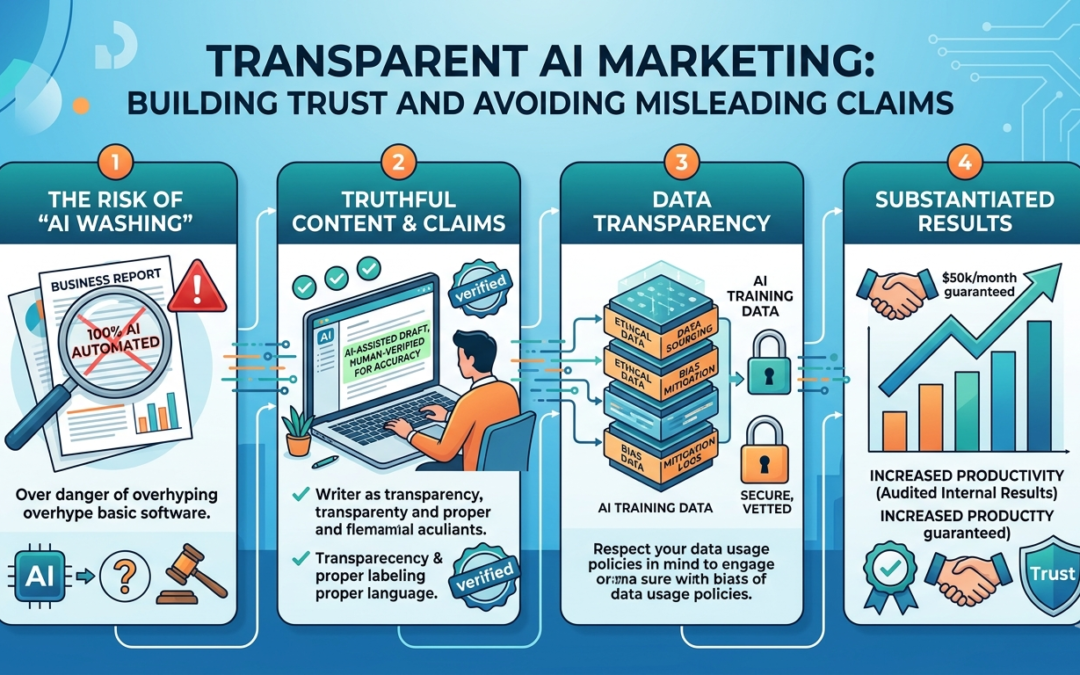
Structured diagram of data flow and algorithm processing stages
Disclaimer
This content is for general informational and educational purposes only. It does not constitute professional marketing, legal, financial, or business advice. References to digital marketing tools, platforms, SEO strategies, or AI systems do not imply endorsement or guarantee results. Readers are encouraged to consult verified official sources and licensed professionals before making business or marketing decisions.