Ethical Guidelines for AI Content Creation
An educational overview of responsible practices in AI-generated content across digital platforms
This article outlines general ethical principles for creating and publishing AI-generated content. It explains how transparency, accuracy, accountability, and data protection apply within digital environments. The discussion references Philippine regulations such as the Data Privacy Act of 2012 (RA 10173) and Consumer Act of the Philippines (RA 7394), along with global standards related to consumer protection and responsible AI use.
Transparency in AI-Generated Content
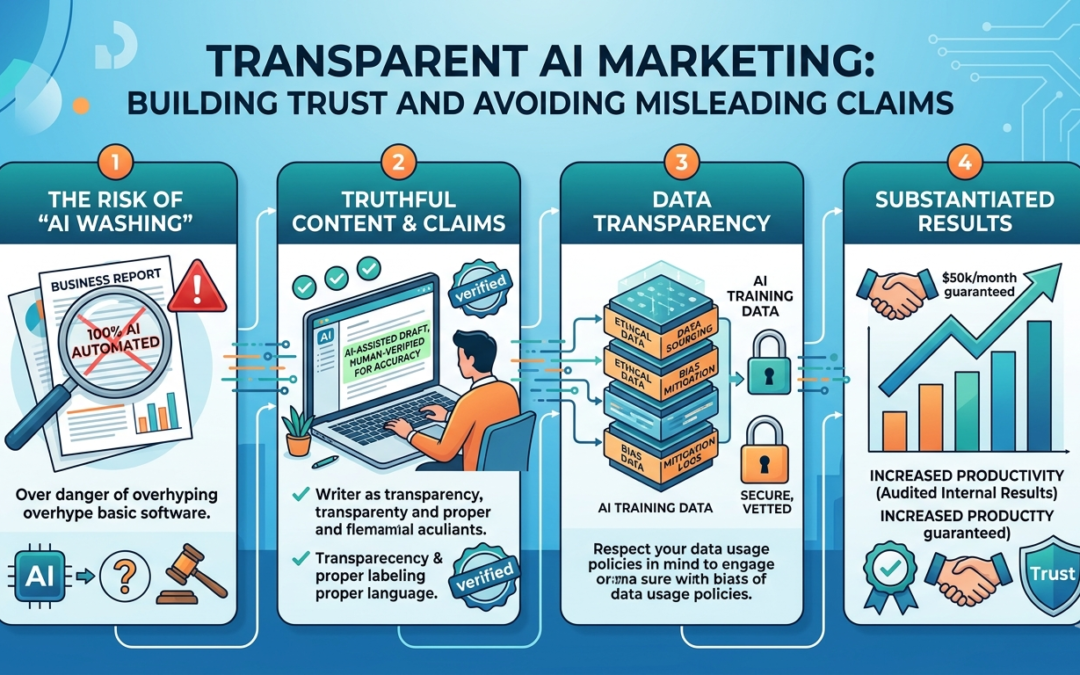
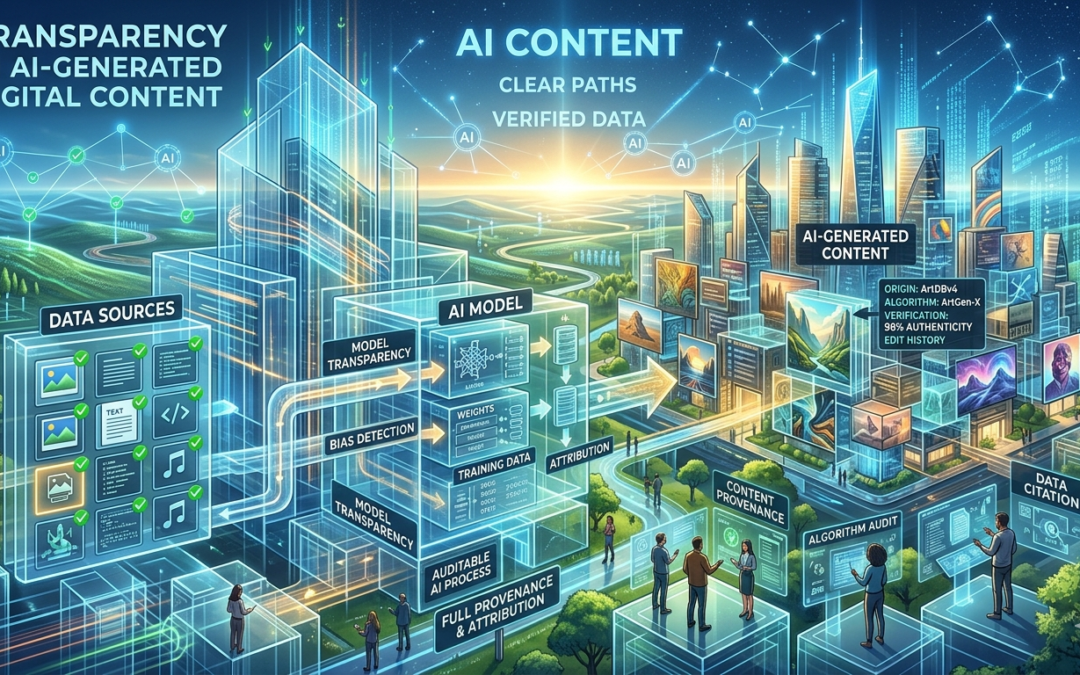
Transparency involves clearly indicating when content is created or assisted by AI systems. This helps audiences understand how the information was produced and reduces the risk of misinterpretation.
Common transparency practices include:
- Disclosing AI involvement where relevant
- Avoiding presentation of AI-generated content as human-authored without clarification
- Providing context about how information is generated or summarized
Accuracy and Verifiability
AI-generated content should be based on verifiable and reliable information. Since AI systems generate outputs based on patterns in data, they may produce inaccuracies or outdated details.
Ethical considerations include:
- Cross-checking factual information with trusted sources
- Avoiding unsupported claims or statements
- Clearly distinguishing between facts, assumptions, and hypothetical examples
Accountability and Responsibility
Responsibility for published content remains with the individual or organization that distributes it, regardless of AI involvement.
Key points include:
- Reviewing AI outputs before publication
- Correcting errors when identified
- Ensuring compliance with applicable laws and platform policies
Data Privacy and Protection
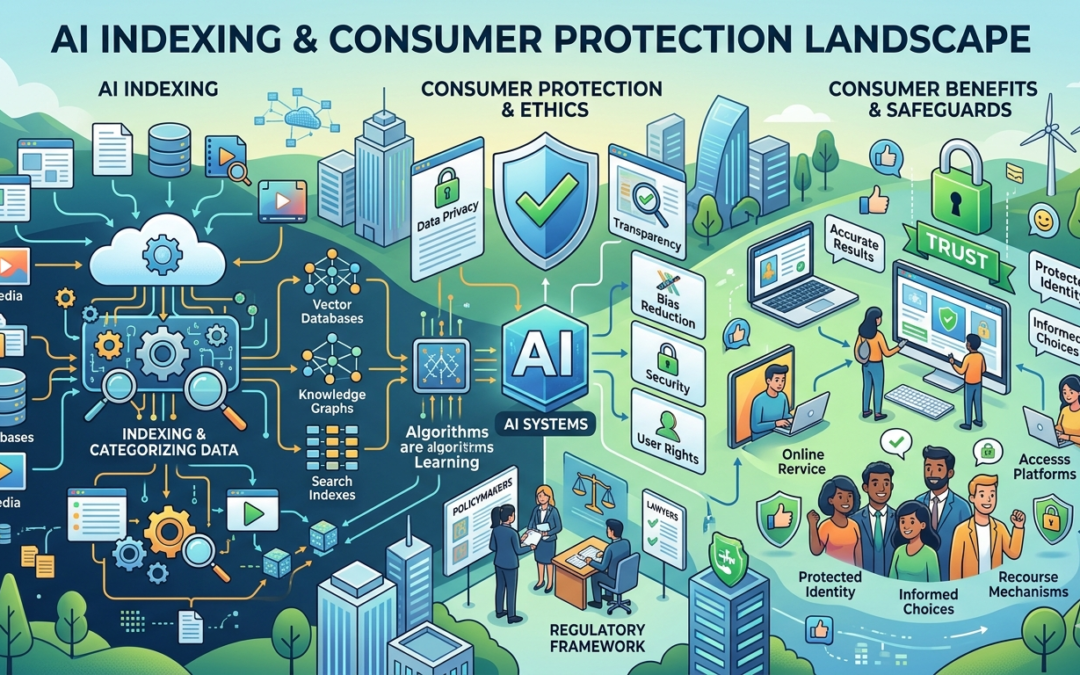
AI systems may process personal or behavioral data. Ethical use requires alignment with privacy regulations, including the Data Privacy Act of 2012 (RA 10173).
Important principles:
- Collect only necessary data
- Inform users about data usage
- Protect personal information from unauthorized access
The National Privacy Commission (NPC) provides guidance on responsible data handling practices in the Philippines.
Avoidance of Deceptive or Misleading Content
AI content should not misrepresent facts, exaggerate claims, or create false impressions. This aligns with consumer protection standards under Philippine law and global advertising guidelines.
Examples of practices to avoid:
- Fabricated data or statistics
- Misleading headlines or summaries
- Implicit claims of guaranteed outcomes
Bias and Fairness Considerations
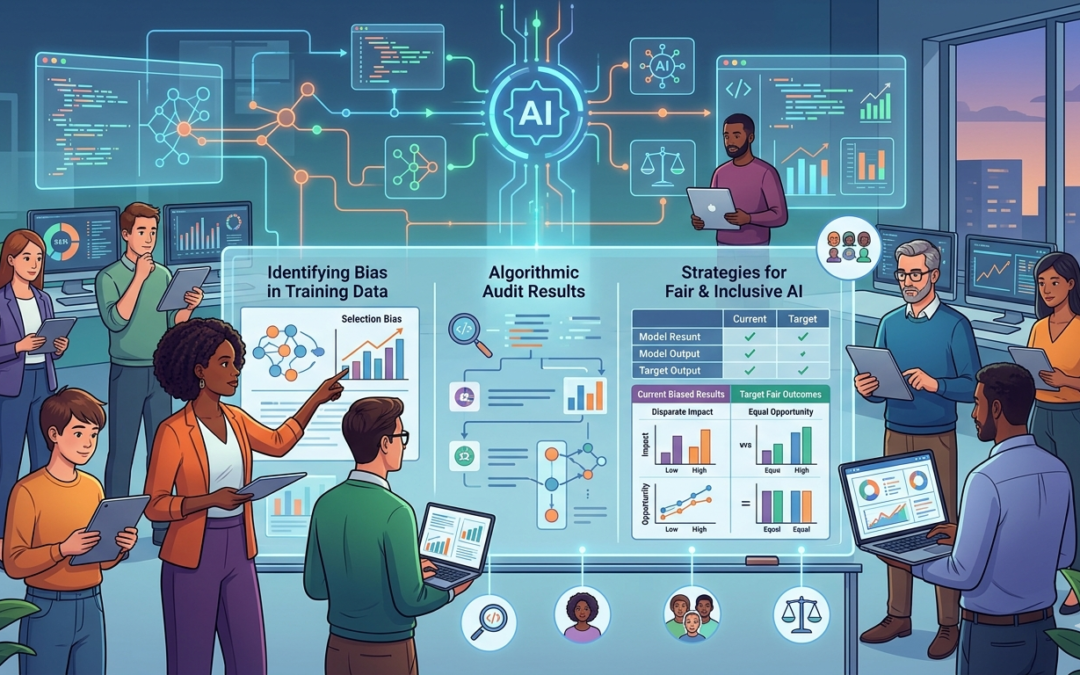
AI systems may reflect biases present in training data. Ethical content creation includes efforts to minimize unfair or discriminatory outputs.
Approaches include:
- Reviewing content for unintended bias
- Using inclusive and neutral language
- Avoiding stereotypes or unsupported generalizations
Intellectual Property and Content Ownership
AI-generated content may raise questions about originality and ownership. Ethical use involves respecting existing intellectual property rights.
Considerations include:
- Avoiding unauthorized use of copyrighted material
- Citing sources when applicable
- Ensuring generated content does not replicate protected works
Platform and Policy Compliance
Digital platforms maintain guidelines for AI-generated and automated content. These policies often address:
- Content authenticity
- Disclosure requirements
- Prohibited practices (e.g., spam, manipulation)
Reviewing official platform documentation helps ensure alignment with current standards.
Context
The increased use of AI in content creation has led to expanded discussions on digital ethics, governance, and accountability. Regulatory bodies and technology platforms continue to update policies to address risks such as misinformation, data misuse, and automated manipulation. These developments reflect broader efforts to maintain trust in digital information systems.
FAQs
What is AI-generated content?
AI-generated content refers to text, images, or other media created using artificial intelligence systems. These systems analyze patterns in data to produce outputs based on user inputs or prompts.
Why is transparency important in AI content creation?
Transparency helps audiences understand how content is produced. It reduces confusion and supports informed interpretation of information.
How does data privacy relate to AI content?
AI systems may use or process personal data. Privacy laws require that such data is handled responsibly, with proper consent and protection measures in place.
Trusted Sources
- National Privacy Commission (Philippines)
- Department of Trade and Industry (DTI) consumer protection guidelines
- Google Search Central documentation
- Official platform policy resources (Meta, TikTok, others)
- Academic research on AI ethics and digital governance
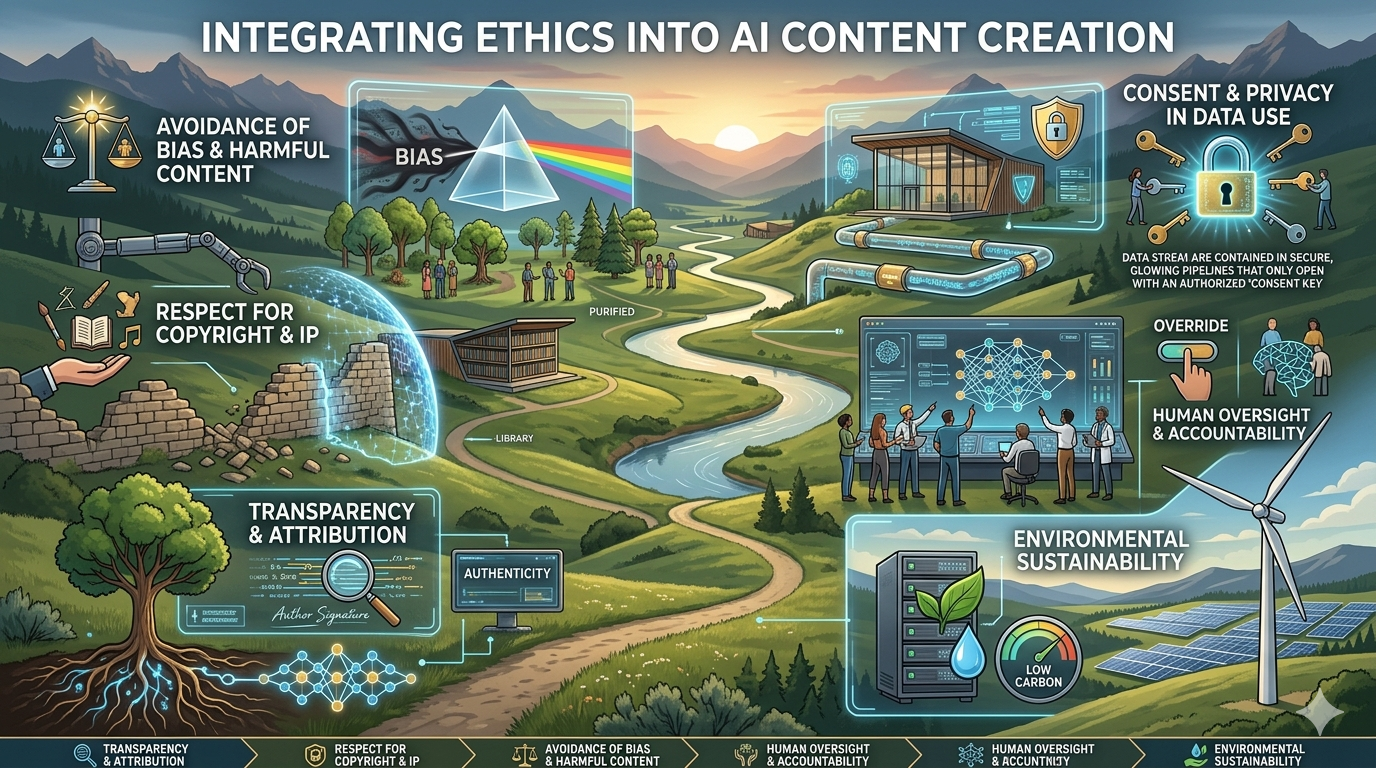
Diagram outlining core ethical components in AI-generated content systems
Disclaimer
This content is for general informational and educational purposes only. It does not constitute professional marketing, legal, financial, or business advice. References to digital marketing tools, platforms, SEO strategies, or AI systems do not imply endorsement or guarantee results. Readers are encouraged to consult verified official sources and licensed professionals before making business or marketing decisions.