Human Oversight in AI Marketing Content
Understanding Human Oversight in AI Marketing Content
An Educational Overview of Review, Accountability, and Compliance in AI-Assisted Content Systems
This article explains the role of human oversight in AI-generated marketing content. It outlines how review processes, regulatory considerations, and ethical standards apply when using AI systems in digital marketing. It also describes how oversight aligns with Philippine regulations such as the Data Privacy Act of 2012 and broader global consumer protection frameworks.
What Is Human Oversight in AI Marketing Content?
Human oversight refers to the involvement of individuals in reviewing, validating, and monitoring content generated by AI systems before and after publication. In marketing contexts, this includes checking for accuracy, compliance with advertising standards, and alignment with data privacy requirements.
AI systems can assist in drafting text, analyzing data, or generating content variations. However, these systems operate based on patterns in data and may produce outputs that require verification.
Why Oversight Is Relevant in Digital Marketing
AI-generated marketing content can influence consumer understanding and decision-making. Oversight helps ensure that such content:
- Does not contain misleading or unverified claims
- Aligns with fair advertising practices under Philippine consumer protection laws
- Respects user data and privacy obligations under applicable regulations
- Avoids unintended bias or inappropriate messaging
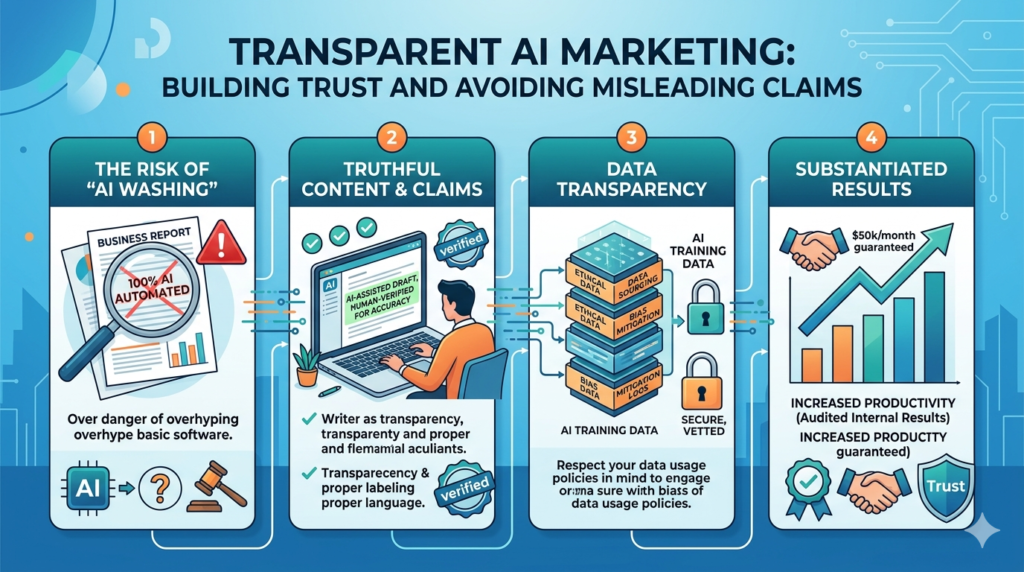
Oversight is also relevant for maintaining transparency when automated systems are used in content creation.
Key Areas Where Human Oversight Applies
Content Accuracy and Verification
Human reviewers assess whether factual statements are correct and supported by reliable sources. AI-generated outputs may include outdated or incomplete information.
Compliance With Advertising Regulations
Marketing content is subject to rules under agencies such as the Department of Trade and Industry (DTI). Oversight helps ensure that content does not misrepresent products, services, or outcomes.
Data Privacy and Ethical Use
Under the Data Privacy Act of 2012, personal data must be handled responsibly. Oversight includes checking whether AI-generated content uses or references data in a compliant and ethical manner.
Tone and Consumer Safety
AI outputs are reviewed to ensure neutral and non-deceptive language. This includes avoiding exaggerated claims or emotional manipulation.
Bias and Fairness Review
AI systems may reflect biases present in training data. Human oversight helps identify and mitigate potentially discriminatory or unbalanced content.
Oversight Methods Commonly Used
- Pre-publication review: Human validation before content goes live
- Post-publication monitoring: Ongoing checks for accuracy and compliance
- Editorial guidelines: Internal standards for tone, claims, and disclosures
- Audit trails: Documentation of how AI-generated content is reviewed and approved
- Human-in-the-loop systems: Workflows where AI assists but humans make final decisions
These methods support accountability and traceability in content production.
AI and Regulatory Expectations
Globally, digital platforms and regulators emphasize transparency and responsible AI use. Search engines and content platforms have introduced quality guidelines that prioritize accuracy, credibility, and user safety.
In the Philippines, consumer protection and data privacy laws provide a framework for evaluating marketing practices, including those involving automated systems.
FAQs
What is AI-generated marketing content?
AI-generated marketing content refers to text, images, or other materials created using automated systems trained on large datasets. These systems assist in content production but do not replace human review.
Why is human oversight necessary in AI content?
Human oversight helps verify accuracy, ensure compliance with regulations, and maintain ethical standards. It reduces the risk of publishing misleading or inappropriate content.
How does data privacy relate to AI marketing content?
Data privacy laws require responsible handling of personal information. Oversight ensures that AI-generated content does not misuse or improperly reference personal data.
Trusted Sources
- National Privacy Commission (Philippines) — Data Privacy Act of 2012 guidelines
- Department of Trade and Industry (DTI) — Consumer protection and advertising standards
- Google Search Central — Search quality and content guidelines
- Federal Trade Commission (FTC) — Advertising and endorsement guidelines (educational reference)
- Academic research on AI ethics and digital marketing practices
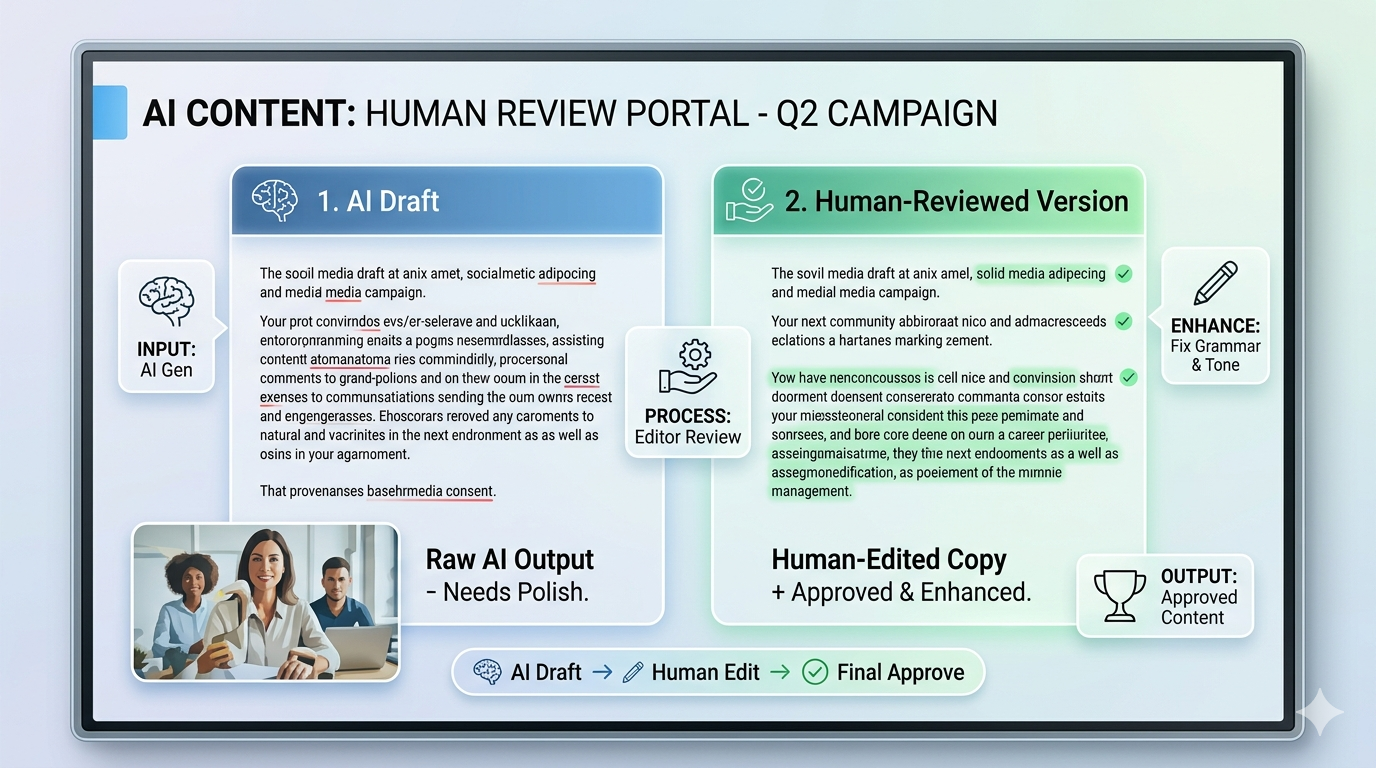
Infographic showing stages of human oversight in AI content systems
Disclaimer
This content is for general informational and educational purposes only. It does not constitute professional marketing, legal, financial, or business advice. References to digital marketing tools, platforms, SEO strategies, or AI systems do not imply endorsement or guarantee results. Readers are encouraged to consult verified official sources and licensed professionals before making business or marketing decisions.