Avoiding Misleading AI Claims in Marketing Articles

Avoiding Misleading AI Claims in Marketing Articles


Avoiding Misleading AI Claims in Marketing Articles

An Educational Overview of Accuracy, Transparency, and Consumer Protection in AI-Related Content


This article explains how misleading claims can appear in marketing content related to artificial intelligence (AI) and how such risks are addressed through regulatory standards and ethical publishing practices. It outlines key principles based on Philippine consumer protection laws and global advertising guidelines, helping readers understand how AI-related statements are evaluated for accuracy and transparency.


Understanding Misleading AI Claims

Misleading AI claims refer to statements that exaggerate, misrepresent, or lack verifiable evidence about what AI systems can do. These claims may appear in descriptions of automation, analytics, personalization, or predictive capabilities.

Examples of potentially misleading patterns include:

  • Presenting probabilistic outputs as guaranteed outcomes
  • Describing experimental features as fully reliable systems
  • Omitting limitations, data dependencies, or error margins
  • Using vague terms such as “fully autonomous” without clarification

Under the Consumer Act of the Philippines (RA 7394), advertising must not contain deceptive or unfair representations. Similar standards are reflected in global consumer protection frameworks.


Common Risk Areas in AI Marketing Content


Overstating Capabilities

AI systems often rely on data patterns and statistical models. Claims that imply certainty, such as fixed outcomes or universal applicability, may not reflect how these systems function in practice.


Lack of Verifiable Evidence

Statements about performance, accuracy, or efficiency should be supported by publicly available documentation or clearly defined testing conditions. Without this context, claims may be difficult to validate.


Ambiguous Terminology

Terms like “smart,” “intelligent,” or “automated” can have broad meanings. Without explanation, they may create unclear or inflated expectations about system behavior.


Omission of Limitations

AI systems may have constraints related to data quality, bias, or environmental conditions. Not disclosing these factors can result in incomplete or misleading communication.


Implicit Guarantees

Phrases suggesting consistent results across all use cases may be interpreted as guarantees, which conflicts with both legal and ethical advertising standards.


Regulatory and Ethical Context


Philippine Framework

  • RA 7394 (Consumer Act): Prohibits deceptive, unfair, or misleading advertising
  • RA 8792 (E-Commerce Act): Requires transparency in digital communications
  • RA 10173 (Data Privacy Act): Governs lawful processing of personal data, including data used in AI systems
  • DTI Guidelines: Emphasize fair trade and truthful advertising practices
  • National Privacy Commission (NPC): Provides guidance on responsible data use and disclosure


Global Standards

  • FTC-style guidelines: Require clear disclosure and substantiation of claims
  • Search platform policies: Emphasize content accuracy, trustworthiness, and clarity (aligned with EEAT principles)
  • AI transparency initiatives: Encourage explanation of system capabilities and limitations


Practices for Maintaining Accuracy in AI Content


Use Verifiable Language

Describe AI functions based on documented capabilities. If information is derived from official sources, indicate that context clearly.


Clarify Scope and Conditions

Explain where and how the AI system operates. Include relevant constraints such as data requirements or environmental dependencies.


Avoid Absolute Statements

Replace definitive language with conditional or descriptive phrasing that reflects variability in outcomes.


Define Technical Terms

Provide clear explanations for specialized terminology to reduce ambiguity.


Disclose Limitations

Include known constraints, uncertainties, or dependencies to provide a balanced view of system performance.


AI in Digital Marketing Communication

AI is commonly referenced in areas such as search algorithms, recommendation systems, ad targeting, and analytics. These systems typically operate using statistical modeling, machine learning, and pattern recognition. Their outputs depend on input data, system design, and external variables, which means outcomes may vary across different scenarios.

In digital marketing content, describing these systems accurately supports consumer understanding and aligns with both regulatory requirements and platform content standards.


FAQs

What is a misleading AI claim?
A misleading AI claim is a statement that inaccurately represents the capabilities, reliability, or outcomes of an AI system. This may include exaggeration, omission of limitations, or lack of supporting evidence.

Why is accuracy important in AI marketing content?
Accuracy helps ensure that consumers receive clear and truthful information. It also supports compliance with legal standards and reduces the risk of misinterpretation.

How can AI limitations be communicated clearly?
Limitations can be described by outlining data dependencies, possible error margins, and conditions where the system may not perform as expected.


Trusted Sources

  • Philippine Department of Trade and Industry (DTI) – Consumer Protection Guidelines
  • National Privacy Commission (NPC) – Data Privacy Act Resources
  • Official search engine documentation (e.g., search quality and content guidelines)
  • Platform policy centers for digital advertising and AI disclosures
  • Academic research on AI ethics and communication standards
 

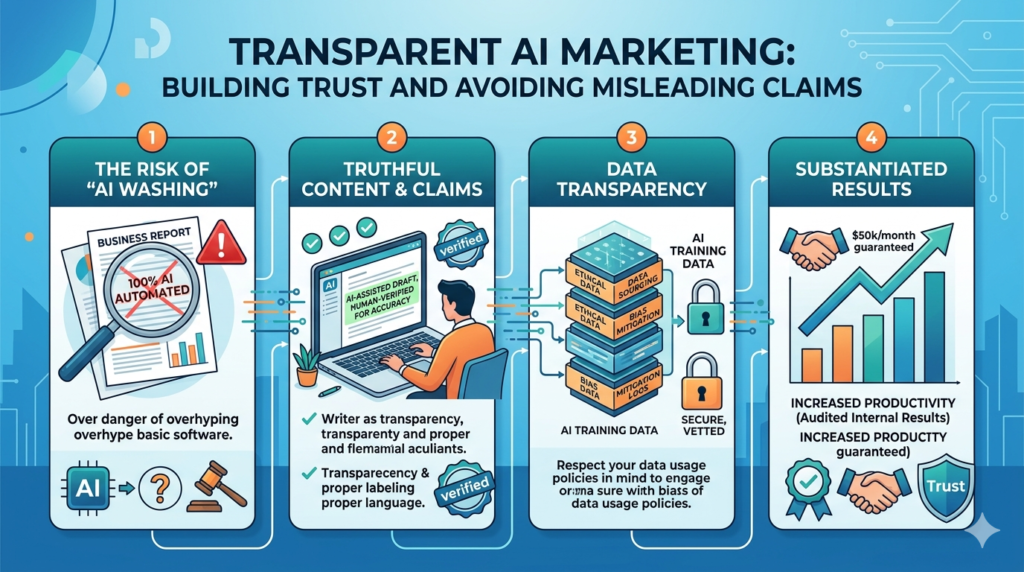
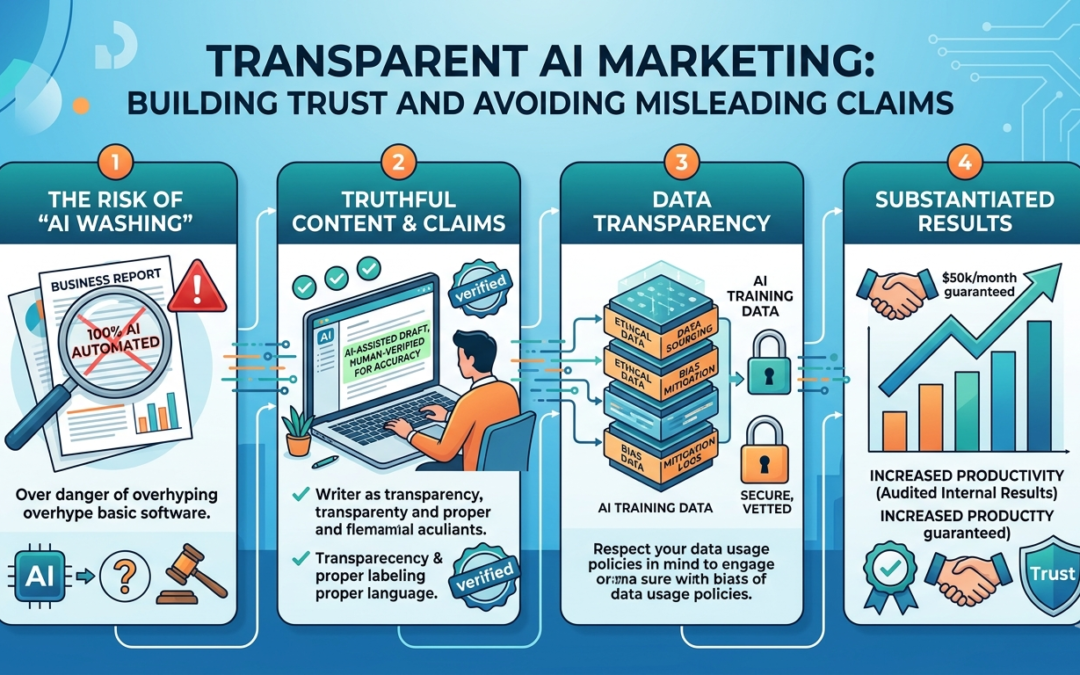
Infographic layout showing categories of AI marketing claims, including exaggeration, ambiguity, and missing context

Structured visual of AI marketing claim categories and transparency indicators


Disclaimer

This content is for general informational and educational purposes only. It does not constitute professional marketing, legal, financial, or business advice. References to digital marketing tools, platforms, SEO strategies, or AI systems do not imply endorsement or guarantee results. Readers are encouraged to consult verified official sources and licensed professionals before making business or marketing decisions.
Transparency in AI-Generated Digital Content

Transparency in AI-Generated Digital Content


Transparency in AI-Generated Digital Content


An educational overview of disclosure, accountability, and consumer protection in AI-assisted media


This article explains the concept of transparency in AI-generated digital content, including how disclosures, data practices, and accountability mechanisms function across digital platforms. It references relevant regulatory frameworks such as the Consumer Act of the Philippines (RA 7394), the Data Privacy Act of 2012 (RA 10173), and global standards on consumer protection and advertising transparency. Readers will learn how AI-generated content is identified, how platforms and organizations communicate its use, and how transparency supports informed digital consumption.


What is AI-Generated Content

AI-generated content refers to text, images, audio, or video created or assisted by artificial intelligence systems. These systems may use machine learning models trained on large datasets to produce outputs based on user inputs.

AI involvement can vary:

  • Fully generated content (e.g., automated text responses)
  • Assisted content (e.g., editing, summarization, or suggestions)
  • Hybrid workflows combining human and AI input

Transparency practices may differ depending on the level of AI involvement.


Importance of Transparency

Transparency in AI-generated content involves clearly communicating when and how AI systems are used. This supports:

  • Consumer awareness: Users can distinguish between human-created and AI-assisted content
  • Informed decision-making: Clear labeling reduces the risk of misinterpretation
  • Accountability: Organizations remain responsible for published content

Under consumer protection principles, unclear or undisclosed AI use may raise concerns if it affects how content is interpreted.


Disclosure Practices

Disclosure refers to informing users about the presence of AI in content creation. Common approaches include:

  • Labels such as “AI-generated” or “AI-assisted”
  • Platform-provided indicators or metadata
  • Contextual explanations accompanying the content

Global advertising and consumer protection standards emphasize that disclosures should be:

  • Clear and visible
  • Understandable to a general audience
  • Not misleading or hidden

In regulated environments, disclosures may be required when AI-generated content resembles human-authored communication or influences consumer perception.


Data Sources and Content Formation

Transparency may also include general information about how AI systems are trained and how outputs are generated.

Common elements disclosed in public documentation:

  • Use of large-scale datasets
  • Pattern-based generation rather than factual retrieval
  • Limitations in accuracy or completeness

Detailed datasets are typically not fully disclosed due to privacy, security, and intellectual property considerations.


Risks of Non-Transparent AI Content

Lack of transparency may contribute to:

  • Misinterpretation of content origin
  • Difficulty distinguishing factual information from generated summaries
  • Increased exposure to misleading or incomplete information

Regulatory frameworks, including Philippine consumer protection laws, address misleading representations regardless of whether content is AI-generated or human-created.


Platform and Policy Considerations

Digital platforms often publish policies regarding AI-generated content. These may include:

  • Content labeling requirements
  • Restrictions on deceptive or manipulated media
  • Enforcement mechanisms such as removal or reduced visibility

Policies vary by platform and are subject to updates. Public documentation typically outlines how platforms approach synthetic media and AI disclosures.


Accountability and Responsibility

Even when AI systems are used, responsibility for published content generally remains with:

  • Content creators
  • Organizations or publishers
  • Platform operators (in certain contexts)

Accountability includes:

  • Verifying accuracy where applicable
  • Ensuring compliance with applicable laws
  • Providing corrections when necessary

AI systems are tools and do not hold legal responsibility.


Context

The use of AI in digital content has expanded alongside advancements in machine learning and natural language processing. Early automated systems focused on structured data outputs, while newer systems can generate human-like language and media.

This development has led to increased attention from:

  • Regulatory bodies
  • Consumer protection agencies
  • Digital platforms

Transparency has become a key principle in addressing concerns related to misinformation, data usage, and user trust.


FAQs

What does “AI-generated content” mean?
AI-generated content refers to material created or assisted by artificial intelligence systems. It can include text, images, audio, or video produced using trained models.

Why is transparency important in AI content?
Transparency helps users understand how content was created. It supports informed interpretation and reduces the risk of misunderstanding or misleading impressions.

Are disclosures required for AI-generated content?
Disclosure requirements depend on jurisdiction and context. In many cases, transparency is encouraged or required when content could affect consumer understanding or decision-making.


Trusted Sources

  • National Privacy Commission (Philippines)
  • Department of Trade and Industry (DTI) Consumer Protection Guidelines
  • Google Search Central Documentation
  • Platform policy documentation on synthetic media and AI content
  • Academic research on AI ethics and digital communication


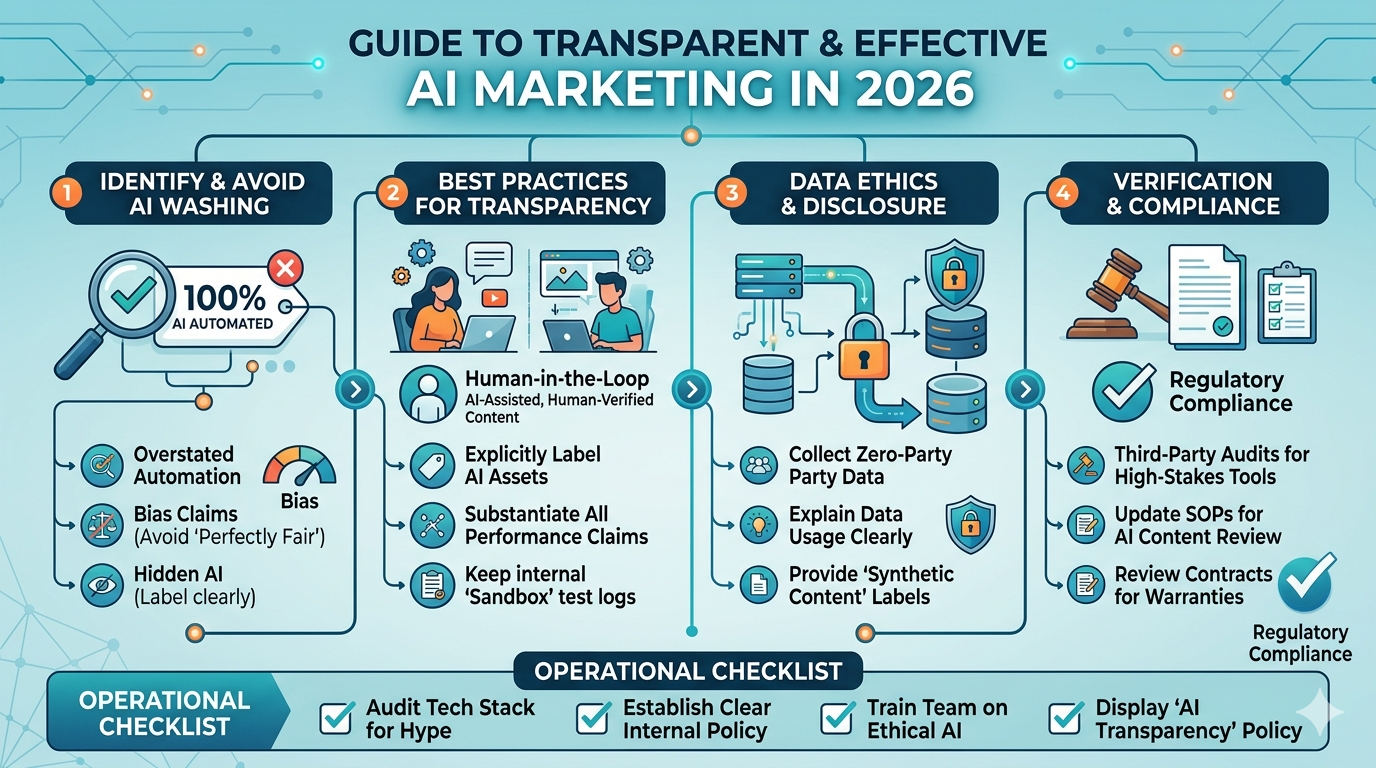
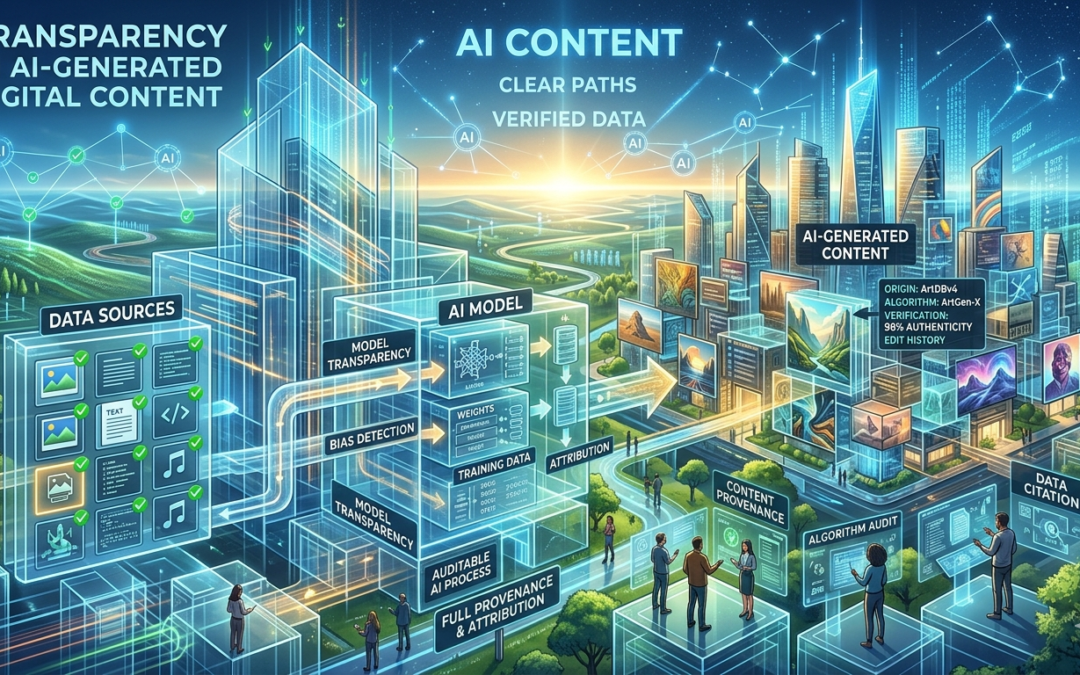
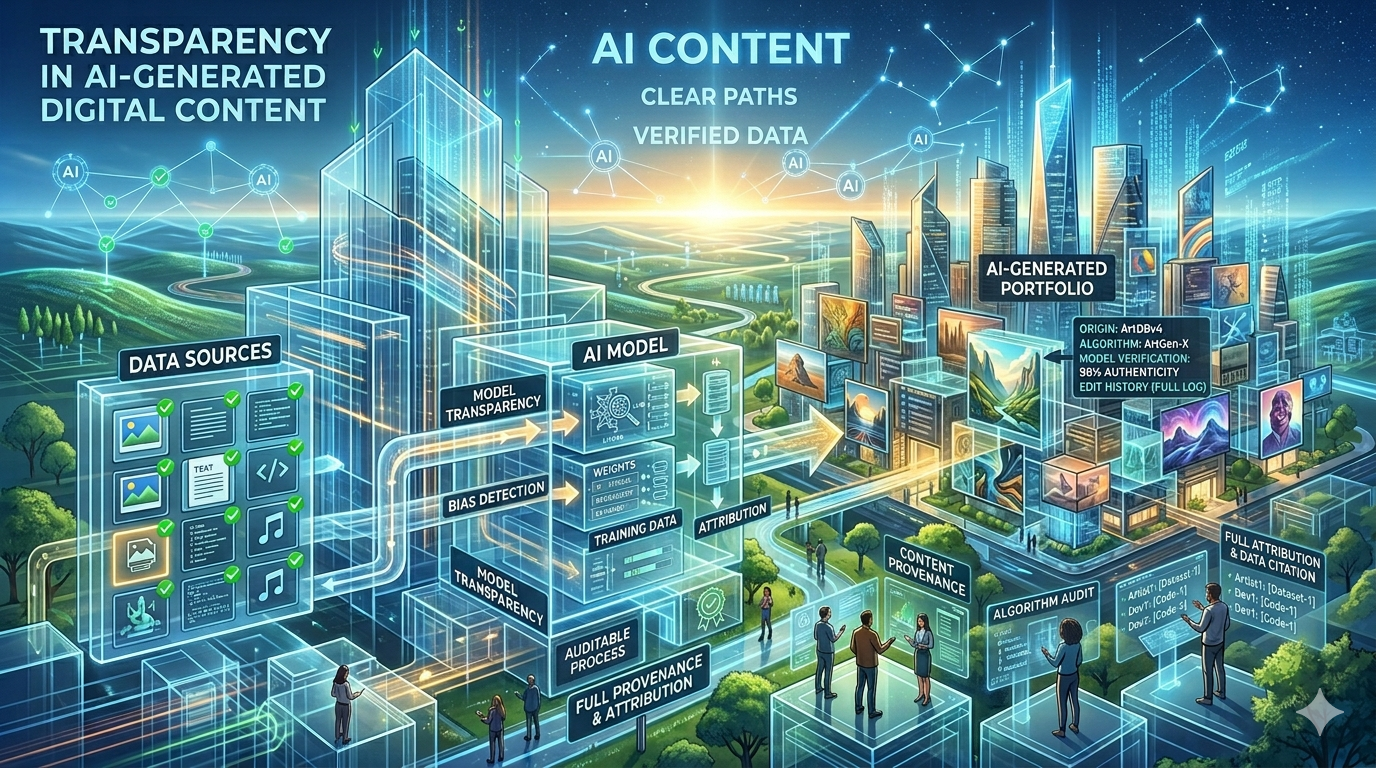
Diagram showing AI content creation flow, labeling indicators, and platform disclosure elements

Infographic illustrating elements of AI-generated content transparency and disclosure


Disclaimer

This content is for general informational and educational purposes only. It does not constitute professional marketing, legal, financial, or business advice. References to digital marketing tools, platforms, SEO strategies, or AI systems do not imply endorsement or guarantee results. Readers are encouraged to consult verified official sources and licensed professionals before making business or marketing decisions.