by villarramil028 | Mar 26, 2026 | Digital Marketing
Understanding Future Considerations for AI Search in 2026
An Educational Overview of Emerging Trends in Search, Data Systems, and AI-Driven Discovery
This article outlines key considerations shaping AI-driven search systems in 2026. It covers developments in search technologies, data usage, algorithm design, and regulatory frameworks. It also explains how global standards and Philippine regulations—such as the Consumer Act of the Philippines (RA 7394) and the Data Privacy Act of 2012 (RA 10173)—relate to evolving search environments. The goal is to provide a factual understanding of how AI search systems operate and what factors influence their development.
Evolution of AI-Integrated Search Systems
Search engines are incorporating AI models that generate direct answers instead of only listing links. These systems combine traditional indexing with machine learning to interpret user queries and produce summaries. Public documentation from search platforms indicates that AI-generated responses may rely on multiple data sources, including indexed web pages and structured datasets.
This shift introduces changes in how information is retrieved, displayed, and attributed. It also raises questions about source transparency and content verification.
Role of Data Quality and Source Evaluation (EEAT Alignment)
AI search systems often assess content based on signals related to experience, expertise, authoritativeness, and trustworthiness (EEAT). These signals may include:
- Content accuracy and clarity
- Source credibility
- Consistency across multiple references
Search systems may prioritize content that demonstrates verifiable information and clear authorship. However, specific ranking mechanisms are not fully disclosed in public documentation.
Answer Engine Optimization (AEO) and Content Structuring
Answer Engine Optimization (AEO) refers to structuring content so it can be interpreted by AI systems that generate summaries or direct responses. This may include:
- Clear headings and factual explanations
- Concise definitions
- Structured formatting (e.g., lists, FAQs)
AEO differs from traditional SEO by focusing on how content is extracted and summarized, rather than only how it ranks in search results.
Privacy and Data Governance Considerations
AI search systems process large volumes of user interaction data. In the Philippines, this is subject to the Data Privacy Act of 2012 (RA 10173), which requires:
- Lawful data collection
- Transparency in data use
- Protection of personal information
Globally, similar frameworks emphasize user consent, data minimization, and secure handling of personal data. Search platforms typically publish privacy policies describing how user data is collected and processed.
Algorithm Transparency and Content Attribution
AI-generated answers may summarize information from multiple sources. This creates considerations around:
- Proper attribution of original content
- Visibility of source links
- Potential loss of direct traffic to content publishers
Some platforms indicate efforts to include citations or references in AI-generated outputs, although implementation varies.
Impact on Digital Advertising Systems
AI search interfaces may change how advertisements are displayed. Instead of traditional keyword-based placements, some systems may integrate contextual or AI-assisted ad delivery.
Advertising practices remain subject to:
- Truth-in-advertising rules under RA 7394
- Platform-specific ad policies
- Global standards on disclosure and non-deceptive marketing
Clear labeling of sponsored content continues to be a regulatory requirement.
Multimodal and Conversational Search Interfaces
AI search systems increasingly support:
- Voice queries
- Image-based search
- Conversational interactions
These interfaces rely on natural language processing and computer vision technologies. Their development affects how users interact with search systems and how content is interpreted.
Risk of Misinformation and Content Validation
AI-generated responses may occasionally produce incomplete or incorrect summaries, depending on training data and context interpretation.
To address this, platforms may:
- Use multiple data sources
- Apply content filtering systems
- Provide source references where available
Users are encouraged to verify information using primary or authoritative sources.
Context
AI search systems are part of a broader shift from keyword-based retrieval to intent-based information delivery. This transition has developed alongside advances in machine learning, natural language processing, and large-scale data systems.
Regulatory bodies in the Philippines, including the Department of Trade and Industry (DTI) and the National Privacy Commission (NPC), provide frameworks that apply to digital platforms, including search and advertising systems.
FAQs
What is AI search?
AI search refers to search systems that use artificial intelligence to interpret queries and generate direct answers or summaries. These systems combine traditional search indexing with machine learning models.
How is AI search different from traditional search engines?
Traditional search engines primarily return lists of links based on keywords. AI search systems may provide synthesized responses using multiple sources, alongside or instead of links.
How does data privacy apply to AI search in the Philippines?
AI search platforms must comply with the Data Privacy Act of 2012 (RA 10173). This includes ensuring lawful data processing, protecting personal information, and maintaining transparency in how data is used.
Trusted Sources
- Google Search Central (Search and AI documentation)
- National Privacy Commission (Philippines)
- Department of Trade and Industry (DTI) Consumer Protection Guidelines
- Official platform privacy policies and advertising standards
- Academic research on AI and information retrieval systems
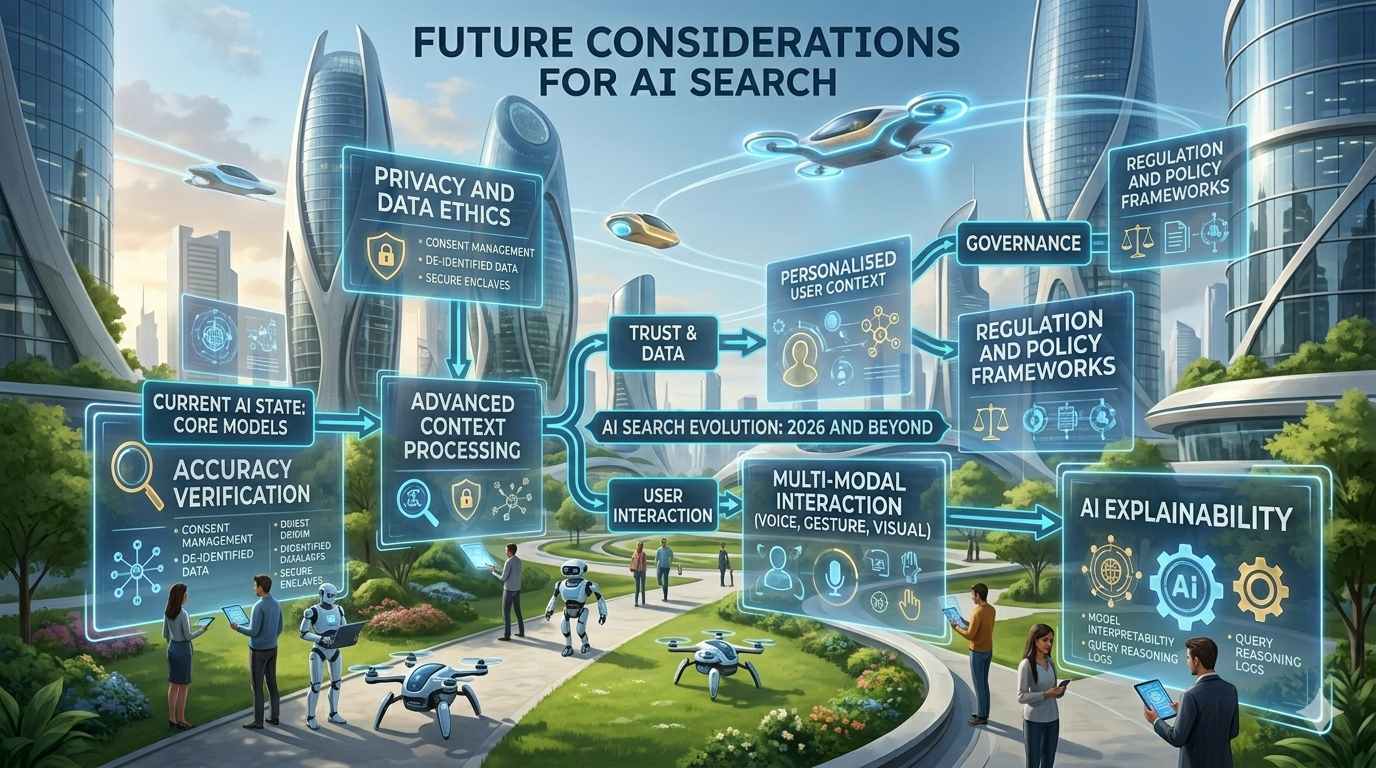
Infographic showing structure of AI search systems and data flow
Disclaimer
This content is for general informational and educational purposes only. It does not constitute professional marketing, legal, financial, or business advice. References to digital marketing tools, platforms, SEO strategies, or AI systems do not imply endorsement or guarantee results. Readers are encouraged to consult verified official sources and licensed professionals before making business or marketing decisions.
by villarramil028 | Mar 26, 2026 | Digital Marketing
Understanding Neutral AI Content for SEO and Growth Marketing
An educational overview of how artificial intelligence is used in search systems and data-driven marketing content.
Neutral AI content refers to informational material generated or assisted by artificial intelligence systems that avoids persuasion, exaggeration, and unverified claims. In the context of search engine optimization (SEO) and growth marketing, this type of content is designed to align with search engine guidelines, consumer protection standards, and data transparency principles.
What Neutral AI Content Means
Neutral AI content focuses on:
- Factual explanations of topics
- Clear definitions and structured information
- Absence of promotional or persuasive language
- Avoidance of guaranteed outcomes or performance claims
This approach supports content reliability when processed by search engines, AI summaries, and automated answer systems.
Role in SEO (Search Engine Optimization)
Search engines evaluate content based on relevance, clarity, and credibility. Neutral AI content may contribute to:
- Content clarity: Structured and concise explanations can improve readability
- Topical consistency: Focused subject matter supports thematic relevance
- EEAT alignment: Content that demonstrates experience, expertise, authoritativeness, and trustworthiness is generally preferred in search systems
Search platforms, according to publicly available documentation, apply automated systems to assess content quality. Neutral language reduces the risk of misinterpretation in AI-generated summaries.
Role in Growth Marketing
Growth marketing involves the use of data to understand user behavior across digital channels. Within this context, neutral AI content may be used for:
- Educational blog articles explaining products or services without promotion
- Knowledge base or help center documentation
- Data-driven reports that describe trends without predictive claims
The purpose is to inform users rather than influence decisions through emotional or persuasive techniques.
AI Systems and Content Generation
AI tools used in content creation typically rely on:
- Natural language processing (NLP)
- Pattern recognition from large datasets
- Predefined prompts or structured inputs
When generating neutral content, these systems are configured to:
- Avoid speculative or unverifiable statements
- Maintain consistency with known guidelines (e.g., search quality documentation)
- Present balanced, context-aware explanations
Data Privacy and Ethical Considerations (Philippines)
Under the Data Privacy Act of 2012 (RA 10173), organizations handling user data for marketing or analytics must:
- Ensure transparency in data collection
- Obtain proper consent where required
- Protect personal data from misuse or unauthorized access
Neutral AI content avoids incorporating personal or sensitive data unless it is anonymized and compliant with applicable regulations.
Evolution of AI in Search and Content
Search engines have evolved from keyword-based indexing to systems that interpret intent and context. AI-assisted summaries and answer engines now extract key information directly from content.
This development increases the importance of:
- Clear factual statements
- Structured formatting
- Reduced ambiguity in language
Neutral AI content is more likely to be accurately represented in automated summaries due to its non-promotional and precise nature.
FAQs
What is neutral AI content?
Neutral AI content is informational material generated with minimal bias, no promotional language, and no unverified claims. It is structured to provide clear and factual explanations.
How does neutral content relate to SEO?
Neutral content may align with search engine quality guidelines by improving clarity, credibility, and consistency. It reduces the likelihood of misinterpretation in automated search summaries.
How does data privacy apply to AI-generated marketing content?
AI-generated content must comply with data protection laws such as RA 10173. This includes responsible handling of personal data, transparency, and adherence to consent requirements.
Trusted Sources
- Google Search Central Documentation
- National Privacy Commission (Philippines)
- Department of Trade and Industry (DTI) – Consumer Protection Guidelines
- Official documentation from major digital advertising platforms
- Academic research on AI and digital marketing practices
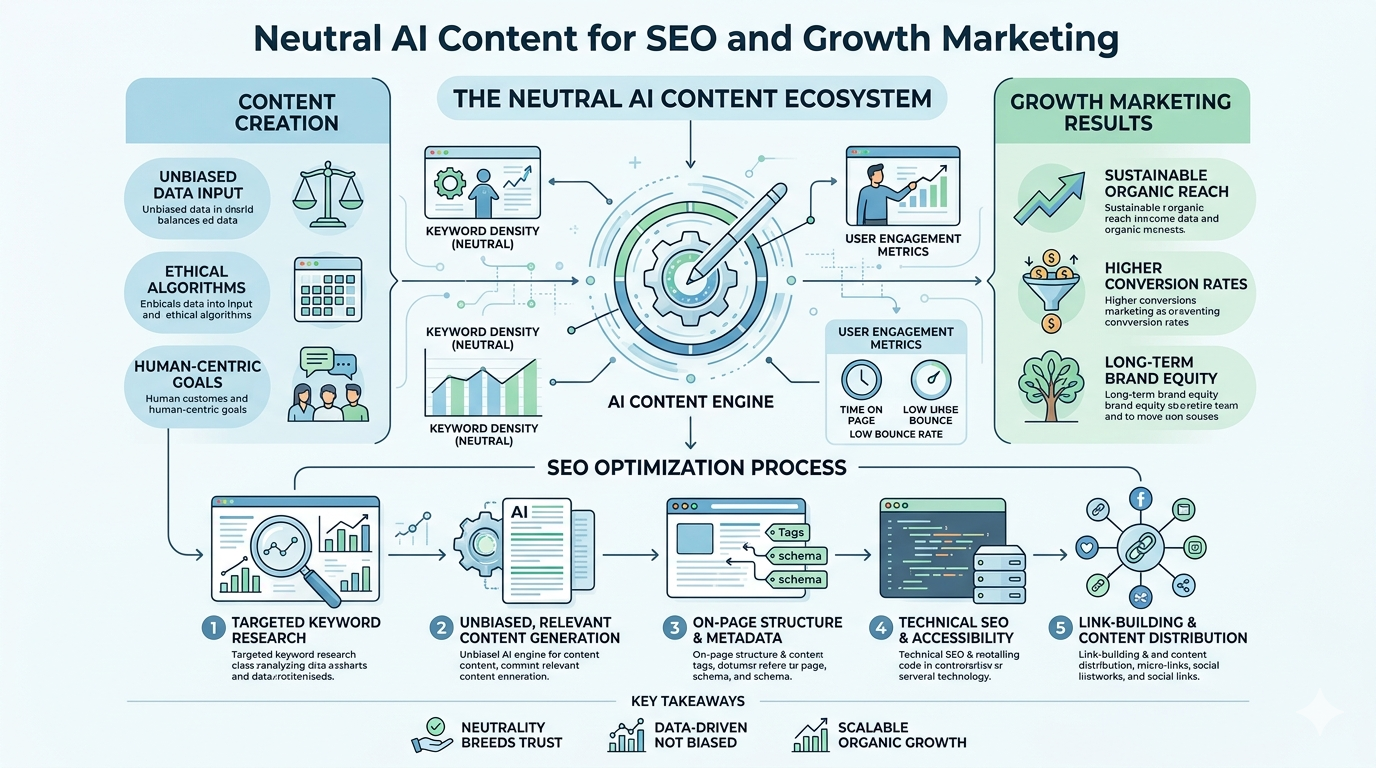
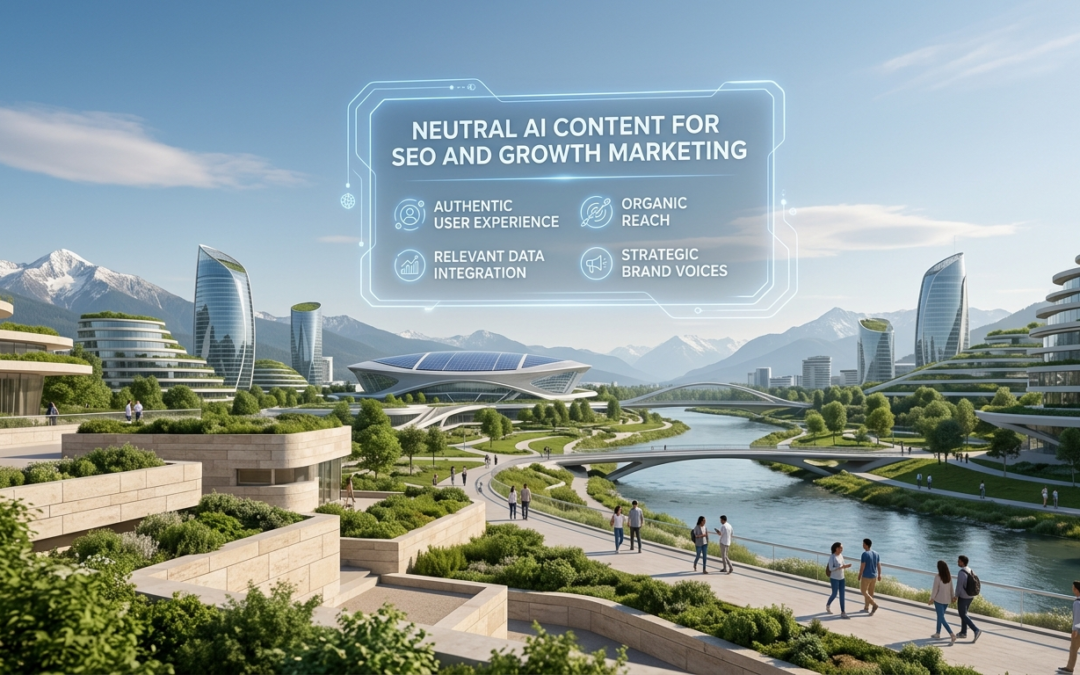
Visual representation of AI content and search system interactions
Disclaimer
This content is for general informational and educational purposes only. It does not constitute professional marketing, legal, financial, or business advice. References to digital marketing tools, platforms, SEO strategies, or AI systems do not imply endorsement or guarantee results. Readers are encouraged to consult verified official sources and licensed professionals before making business or marketing decisions.

by villarramil028 | Mar 24, 2026 | Digital Marketing
Safety Standards for AI Content Publishing
An Educational Overview of Compliance, Transparency, and Consumer Protection in AI-Generated Content
This article explains the safety standards applied to AI-generated content in digital publishing. Specifically, it outlines legal considerations under Philippine regulations, global consumer protection frameworks, and platform-level policies. In addition, it describes how transparency, accuracy, and data protection are addressed in AI-assisted content systems.
Regulatory and Legal Foundations (Philippines)
AI-generated content published in digital environments may fall under several Philippine laws. In particular, these regulations address consumer protection, electronic communications, and data privacy:
- Consumer Protection
The Consumer Act of the Philippines (RA 7394) addresses misleading or deceptive representations in advertising and public communications. In this context, it applies to digital content that may influence consumer understanding.
- Electronic Communications
The E-Commerce Act of 2000 (RA 8792) governs electronic data messages and digital transactions. As a result, it also covers content distributed through online platforms.
- Data Privacy and Processing
The Data Privacy Act of 2012 (RA 10173) regulates the collection, storage, and processing of personal data. Accordingly, AI systems that handle user data must align with principles such as transparency, legitimate purpose, and proportionality.
- Fraud and Misrepresentation
The Revised Penal Code includes provisions related to fraud and false representation. Therefore, misleading AI-generated content may fall under these provisions when applicable.
- Advertising and Trade Regulations
The Department of Trade and Industry (DTI) provides guidelines on fair advertising and consumer protection. Similarly, these guidelines extend to digital marketing and AI-assisted communications.
- Data Protection Oversight
The National Privacy Commission (NPC) enforces compliance with data privacy standards. In practice, this includes obligations for data controllers and processors managing AI-related data.
Global Consumer Protection and Platform Standards
AI content publishing is also influenced by international standards and platform policies. More broadly, these frameworks promote transparency and accountability:
- Transparency and Disclosure
Global guidelines, including those aligned with the Federal Trade Commission (FTC), emphasize clear disclosure when content is generated or assisted by AI. For example, labeling practices may indicate automated involvement.
- Search and Content Quality Systems
Documentation from Google Search Central describes content quality expectations. Notably, these include Experience, Expertise, Authoritativeness, and Trustworthiness (EEAT).
- Ad and Content Policies
Platforms such as Meta Platforms and TikTok maintain public policies governing advertising accuracy and misinformation. In addition, these policies address synthetic media disclosures.
- AI Safety and Risk Mitigation
AI systems are expected to reduce risks related to misinformation, bias, and harmful outputs. To support this, safeguards and human oversight may be implemented where applicable.
Core Safety Principles in AI Content Publishing
Accuracy and Verifiability
Content should be based on verifiable information. If uncertainty exists, it is appropriate to indicate limitations or omit unverified claims.
Non-Deceptive Communication
AI-generated content must avoid misleading representations. In other words, exaggerated claims, fabricated data, or unclear sourcing are excluded.
Transparency of AI Use
Where relevant, content may include disclosures indicating AI assistance. This approach supports user awareness and informed interpretation.
Data Privacy Protection
AI systems must handle personal data in accordance with applicable privacy laws. Consequently, data collection may be limited and processing secured.
Content Moderation and Risk Control
Systems may implement safeguards to reduce harmful or non-compliant outputs. At the same time, monitoring processes may support ongoing compliance.
AI Content and Digital Marketing Context
In digital marketing and SEO environments, AI-generated content interacts with multiple systems. For instance, these include:
- Search Systems (SEO / AEO)
AI-generated pages may be evaluated using ranking systems. In this case, factors such as relevance and trust signals are considered.
- Analytics and Attribution Systems
Data collected from user interactions may be subject to privacy regulations. Additionally, platform-specific policies may apply.
- Ad Platforms and Distribution Channels
AI-generated ad creatives or copy must comply with platform rules. Likewise, disclosure standards may be required.
Context
In the evolution of digital publishing, automated systems have shifted from rule-based generation to machine learning models. Over time, these systems have become capable of producing natural language at scale. As a result, governance frameworks addressing accuracy, transparency, and accountability have increased in importance. Meanwhile, regulatory bodies and technology platforms continue to update policies to reflect these developments.
FAQs
What is AI-generated content?
AI-generated content refers to text, images, or media created using artificial intelligence systems trained on data patterns. In some cases, it may be fully automated, while in others it is assisted by human input.
Why is disclosure important in AI content?
Disclosure helps readers understand how content was created. Furthermore, it supports transparency and aligns with consumer protection standards.
How does data privacy apply to AI publishing?
Data privacy laws regulate how personal information is collected and used. Therefore, AI systems must follow principles such as consent, purpose limitation, and data minimization.
Trusted Sources
- Google Search Central — Search Quality Guidelines and documentation
- National Privacy Commission (Philippines) — Data Privacy Act resources
- Department of Trade and Industry (Philippines) — Consumer protection and advertising guidelines
- Federal Trade Commission — Advertising and disclosure guidelines
- Meta Platforms — Advertising Standards and Transparency documentation
- TikTok — Advertising and Branded Content Policies
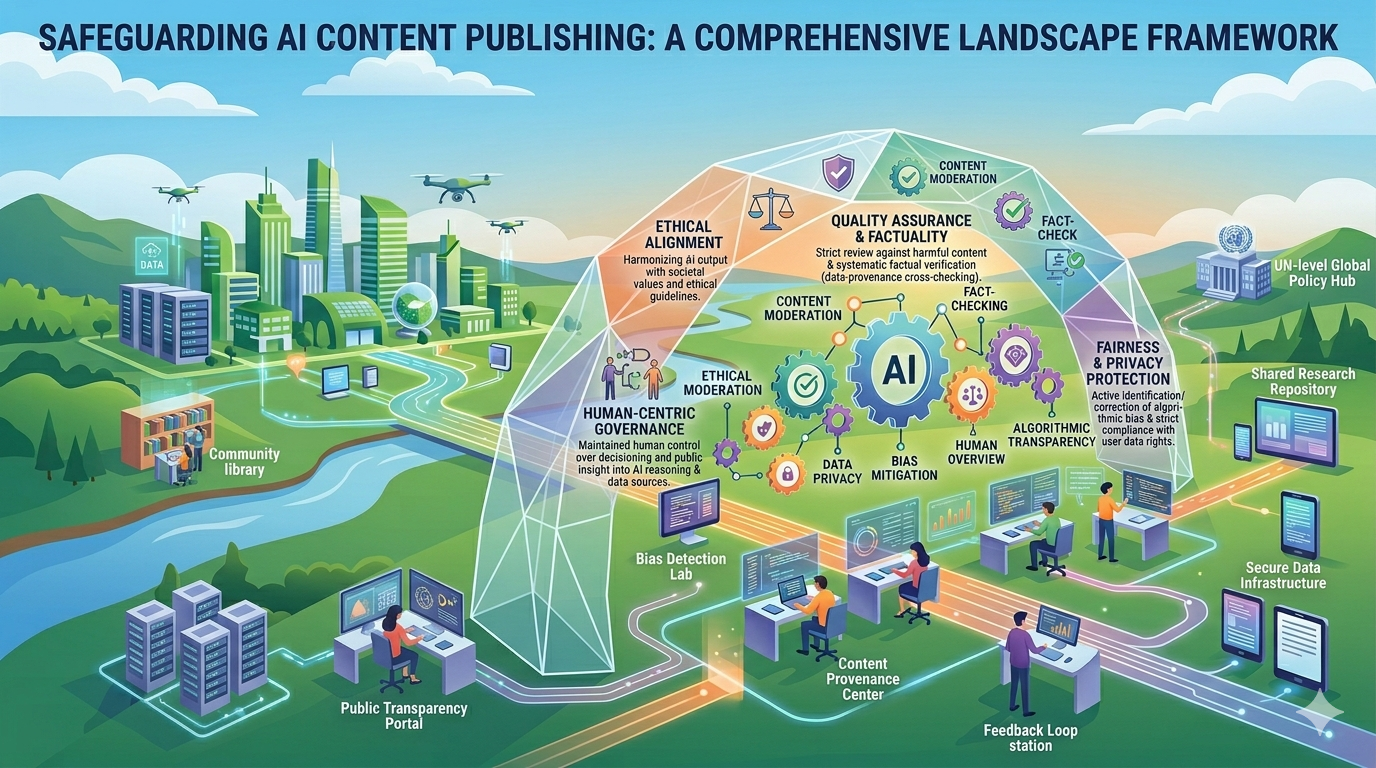
Diagram illustrating components of AI content publishing standards
Disclaimer
This content is for general informational and educational purposes only. It does not constitute professional marketing, legal, financial, or business advice. References to digital marketing tools, platforms, SEO strategies, or AI systems do not imply endorsement or guarantee results. Readers are encouraged to consult verified official sources and licensed professionals before making business or marketing decisions.
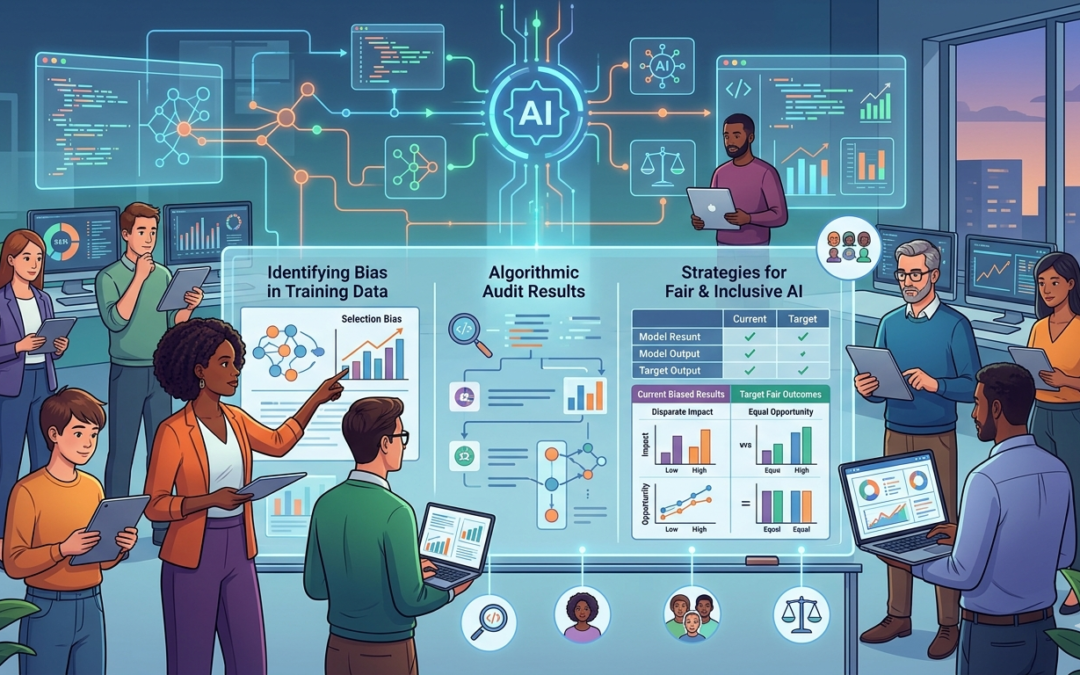
by villarramil028 | Mar 24, 2026 | Digital Marketing
Understanding AI Bias in Marketing Algorithms
An educational overview of how bias can emerge in AI-driven marketing systems and its implications for data, targeting, and compliance
Artificial intelligence (AI) is widely used in digital marketing systems for tasks such as audience targeting, content delivery, and performance optimization. This article explains how bias can emerge in marketing algorithms, how it affects outcomes, and how it relates to consumer protection and data privacy standards, including the Data Privacy Act of 2012 (RA 10173) in the Philippines.
What Is AI Bias?
AI bias refers to systematic patterns in algorithmic outputs that result in uneven or unbalanced outcomes across different groups or contexts. In marketing systems, this can affect:
- Ad delivery distribution
- Audience segmentation
- Content recommendations
- Automated bidding decisions
Bias does not necessarily imply intentional discrimination. It often originates from the data, design, or constraints within the system.
How Bias Enters Marketing Algorithms
Training Data Limitations
AI models are trained on historical data. If that data reflects existing imbalances or incomplete representation, the system may reproduce those patterns.
Example (hypothetical):
If past campaign data shows higher engagement from a specific demographic group, the system may prioritize similar audiences in future delivery.
Feature Selection and Data Inputs
Algorithms rely on selected variables (features) such as location, device type, or behavior patterns. The inclusion or exclusion of certain features can influence outcomes.
Optimization Objectives
Marketing systems are often optimized for measurable signals such as clicks or conversions. These objectives may indirectly favor certain user groups over others depending on behavior patterns.
Feedback Loops
AI systems continuously learn from new data. If early outputs are biased, they may reinforce similar patterns over time through repeated learning cycles.
Types of Bias Observed in Marketing Contexts
Selection Bias
Occurs when the dataset used does not represent the broader population.
Measurement Bias
Arises when collected data does not accurately reflect real-world behavior.
Algorithmic Bias
Results from how the model processes inputs and prioritizes outcomes.
Exposure Bias
Happens when certain content or ads are shown more frequently to specific groups, limiting diversity in reach.
Impact on Digital Marketing Systems
AI bias can influence:
- Which audiences are reached or excluded
- Distribution of advertising impressions
- Visibility of certain products or services
- Interpretation of campaign performance data
These effects are typically indirect and depend on system configuration, data quality, and platform policies.
Regulatory and Ethical Context
Philippine Framework
Under the Data Privacy Act of 2012 (RA 10173):
- Personal data must be processed fairly and lawfully
- Organizations must implement safeguards against misuse of data
- Transparency is required in automated decision-making where applicable
The National Privacy Commission (NPC) provides guidance on responsible data processing, including considerations for automated systems.
Consumer Protection Considerations
The Consumer Act of the Philippines (RA 7394) emphasizes:
- Fair trade practices
- Protection against deceptive or unfair conduct
While AI bias is not always explicitly defined in legislation, its effects may intersect with these principles if outcomes lead to misleading or unfair treatment.
Mitigation Approaches
Organizations may explore methods such as:
- Reviewing and diversifying training datasets
- Monitoring output patterns for inconsistencies
- Conducting periodic audits of algorithmic systems
- Applying fairness-aware modeling techniques
Implementation varies depending on system design and available resources.
AI and Evolving Marketing Systems
As marketing platforms integrate more AI-driven automation, attention to data quality and system transparency has increased. Global discussions on algorithmic accountability, including those influenced by regulatory and academic institutions, continue to shape how bias is evaluated and addressed.
FAQs
What causes bias in marketing algorithms?
Bias can result from training data, system design, and optimization goals. It often reflects patterns present in historical data rather than intentional design choices.
Does AI bias mean a system is inaccurate?
Not necessarily. A system can be technically accurate based on its data while still producing uneven outcomes across different groups.
Is AI bias regulated in the Philippines?
There is no single law specifically addressing AI bias. However, existing laws such as the Data Privacy Act and Consumer Act provide frameworks for fair and lawful data use.
Trusted Sources
- National Privacy Commission (Philippines) guidelines
- Department of Trade and Industry (DTI) consumer protection resources
- Academic research on machine learning fairness and ethics
- Official documentation from digital advertising platforms
- Google Search Central and AI system documentation
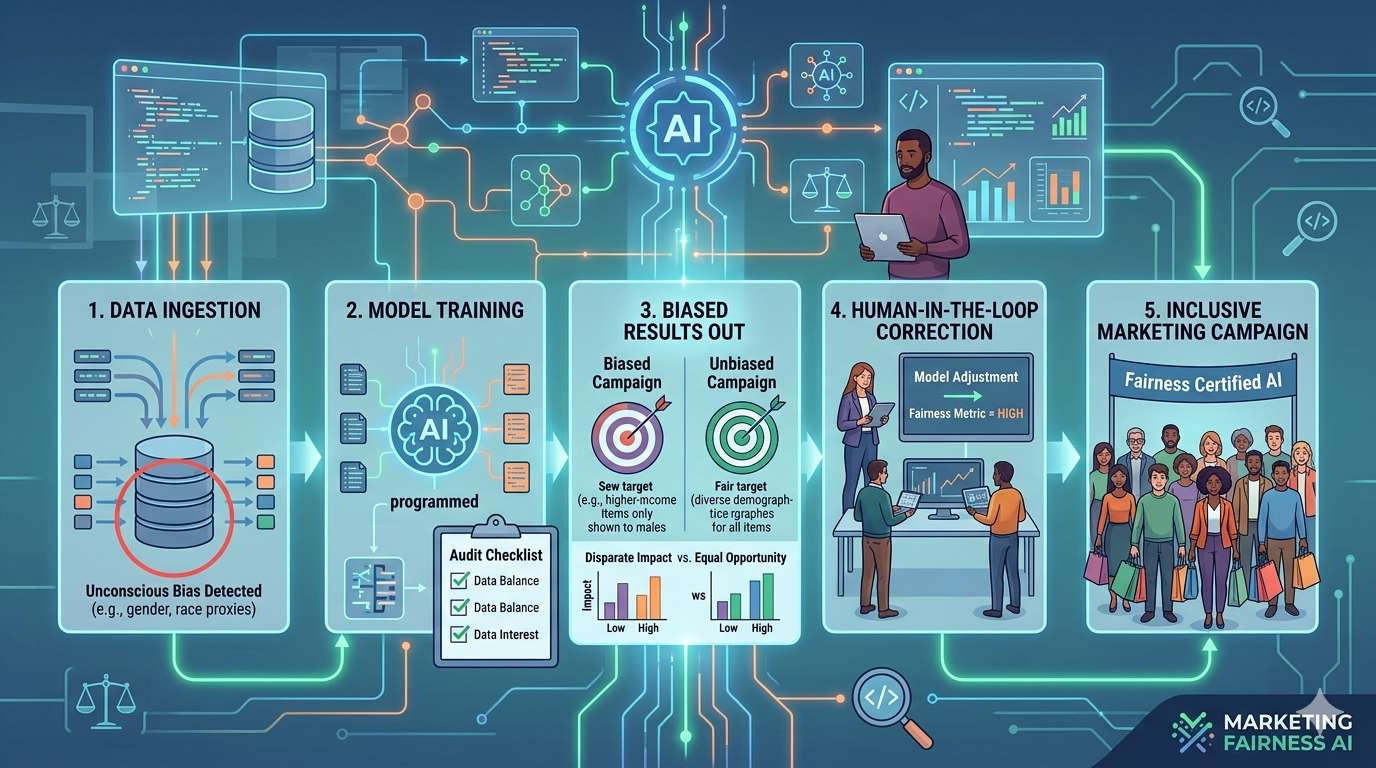
Structured diagram of data flow and algorithm processing stages
Disclaimer
This content is for general informational and educational purposes only. It does not constitute professional marketing, legal, financial, or business advice. References to digital marketing tools, platforms, SEO strategies, or AI systems do not imply endorsement or guarantee results. Readers are encouraged to consult verified official sources and licensed professionals before making business or marketing decisions.

by villarramil028 | Mar 24, 2026 | Digital Marketing
AI Summaries: Maintaining Accuracy Without Hype
An educational overview of how AI-generated summaries present information and the importance of factual consistency
AI-generated summaries are increasingly used in search engines, voice assistants, and content aggregation systems to present concise information from multiple sources. This article explains how AI summaries work, the risks of distortion, and the importance of maintaining accuracy in line with consumer protection standards and platform guidelines.
Understanding AI Summaries
AI summaries are automated outputs generated by machine learning systems that extract and condense information from available data sources. These systems may appear in search result previews, chatbot responses, and voice-based queries.
According to publicly available documentation from platforms such as Google Search Central, summaries are influenced by factors such as:
- Source reliability and content quality
- Clarity and structure of information
- Relevance to user queries
- Contextual understanding by the model
These systems are designed to provide quick answers but may omit nuance or detailed context.
Common Accuracy Risks
AI summaries can introduce unintended issues when processing complex or incomplete information:
Context Loss
Important qualifiers or limitations may be excluded, leading to oversimplified interpretations.
Overgeneralization
Specific cases may be presented as broadly applicable without sufficient evidence.
Outdated Information
If training data or indexed content is not current, summaries may reflect older standards or practices.
Misinterpretation of Tone
Neutral or hypothetical statements may be rephrased in ways that appear definitive.
These risks are relevant under consumer protection frameworks such as the Philippine Consumer Act (RA 7394), which emphasizes accurate and non-misleading information.
Principles for Maintaining Accuracy
To reduce the risk of distortion in AI summaries, content creators and publishers often apply the following practices:
Clear and Literal Language
Use precise wording. Avoid ambiguous phrasing that could be interpreted in multiple ways.
Structured Information
Organize content using headings, short paragraphs, and direct statements to improve machine readability.
Verifiable Statements
Include only information that can be supported by credible, publicly available sources.
Avoidance of Speculative Claims
Do not include assumptions or projections that lack confirmation.
Neutral Tone
Present information without persuasive or emotional framing, aligning with global advertising and transparency standards.
Role of Data Privacy and Compliance
In the Philippines, the National Privacy Commission enforces the Data Privacy Act of 2012 (RA 10173), which applies to how personal data is collected and processed in digital systems, including AI-driven platforms.
AI summaries must avoid:
- Exposure of personal or sensitive data without lawful basis
- Misrepresentation of user-generated or third-party content
- Use of data beyond declared purposes
Compliance with these standards supports responsible information handling and reduces legal risk.
Evolution of AI in Search
Search technologies have evolved from keyword-based indexing to systems that interpret intent and generate synthesized responses. This shift includes the integration of AI-generated summaries within search interfaces.
Under global digital standards, including guidance from entities like Federal Trade Commission, transparency and truthfulness remain central requirements, regardless of whether content is human-written or machine-generated.
FAQs
What are AI summaries in search engines?
AI summaries are condensed explanations generated by machine learning systems using information from multiple sources. They aim to provide quick, relevant answers to user queries.
Why can AI summaries sometimes be inaccurate?
Inaccuracies may occur due to missing context, outdated data, or limitations in how AI systems interpret complex information.
How does data privacy apply to AI-generated summaries?
Data privacy laws require that personal information is handled lawfully and transparently. AI systems must avoid unauthorized use or exposure of sensitive data.
Trusted Sources
- Google Search Central
- National Privacy Commission
- Department of Trade and Industry Philippines
- Federal Trade Commission
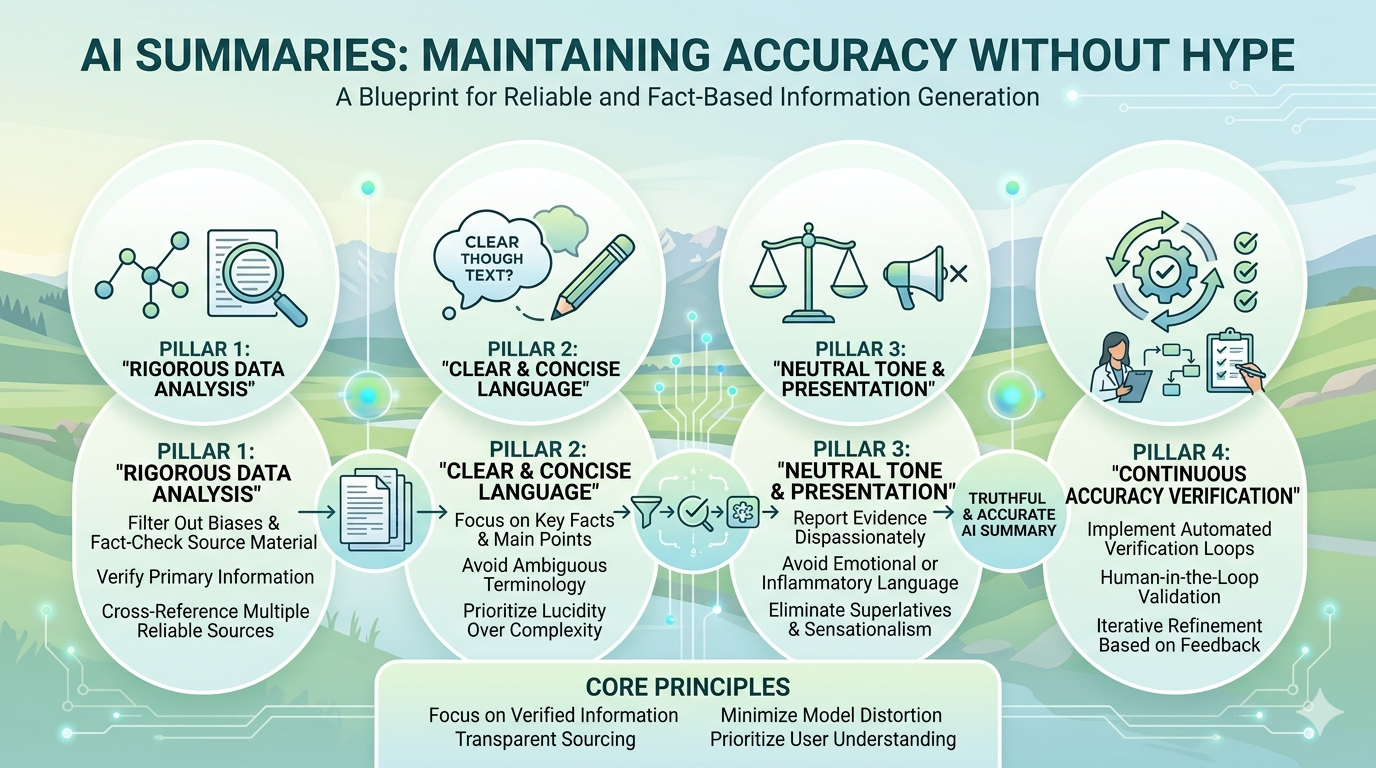
Diagram showing stages of AI summary generation
Disclaimer
This content is for general informational and educational purposes only. It does not constitute professional marketing, legal, financial, or business advice. References to digital marketing tools, platforms, SEO strategies, or AI systems do not imply endorsement or guarantee results. Readers are encouraged to consult verified official sources and licensed professionals before making business or marketing decisions.