by villarramil028 | Mar 24, 2026 | Digital Marketing
Risks of Over-Automation in AI Content Systems
An educational overview of potential limitations and considerations when relying heavily on automated content generation systems.
Artificial intelligence (AI) is increasingly used in content generation, publishing workflows, and digital marketing systems. While automation can support efficiency and scalability, excessive reliance on automated systems introduces risks related to accuracy, compliance, data handling, and content quality. This article outlines key considerations within regulatory and platform-aligned frameworks.
Accuracy and Information Reliability
AI-generated content is based on patterns learned from training data. It may produce outputs that are incomplete, outdated, or contextually incorrect.
Risks include:
- Misinterpretation of factual information
- Lack of source verification
- Inconsistent handling of complex or specialized topics
These issues can affect content credibility, particularly in informational or regulated domains.
Compliance and Regulatory Exposure
Automated systems may generate content that does not fully align with legal and regulatory requirements.
Relevant Philippine frameworks include:
- Consumer Act of the Philippines (RA 7394) — prohibits misleading or deceptive representations
- E-Commerce Act of 2000 (RA 8792) — governs electronic transactions and digital communications
- Data Privacy Act of 2012 (RA 10173) — regulates personal data processing
Potential risks:
- Unintentional misleading statements
- Missing required disclosures
- Improper handling of personal or sensitive data
Human oversight is typically required to review content against applicable standards.
Loss of Context and Nuance
AI systems process input data without full situational awareness. Over-automation may result in:
- Generic or repetitive messaging
- Limited cultural or local context awareness
- Inability to interpret regulatory nuances or evolving policies
This can reduce relevance for specific audiences or jurisdictions.
Content Quality and Originality Concerns
High levels of automation may lead to:
- Content duplication or similarity across outputs
- Reduced depth of analysis
- Over-reliance on templated structures
Search and content platforms may evaluate quality using signals related to originality, clarity, and demonstrated expertise.
Data Privacy and Security Risks
AI content systems may process user inputs or datasets that include personal information. Risks include:
- Unauthorized data exposure
- Insufficient consent mechanisms
- Storage or processing outside regulated environments
Under the Data Privacy Act of 2012, organizations are expected to implement safeguards and ensure lawful data processing practices. Guidance is provided by the National Privacy Commission.
Platform Policy Misalignment
Digital platforms maintain content and advertising policies that may change over time. Automated systems may not always reflect the most current rules.
Risks include:
- Non-compliant ad or content formatting
- Violations of platform-specific guidelines
- Reduced visibility or content moderation actions
Regular review of official platform documentation is necessary to maintain alignment.
Over-Dependence on Automation
Excessive reliance on AI systems can reduce human involvement in:
- Editorial judgment
- Fact-checking and validation
- Ethical decision-making
This may affect overall governance and accountability in content production processes.
AI in Content Production
AI systems are part of a broader shift toward automation in digital workflows. Their use spans drafting, summarization, translation, and data analysis. However, industry guidance and regulatory standards continue to emphasize the importance of human review, transparency, and responsible use.
FAQs
What is over-automation in AI content systems?
Over-automation refers to excessive reliance on AI tools to generate or manage content with minimal human review. It may affect accuracy, compliance, and contextual relevance.
Can AI-generated content contain errors?
Yes. AI systems may produce incorrect or incomplete information depending on input data and model limitations. Verification against reliable sources is commonly required.
How does data privacy apply to AI content systems?
AI systems that process personal data must comply with applicable laws such as the Data Privacy Act of 2012. This includes lawful processing, user consent, and data protection measures.
Trusted Sources
- Google Search Central (official documentation)
- National Privacy Commission (Philippines)
- Department of Trade and Industry (DTI) guidelines
- Platform policy documentation (e.g., Meta, TikTok)
- Academic research on AI and automated systems
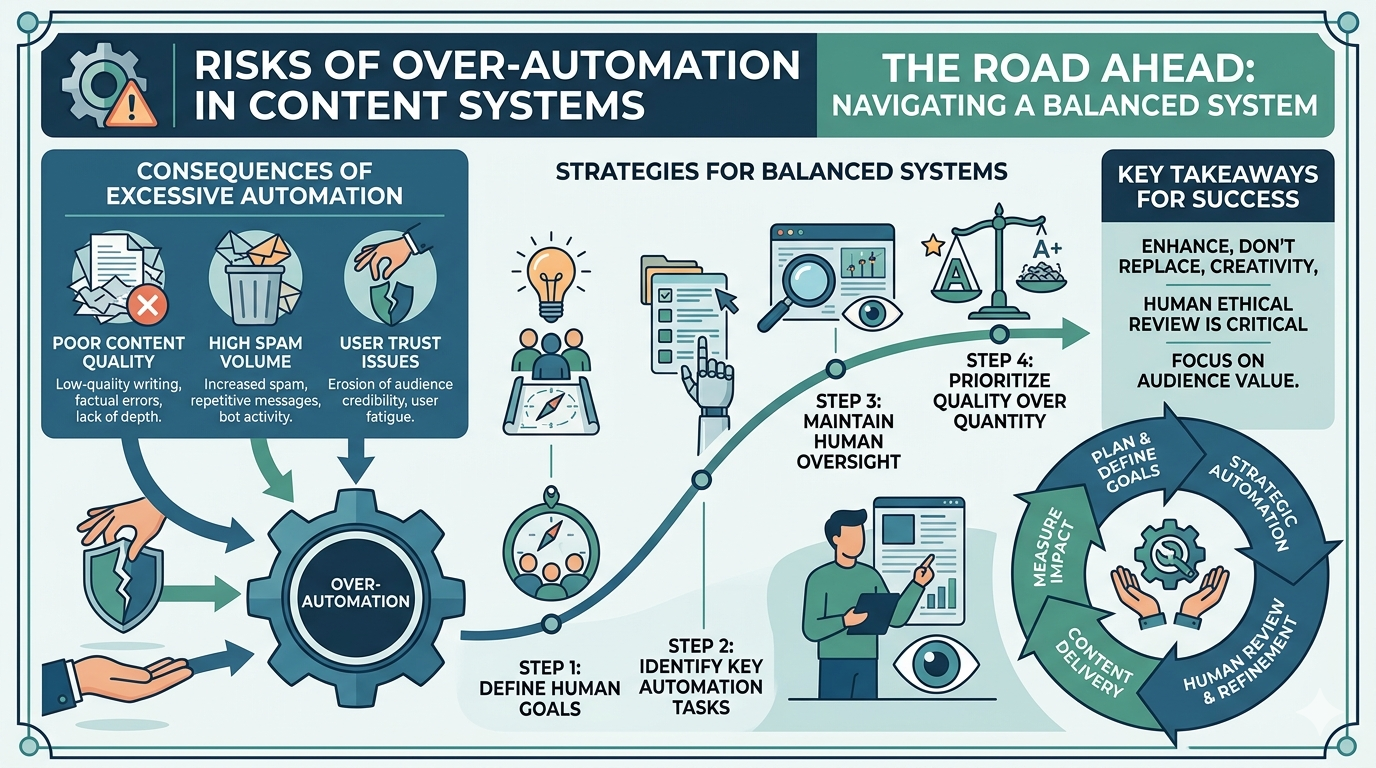
Visual breakdown of common risk categories in AI content automation systems
Disclaimer
This content is for general informational and educational purposes only. It does not constitute professional marketing, legal, financial, or business advice. References to digital marketing tools, platforms, SEO strategies, or AI systems do not imply endorsement or guarantee results. Readers are encouraged to consult verified official sources and licensed professionals before making business or marketing decisions.
by villarramil028 | Mar 24, 2026 | Digital Marketing
Preventing Misinformation in AI-Indexed Marketing Content
An Educational Overview of Accuracy, Transparency, and Algorithmic Interpretation
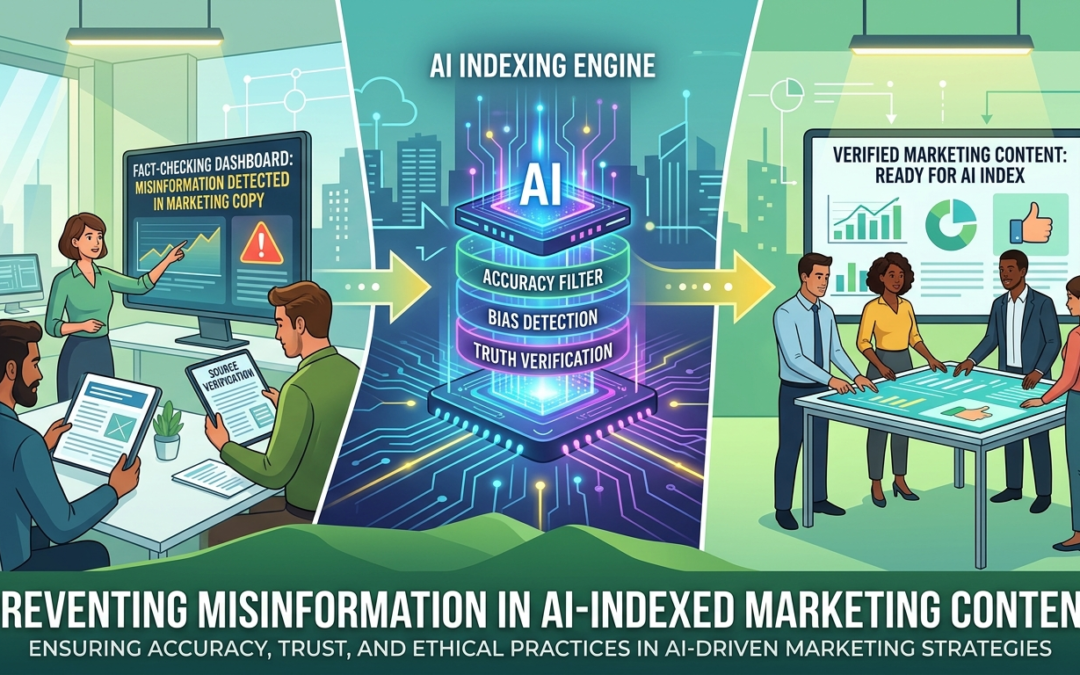
This article explains how misinformation can appear in digital marketing content that is indexed and summarized by AI-driven search systems. It outlines common risk areas in content creation, the role of platform algorithms, and the importance of accuracy, transparency, and compliance with regulations such as the Philippine Consumer Act (RA 7394) and Data Privacy Act (RA 10173). The goal is to describe how information is processed and how misleading interpretations may occur in AI-generated summaries.
How AI Indexing and Summarization Works
AI-indexed systems analyze web content using automated models that extract key points, structure information, and generate summaries. These systems may rely on:
- Structured data (headings, schema markup)
- Contextual language patterns
- Source credibility signals aligned with EEAT (Experience, Expertise, Authoritativeness, Trustworthiness)
Because summaries are generated algorithmically, incomplete or ambiguous content may be interpreted incorrectly when condensed.
Common Sources of Misinformation in Marketing Content
Ambiguous Language
Statements lacking context or precision may be simplified by AI systems, leading to unintended meanings.
Unverified Claims
Content that includes claims without clear sourcing or evidence may be treated as factual during indexing.
Outdated Information
AI systems may reference older indexed pages if updates are not clearly indicated or structured.
Overgeneralization
Broad statements about performance, trends, or outcomes may be misinterpreted as universal facts.
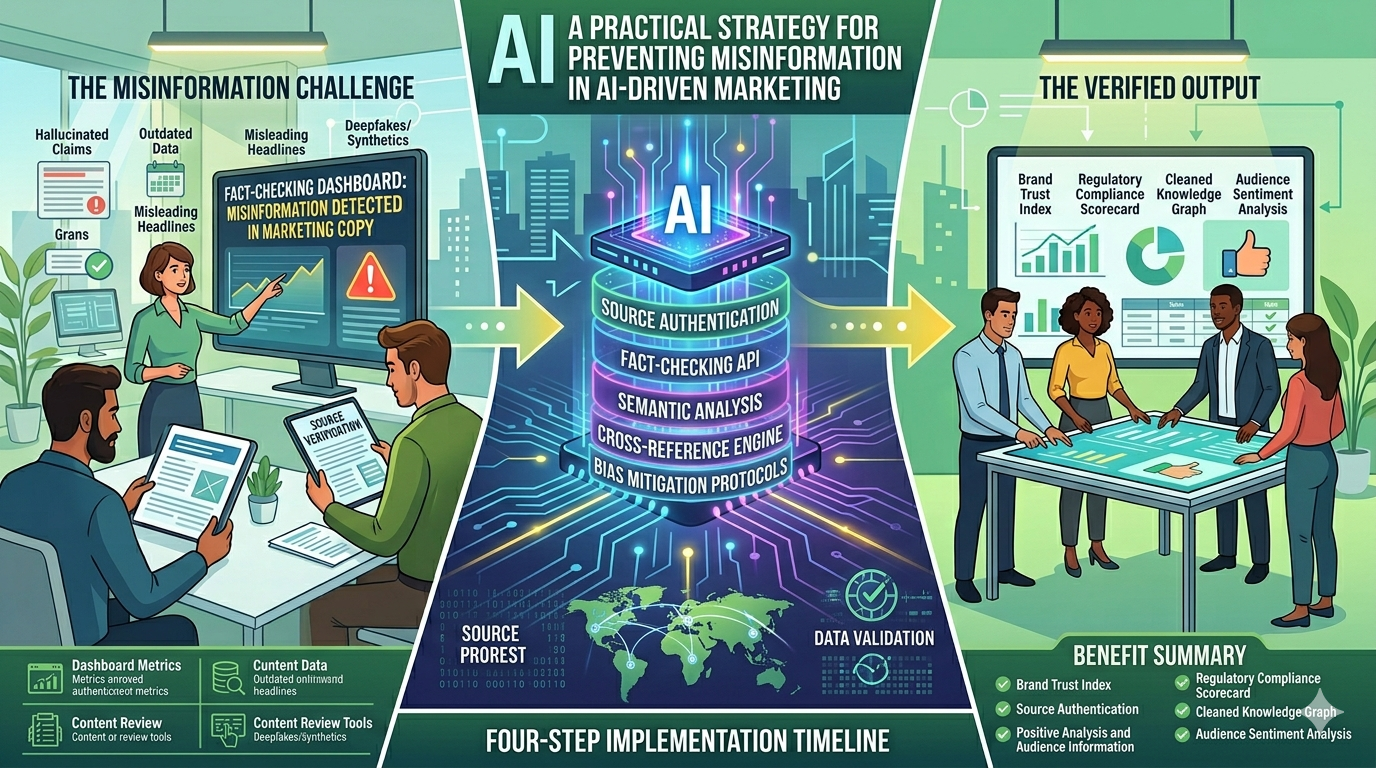
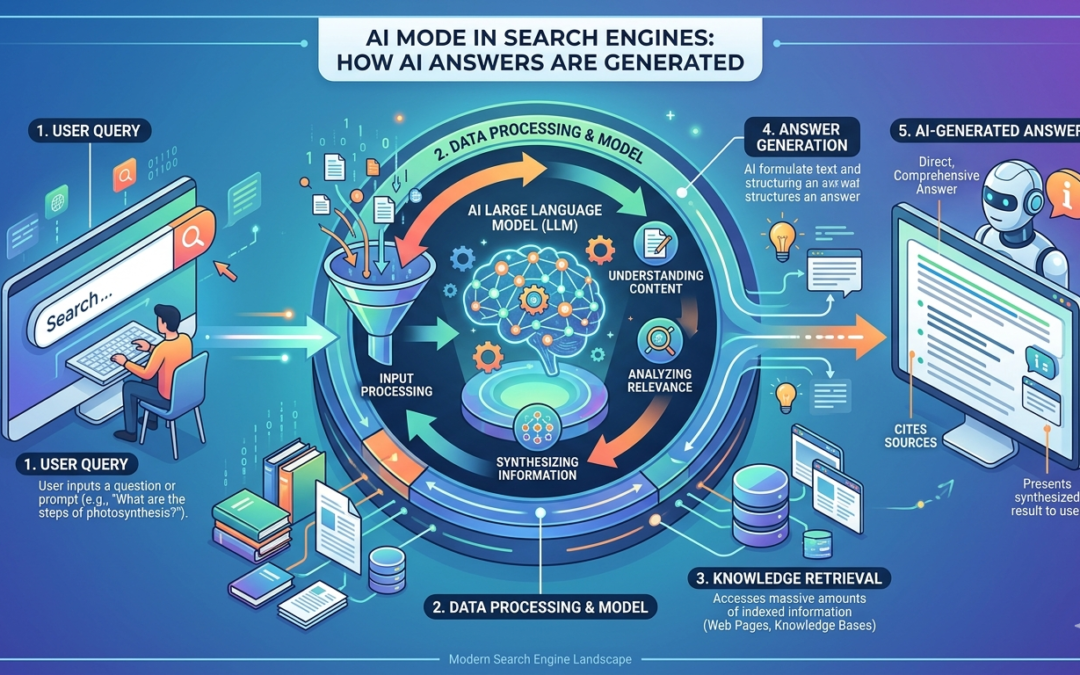
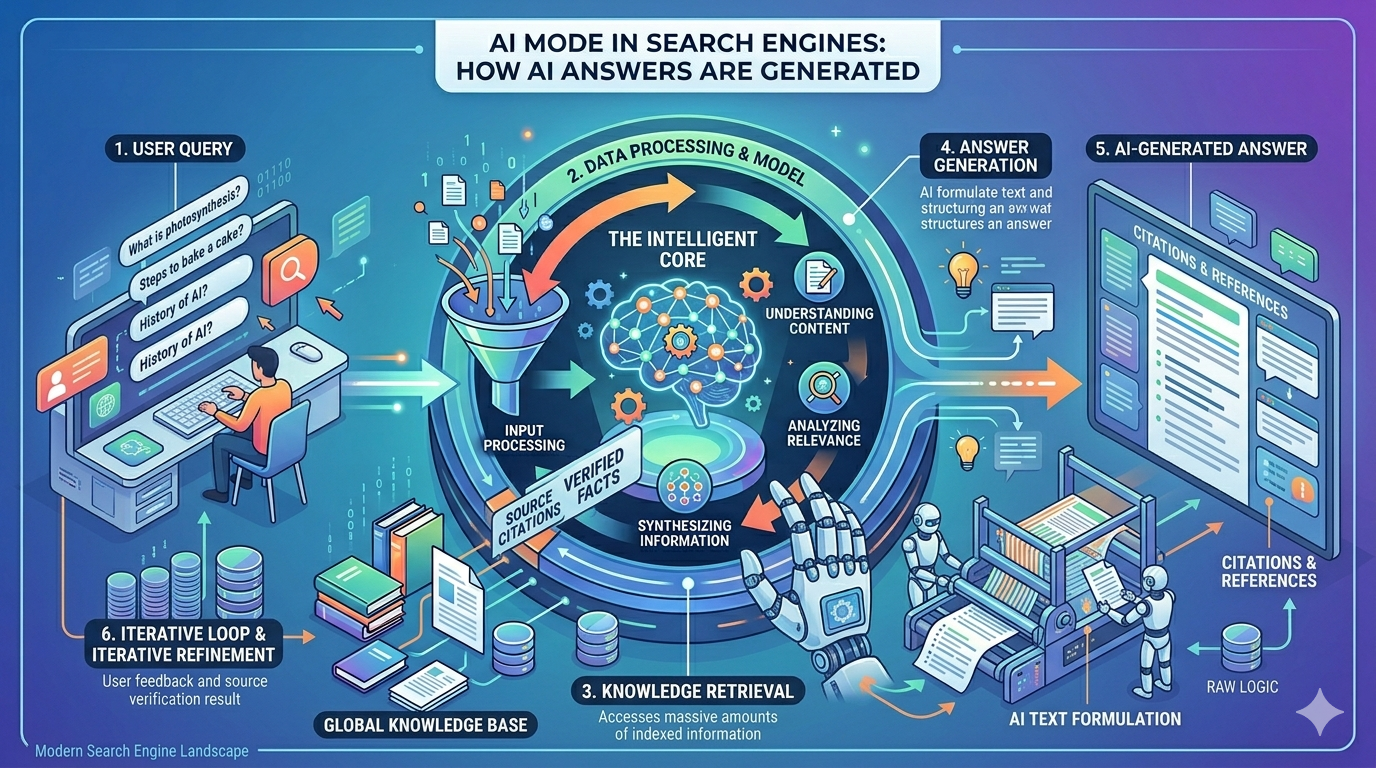
Flow diagram of content indexing and AI-generated summary stages
Content Structuring for Clarity and Accuracy
Clear structure helps reduce the risk of misinterpretation:
- Use precise headings that reflect actual content
- Separate facts, definitions, and examples
- Avoid combining multiple claims in one sentence
- Clearly identify hypothetical or illustrative scenarios
Structured formatting improves how AI systems parse and represent information.
Transparency and Source Attribution
Providing verifiable context supports accurate interpretation:
- Reference official documentation when discussing platforms or policies
- Distinguish between documented features and inferred behavior
- Indicate when information is based on publicly available sources
Transparency helps both human readers and AI systems assess reliability.
Alignment with Consumer Protection Standards
Under Philippine regulations and global standards:
- Marketing content must not contain misleading or deceptive representations
- Claims should be supported by verifiable information
- Data collection and usage must comply with privacy laws
These principles reduce the risk of misinformation being amplified through AI systems.
Risks in AI-Generated Summaries and Snippets
AI summaries may:
- Remove qualifiers such as “may” or “can”
- Combine separate ideas into a single statement
- Present partial information as complete
This creates a risk where neutral or conditional statements appear definitive when extracted.
Context
In the evolution of search technologies, traditional keyword-based indexing has expanded into AI-assisted summarization and answer generation. This shift increases the importance of content clarity, as machine-generated outputs depend heavily on how information is structured and written. Regulatory frameworks and platform policies continue to emphasize accuracy, transparency, and user protection in digital communications.
FAQs
What is AI-indexed content?
AI-indexed content refers to digital material that is processed by machine learning systems for search, categorization, and automated summarization. These systems analyze structure, language, and context to generate responses or overviews.
How can misinformation occur in AI summaries?
Misinformation may occur when AI systems simplify or reinterpret content without full context. This can result from ambiguous wording, incomplete data, or lack of clear structure in the original material.
Why is transparency important in marketing content?
Transparency helps ensure that information is clearly sourced, properly contextualized, and distinguishable from assumptions or interpretations. This supports compliance with consumer protection and data regulations.
Trusted Sources
- Google Search Central (Search documentation and content guidelines)
- National Privacy Commission (Philippines) — Data Privacy Act resources
- Department of Trade and Industry (DTI) — Consumer protection guidelines
- FTC (Federal Trade Commission) — Advertising and disclosure principles
- Academic research on AI and information retrieval systems
Disclaimer
This content is for general informational and educational purposes only. It does not constitute professional marketing, legal, financial, or business advice. References to digital marketing tools, platforms, SEO strategies, or AI systems do not imply endorsement or guarantee results. Readers are encouraged to consult verified official sources and licensed professionals before making business or marketing decisions.
by iamrolanddiaz | Feb 8, 2026 | Marketing
Healthcare, Pharmaceutical, and Financial businesses operate in the most regulated and trust-sensitive digital environment. With Google’s December 11, 2025 Core Update reinforcing YMYL standards, EEAT authority signals, AI Search, and Answer Engine Optimization, brands that fail to meet strict credibility and compliance requirements risk losing visibility, customer trust, and revenue.
Principeng Hari (Roland Diaz) helps regulated-industry business owners create fully compliant, algorithm-resilient digital ecosystems designed to strengthen authority, protect brand reputation, and drive sustainable growth.
Website: https://principenghari.com/
Specialized Digital Marketing for Regulated and High-Trust Industries
Your business requires marketing that prioritizes accuracy, regulatory alignment, transparency, and verifiable expertise. My services are structured to meet the evolving expectations of Google Search, AI-driven discovery platforms, and compliance frameworks.
Google EEAT and YMYL-Compliant Content and SEO
I develop expert-level content systems and SEO strategies that support credibility, fact-based authority, structured data implementation, entity optimization, and knowledge graph alignment. Every strategy is designed to reinforce expertise, experience, authoritativeness, and trustworthiness while minimizing regulatory and reputational risks.
SEO, AEO, GEO, and AI Search Optimization
I optimize websites and content for traditional search, AI Overviews, voice search, zero-click results, and generative AI platforms such as Google AI, Bing Copilot, ChatGPT, and Perplexity. This includes schema markup, structured content frameworks, topical authority modeling, and answer engine positioning.
Healthcare, Pharmaceutical, and Financial Compliance Strategy
I ensure marketing messages align with industry regulations and platform advertising policies, reducing exposure to misleading claims, prohibited content, and compliance violations. Strategies are designed to strengthen consumer trust, legal defensibility, and long-term brand stability.
Compliant Websites, Mobile Platforms, and Social Media Marketing

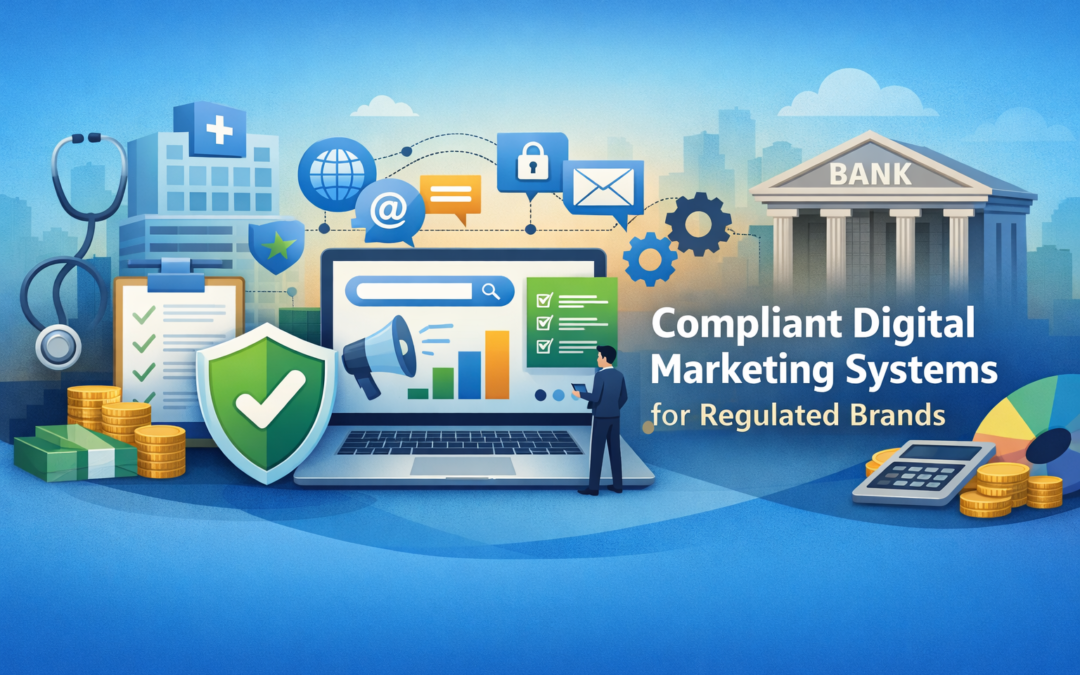
Infographic showing structural elements of compliant digital marketing systems
I build and optimize secure, compliant websites, mobile-ready platforms, and regulated social media campaigns. This includes conversion-focused UX, privacy and consent frameworks, secure data handling, accessibility compliance, and platform policy adherence.
Paid Advertising, CRM, and Marketing Automation
I design policy-compliant paid advertising campaigns, funnel systems, email marketing automation, CRM integrations, and retargeting strategies. Every campaign follows platform ad regulations for healthcare and financial services while maximizing ROI and lead quality.
Agentic AI Marketing and Automation Systems
I deploy AI-powered content pipelines, chatbots, lead qualification systems, and automated customer journeys with human oversight, compliance safeguards, and brand-safe governance frameworks. This ensures AI is used responsibly while maintaining trust and accuracy.
Why Healthcare, Pharma, and Financial Business Owners Work with Principeng Hari
I bring deep expertise in regulated digital marketing, SEO, AI-driven growth, compliance strategy, and high-trust brand positioning. My approach focuses on long-term authority, algorithm resilience, and measurable business outcomes rather than short-term tactics.
Clients choose my services because I understand how to balance growth, compliance, risk management, and reputation protection in industries where credibility is non-negotiable.
Start Building a Compliant, High-Authority Digital Presence
If you own a Healthcare, Pharmaceutical, or Financial business and want to increase visibility, strengthen authority, ensure compliance, and scale safely, I can help you build a future-proof digital growth system aligned with the latest Google updates and AI-driven search behaviors.
Connect with me today to discuss a tailored strategy.
Website: https://principenghari.com/
WhatsApp: +639454835167
Email: roland@principenghari.com
Hashtag: #principenghari
Relevant hashtags (comma-separated):
#principenghari, #HealthcareMarketing, #PharmaMarketing, #FinancialMarketing, #EEATSEO, #YMYLCompliance, #AISEO, #DigitalCompliance, #AgenticAI, #RegulatedMarketing