Safety Standards for AI Content Publishing
An Educational Overview of Compliance, Transparency, and Consumer Protection in AI-Generated Content
This article explains the safety standards applied to AI-generated content in digital publishing. Specifically, it outlines legal considerations under Philippine regulations, global consumer protection frameworks, and platform-level policies. In addition, it describes how transparency, accuracy, and data protection are addressed in AI-assisted content systems.
Regulatory and Legal Foundations (Philippines)
AI-generated content published in digital environments may fall under several Philippine laws. In particular, these regulations address consumer protection, electronic communications, and data privacy:
- Consumer Protection
The Consumer Act of the Philippines (RA 7394) addresses misleading or deceptive representations in advertising and public communications. In this context, it applies to digital content that may influence consumer understanding. - Electronic Communications
The E-Commerce Act of 2000 (RA 8792) governs electronic data messages and digital transactions. As a result, it also covers content distributed through online platforms. - Data Privacy and Processing
The Data Privacy Act of 2012 (RA 10173) regulates the collection, storage, and processing of personal data. Accordingly, AI systems that handle user data must align with principles such as transparency, legitimate purpose, and proportionality. - Fraud and Misrepresentation
The Revised Penal Code includes provisions related to fraud and false representation. Therefore, misleading AI-generated content may fall under these provisions when applicable. - Advertising and Trade Regulations
The Department of Trade and Industry (DTI) provides guidelines on fair advertising and consumer protection. Similarly, these guidelines extend to digital marketing and AI-assisted communications. - Data Protection Oversight
The National Privacy Commission (NPC) enforces compliance with data privacy standards. In practice, this includes obligations for data controllers and processors managing AI-related data.
Global Consumer Protection and Platform Standards
AI content publishing is also influenced by international standards and platform policies. More broadly, these frameworks promote transparency and accountability:
- Transparency and Disclosure
Global guidelines, including those aligned with the Federal Trade Commission (FTC), emphasize clear disclosure when content is generated or assisted by AI. For example, labeling practices may indicate automated involvement. - Search and Content Quality Systems
Documentation from Google Search Central describes content quality expectations. Notably, these include Experience, Expertise, Authoritativeness, and Trustworthiness (EEAT). - Ad and Content Policies
Platforms such as Meta Platforms and TikTok maintain public policies governing advertising accuracy and misinformation. In addition, these policies address synthetic media disclosures. - AI Safety and Risk Mitigation
AI systems are expected to reduce risks related to misinformation, bias, and harmful outputs. To support this, safeguards and human oversight may be implemented where applicable.
Core Safety Principles in AI Content Publishing
Accuracy and Verifiability
Content should be based on verifiable information. If uncertainty exists, it is appropriate to indicate limitations or omit unverified claims.
Non-Deceptive Communication
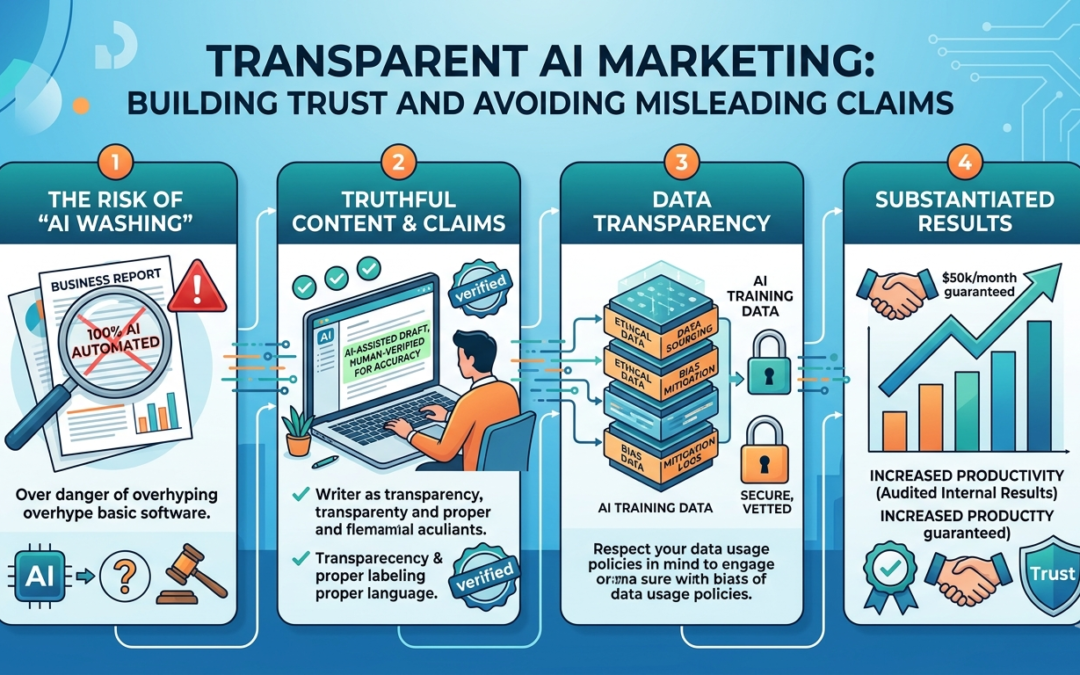
AI-generated content must avoid misleading representations. In other words, exaggerated claims, fabricated data, or unclear sourcing are excluded.
Transparency of AI Use
Where relevant, content may include disclosures indicating AI assistance. This approach supports user awareness and informed interpretation.
Data Privacy Protection
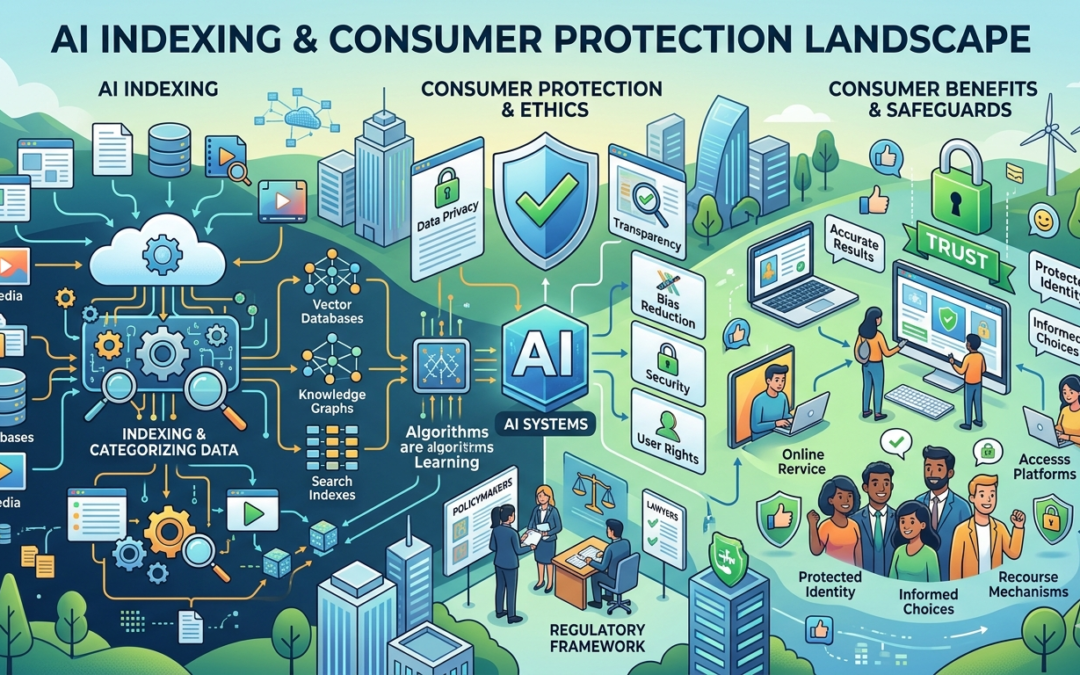
AI systems must handle personal data in accordance with applicable privacy laws. Consequently, data collection may be limited and processing secured.
Content Moderation and Risk Control
Systems may implement safeguards to reduce harmful or non-compliant outputs. At the same time, monitoring processes may support ongoing compliance.
AI Content and Digital Marketing Context
In digital marketing and SEO environments, AI-generated content interacts with multiple systems. For instance, these include:
- Search Systems (SEO / AEO)
AI-generated pages may be evaluated using ranking systems. In this case, factors such as relevance and trust signals are considered. - Analytics and Attribution Systems
Data collected from user interactions may be subject to privacy regulations. Additionally, platform-specific policies may apply. - Ad Platforms and Distribution Channels
AI-generated ad creatives or copy must comply with platform rules. Likewise, disclosure standards may be required.
Context
In the evolution of digital publishing, automated systems have shifted from rule-based generation to machine learning models. Over time, these systems have become capable of producing natural language at scale. As a result, governance frameworks addressing accuracy, transparency, and accountability have increased in importance. Meanwhile, regulatory bodies and technology platforms continue to update policies to reflect these developments.
FAQs
What is AI-generated content?
AI-generated content refers to text, images, or media created using artificial intelligence systems trained on data patterns. In some cases, it may be fully automated, while in others it is assisted by human input.
Why is disclosure important in AI content?
Disclosure helps readers understand how content was created. Furthermore, it supports transparency and aligns with consumer protection standards.
How does data privacy apply to AI publishing?
Data privacy laws regulate how personal information is collected and used. Therefore, AI systems must follow principles such as consent, purpose limitation, and data minimization.
Trusted Sources
- Google Search Central — Search Quality Guidelines and documentation
- National Privacy Commission (Philippines) — Data Privacy Act resources
- Department of Trade and Industry (Philippines) — Consumer protection and advertising guidelines
- Federal Trade Commission — Advertising and disclosure guidelines
- Meta Platforms — Advertising Standards and Transparency documentation
- TikTok — Advertising and Branded Content Policies
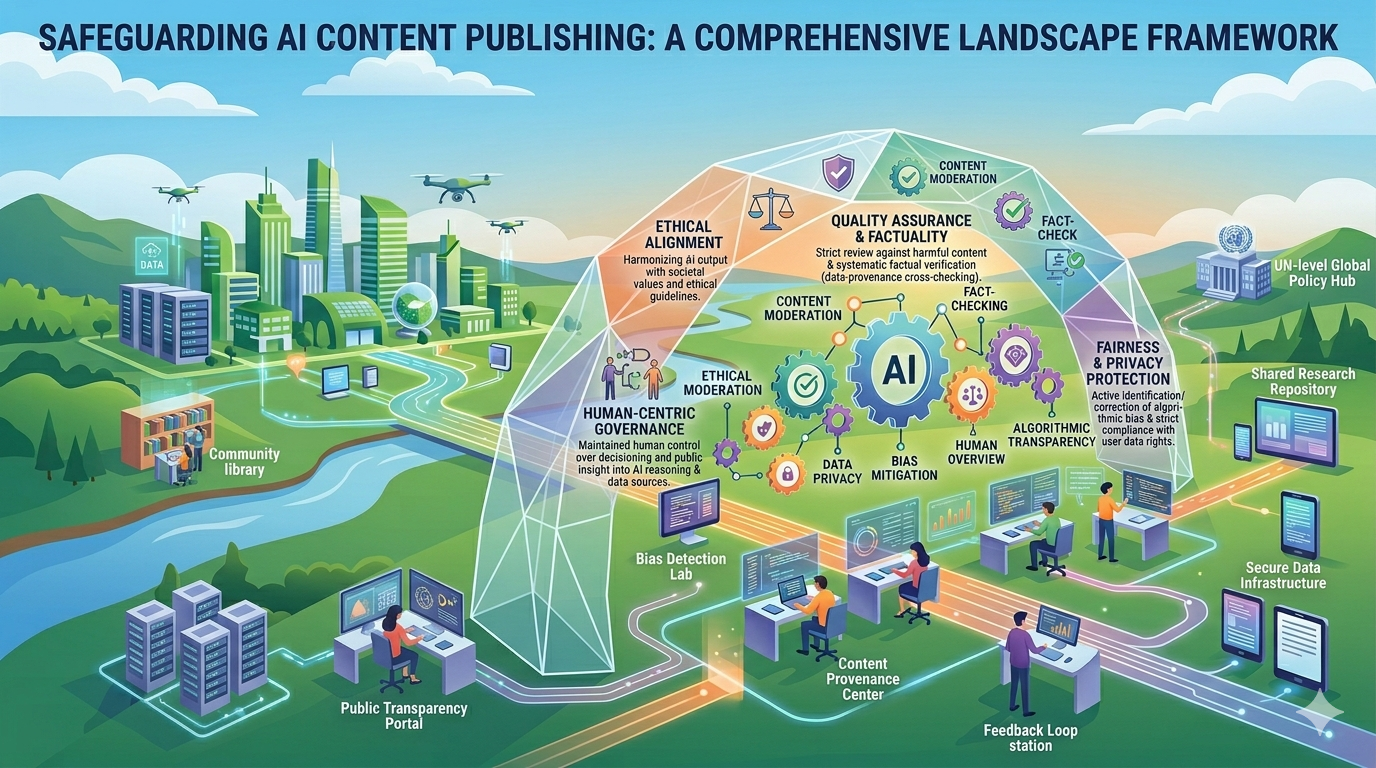
Diagram illustrating components of AI content publishing standards
Disclaimer
This content is for general informational and educational purposes only. It does not constitute professional marketing, legal, financial, or business advice. References to digital marketing tools, platforms, SEO strategies, or AI systems do not imply endorsement or guarantee results. Readers are encouraged to consult verified official sources and licensed professionals before making business or marketing decisions.