Understanding Future Considerations for AI Search in 2026
An Educational Overview of Emerging Trends in Search, Data Systems, and AI-Driven Discovery
This article outlines key considerations shaping AI-driven search systems in 2026. It covers developments in search technologies, data usage, algorithm design, and regulatory frameworks. It also explains how global standards and Philippine regulations—such as the Consumer Act of the Philippines (RA 7394) and the Data Privacy Act of 2012 (RA 10173)—relate to evolving search environments. The goal is to provide a factual understanding of how AI search systems operate and what factors influence their development.
Evolution of AI-Integrated Search Systems
Search engines are incorporating AI models that generate direct answers instead of only listing links. These systems combine traditional indexing with machine learning to interpret user queries and produce summaries. Public documentation from search platforms indicates that AI-generated responses may rely on multiple data sources, including indexed web pages and structured datasets.
This shift introduces changes in how information is retrieved, displayed, and attributed. It also raises questions about source transparency and content verification.
Role of Data Quality and Source Evaluation (EEAT Alignment)
AI search systems often assess content based on signals related to experience, expertise, authoritativeness, and trustworthiness (EEAT). These signals may include:
- Content accuracy and clarity
- Source credibility
- Consistency across multiple references
Search systems may prioritize content that demonstrates verifiable information and clear authorship. However, specific ranking mechanisms are not fully disclosed in public documentation.
Answer Engine Optimization (AEO) and Content Structuring
Answer Engine Optimization (AEO) refers to structuring content so it can be interpreted by AI systems that generate summaries or direct responses. This may include:
- Clear headings and factual explanations
- Concise definitions
- Structured formatting (e.g., lists, FAQs)
AEO differs from traditional SEO by focusing on how content is extracted and summarized, rather than only how it ranks in search results.
Privacy and Data Governance Considerations
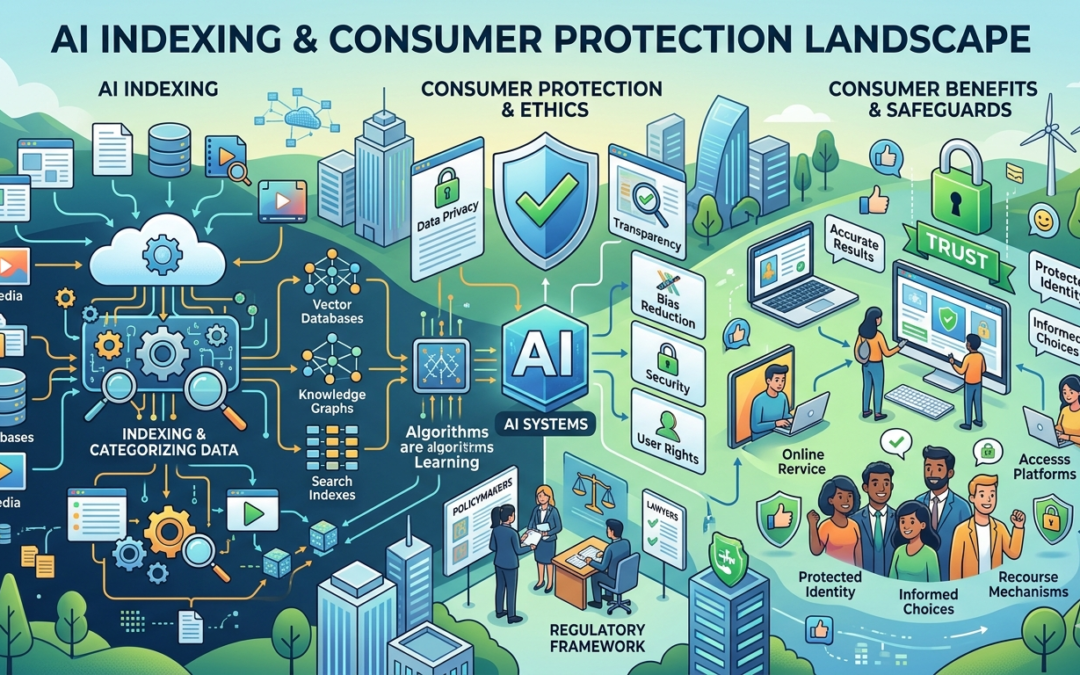
AI search systems process large volumes of user interaction data. In the Philippines, this is subject to the Data Privacy Act of 2012 (RA 10173), which requires:
- Lawful data collection
- Transparency in data use
- Protection of personal information
Globally, similar frameworks emphasize user consent, data minimization, and secure handling of personal data. Search platforms typically publish privacy policies describing how user data is collected and processed.
Algorithm Transparency and Content Attribution
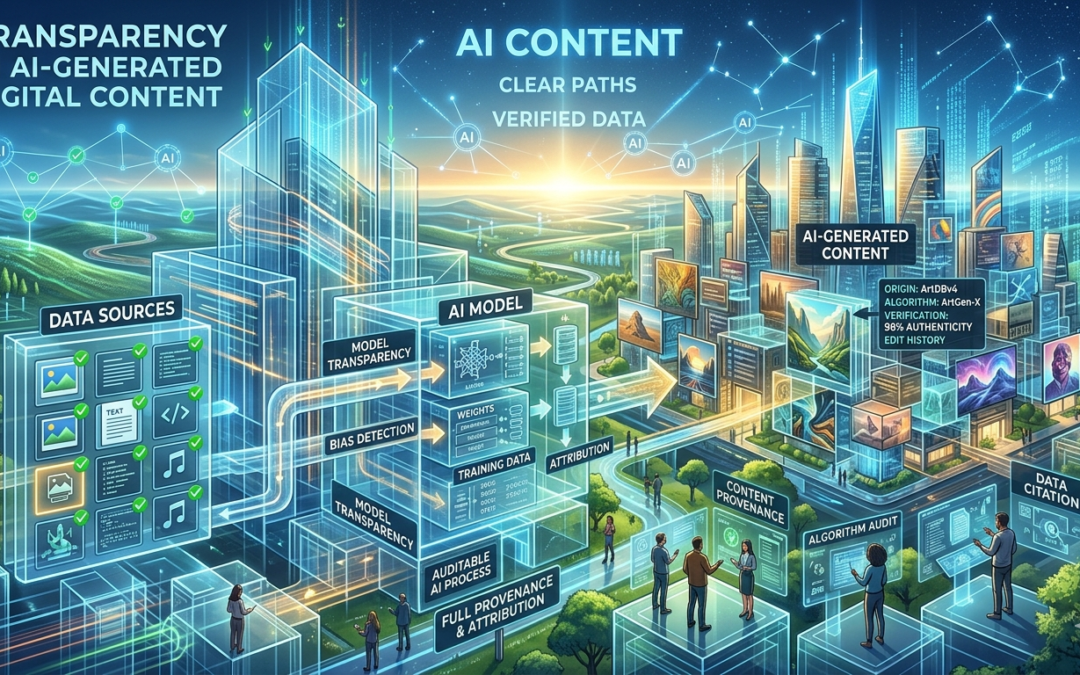
AI-generated answers may summarize information from multiple sources. This creates considerations around:
- Proper attribution of original content
- Visibility of source links
- Potential loss of direct traffic to content publishers
Some platforms indicate efforts to include citations or references in AI-generated outputs, although implementation varies.
Impact on Digital Advertising Systems
AI search interfaces may change how advertisements are displayed. Instead of traditional keyword-based placements, some systems may integrate contextual or AI-assisted ad delivery.
Advertising practices remain subject to:
- Truth-in-advertising rules under RA 7394
- Platform-specific ad policies
- Global standards on disclosure and non-deceptive marketing
Clear labeling of sponsored content continues to be a regulatory requirement.
Multimodal and Conversational Search Interfaces
AI search systems increasingly support:
- Voice queries
- Image-based search
- Conversational interactions
These interfaces rely on natural language processing and computer vision technologies. Their development affects how users interact with search systems and how content is interpreted.
Risk of Misinformation and Content Validation
AI-generated responses may occasionally produce incomplete or incorrect summaries, depending on training data and context interpretation.
To address this, platforms may:
- Use multiple data sources
- Apply content filtering systems
- Provide source references where available
Users are encouraged to verify information using primary or authoritative sources.
Context
AI search systems are part of a broader shift from keyword-based retrieval to intent-based information delivery. This transition has developed alongside advances in machine learning, natural language processing, and large-scale data systems.
Regulatory bodies in the Philippines, including the Department of Trade and Industry (DTI) and the National Privacy Commission (NPC), provide frameworks that apply to digital platforms, including search and advertising systems.
FAQs
What is AI search?
AI search refers to search systems that use artificial intelligence to interpret queries and generate direct answers or summaries. These systems combine traditional search indexing with machine learning models.
How is AI search different from traditional search engines?
Traditional search engines primarily return lists of links based on keywords. AI search systems may provide synthesized responses using multiple sources, alongside or instead of links.
How does data privacy apply to AI search in the Philippines?
AI search platforms must comply with the Data Privacy Act of 2012 (RA 10173). This includes ensuring lawful data processing, protecting personal information, and maintaining transparency in how data is used.
Trusted Sources
- Google Search Central (Search and AI documentation)
- National Privacy Commission (Philippines)
- Department of Trade and Industry (DTI) Consumer Protection Guidelines
- Official platform privacy policies and advertising standards
- Academic research on AI and information retrieval systems
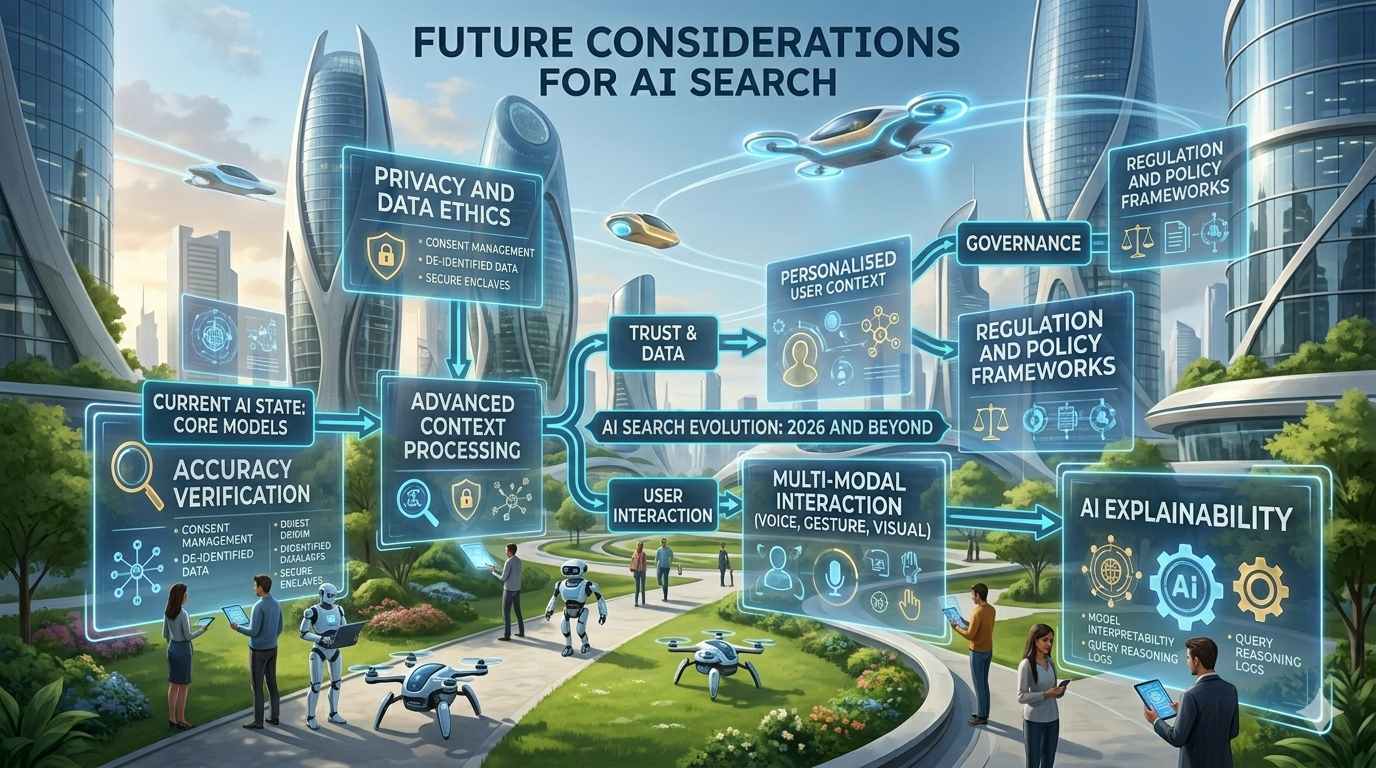
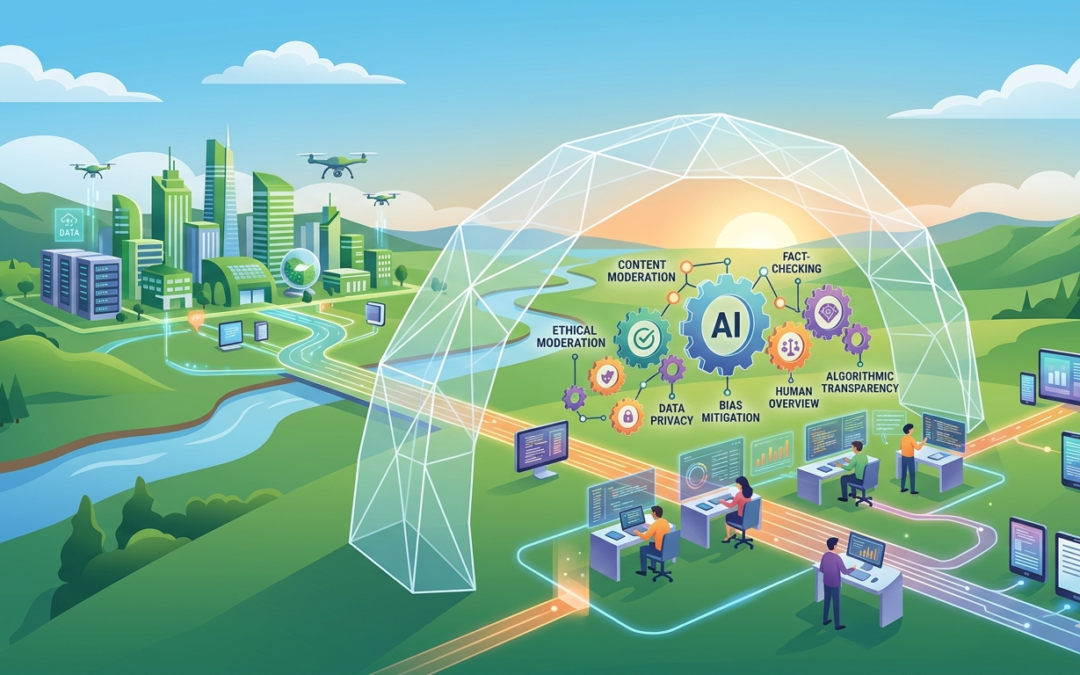
Infographic showing structure of AI search systems and data flow
Disclaimer
This content is for general informational and educational purposes only. It does not constitute professional marketing, legal, financial, or business advice. References to digital marketing tools, platforms, SEO strategies, or AI systems do not imply endorsement or guarantee results. Readers are encouraged to consult verified official sources and licensed professionals before making business or marketing decisions.