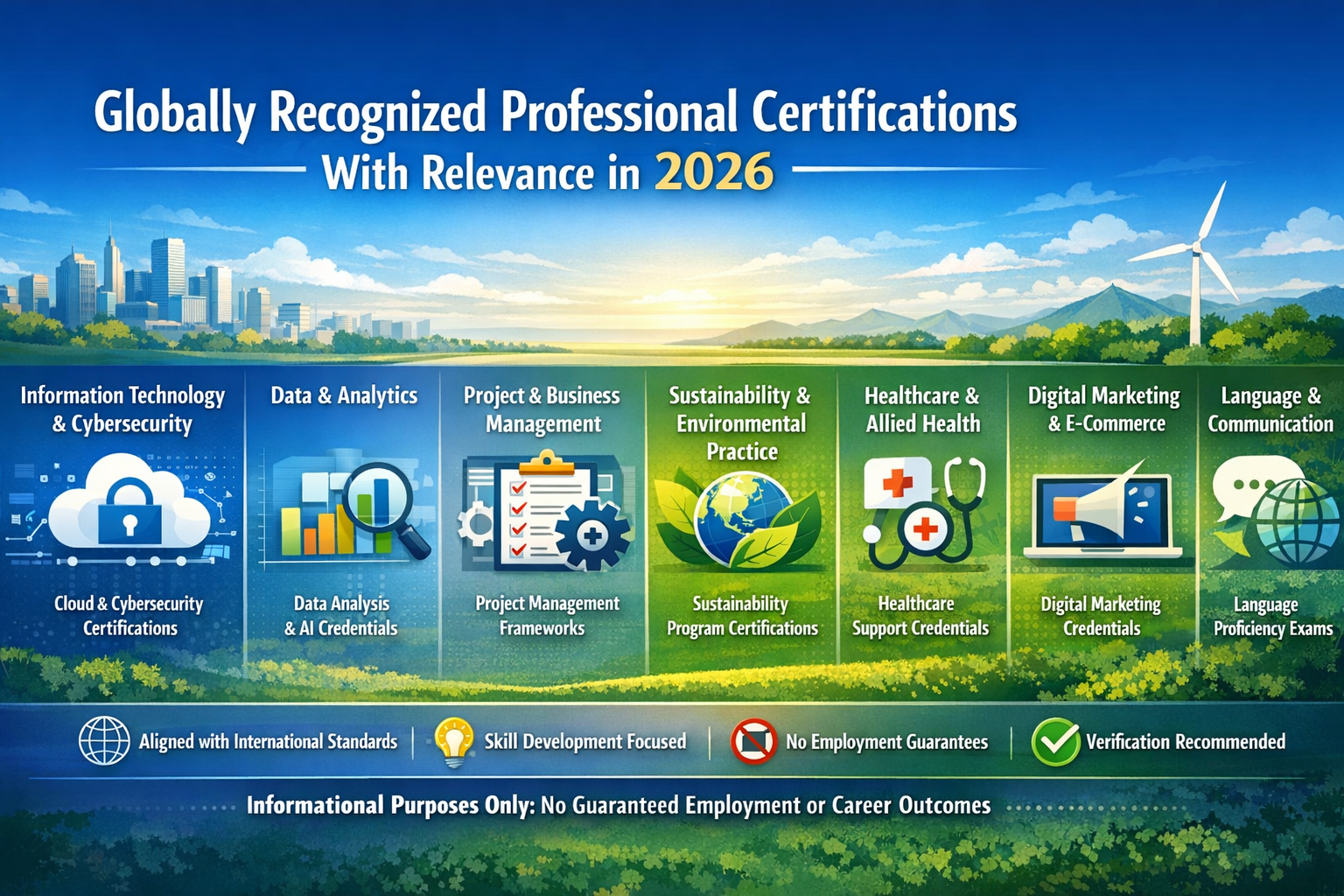
A neutral overview of certification categories and examples that align with evolving workforce needs.
This article provides an informational overview of professional certifications that are widely discussed in workforce development research and industry competency frameworks. It highlights certification areas associated with skill development, emerging labor market relevance, and internationally recognized standardization bodies. Content is presented without guarantees of employment or income outcomes.
Information Technology and Cybersecurity
Examples
-
Cloud certifications from major cloud providers (e.g., foundational and associate levels)
-
Cybersecurity fundamentals and specialized pathways
-
IT service management frameworks
Context:
Cloud computing and cybersecurity skills continue to be part of global digital infrastructure trends noted in workforce studies. Industry certification programs in these domains often reflect vendor technologies or widely referenced frameworks. Certifications in this category typically aim to demonstrate understanding of specific technical domains and standardized practices.
Data and Analytics
Examples
-
Data analysis and visualization certifications
-
Data management and governance credentials
-
Foundations of machine learning and AI literacy programs
Context:
Professionals in fields that interact with large data sets may pursue structured credentialing to align with standardized knowledge bases. These programs are often framed around core competencies rather than employment guarantees.
Project and Business Management
Examples
-
Framework-based project management certifications
-
Business analysis credentials
-
Agile and iterative methodologies
Context:
Standardized project and business management frameworks are referenced in organizational productivity and process optimization guidelines. Many certifications in this space align with widely adopted frameworks and aim to signal structured understanding of methodologies.
Digital Marketing and E-Commerce
Examples
-
Search marketing and digital strategy principles
-
Analytics tracking and measurement credentials
-
E-commerce operations foundations
Context:
Digital strategy and analytics are core components of many organizational outreach and commerce activities. Credentialing programs exist to support structured learning in these areas and may align with industry-accepted knowledge domains.
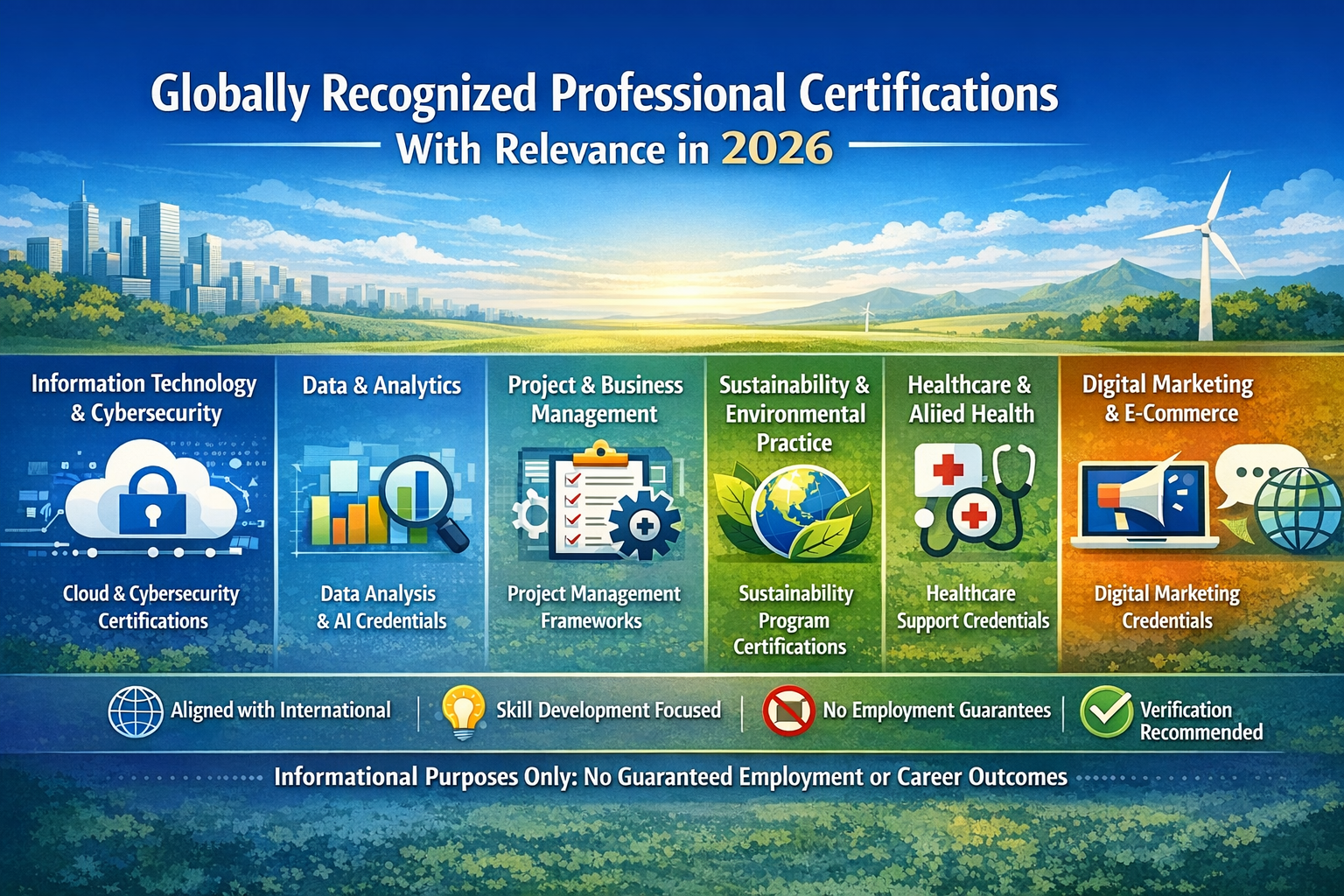
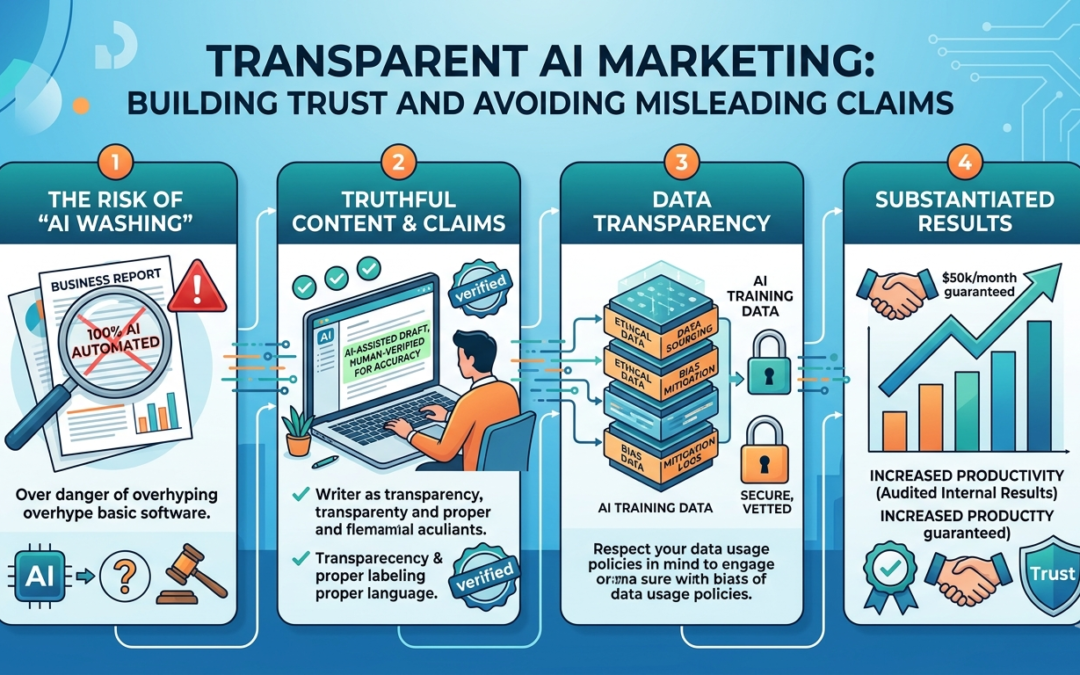
Infographic outlining widely recognized certification categories across industries in 2026.
Healthcare and Allied Health Support
Examples
-
Foundational credentials in health informatics
-
Patient care support certificates aligned with regional standards
-
Public health and health systems operations programs
Context:
Healthcare credentialing systems vary by jurisdiction and often include regulated licensing alongside optional certifications. Internationally referenced programs in health informatics or systems operations may support knowledge development in non-clinical roles.
Sustainability and Environmental Practice
Examples
-
Sustainability fundamentals and climate-aligned program certificates
-
Environmental management system frameworks
-
Energy and resource efficiency program credentials
Context:
Global sustainability frameworks, such as those referenced in UN and OECD skills discussions, underscore the integration of environmental considerations into organizational operations. Credentialing programs may reflect recognized standards for environmental and resource stewardship.
Language and Communication
Examples
-
Professional communication and business writing credentials
-
International language proficiency assessments recognized by regional education authorities
Context:
Language proficiency and communication are foundational skills across sectors. Some assessments are independently administered with formally recognized scales tied to international standards.
FAQ
What is a professional certification?
A professional certification is a credential indicating that an individual has completed a set of learning objectives or assessments aligned with a defined body of knowledge.
How is a certification different from a license?
A license is typically a mandatory regulatory authorization to practice in certain professions, whereas a certification is often voluntary and related to demonstrating competency in a subject area.
Do certifications guarantee job offers?
No. Certifications represent learning and assessment outcomes; they do not, by themselves, guarantee employment, income, immigration status, or career advancement.
Trusted Sources
-
International Labour Organization (ILO) workforce development analyses
-
UNESCO global education standards and competence frameworks
-
OECD skills and labor market studies
-
National or regional professional standards authorities (where jurisdictionally relevant)
Disclaimer
This article is for general informational and educational purposes only. It does not constitute professional career, legal, immigration, or financial advice. References to certifications, training areas, or professional development pathways do not imply endorsement or guarantee of employment, income, or career outcomes. Readers are encouraged to verify information through official regulatory bodies and accreditation authorities and exercise independent judgment when making educational or professional decisions.