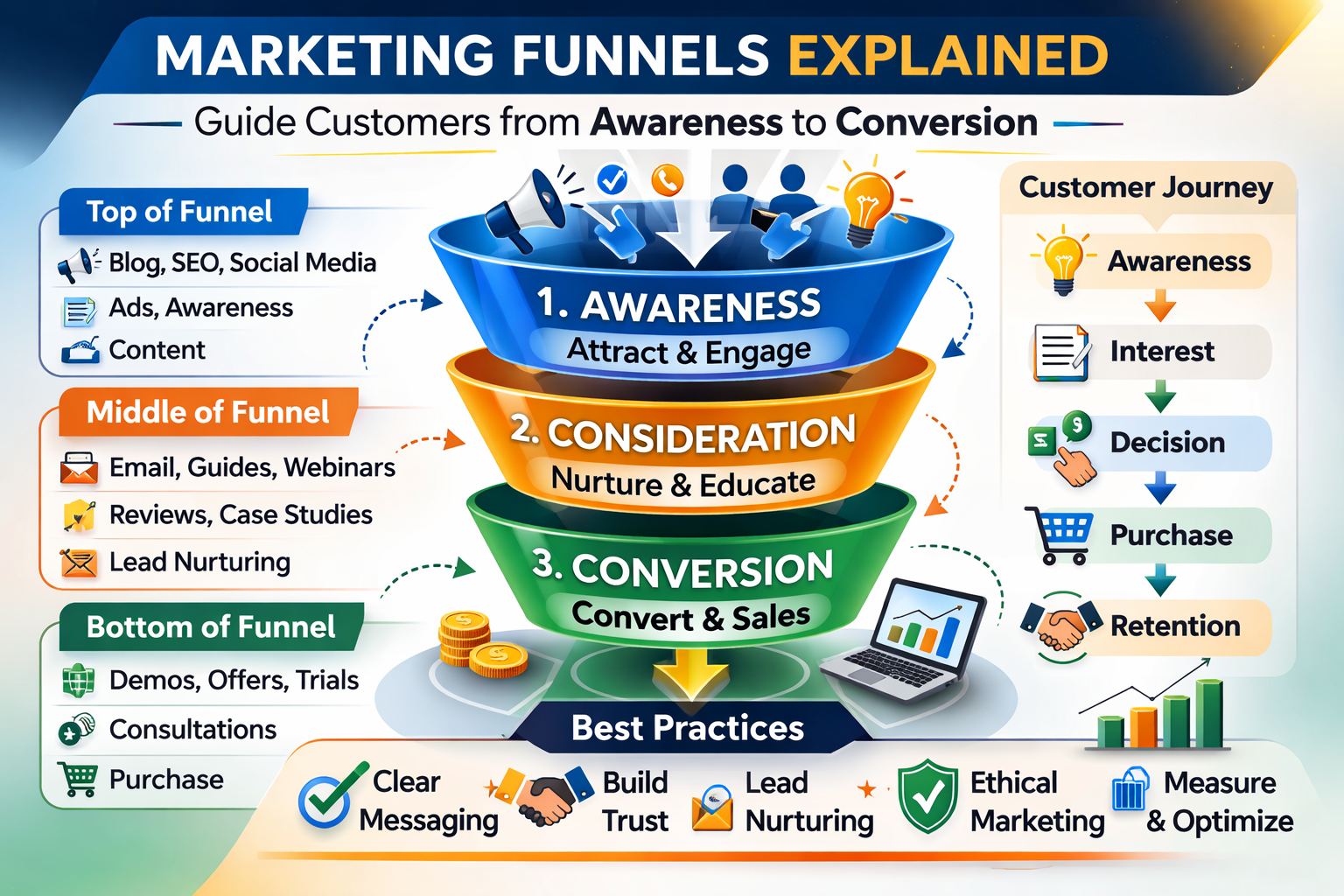
A marketing funnel is a framework used to illustrate the stages a potential customer passes through before making a purchase or completing a desired action. Funnels help marketers understand audience behavior, tailor messaging, and provide value at each stage of the customer journey.
The Stages of a Marketing Funnel
Top of Funnel (Awareness)
At this stage, the goal is to make your audience aware of your brand or product. Common strategies include content marketing, social media engagement, and search engine optimization. This stage focuses on education and information rather than direct selling.
Middle of Funnel (Consideration)
Potential customers are now evaluating options. Marketers can provide detailed guides, case studies, email newsletters, and webinars to help prospects understand solutions available. Nurturing trust and credibility is key.
Bottom of Funnel (Conversion)
This stage focuses on converting interested leads into customers. Tactics may include product demos, free trials, consultations, or comparison tools. Ethical funnel design ensures transparency, avoids pressure tactics, and clearly communicates value and costs.
How Marketing Funnels Help Businesses
-
Organize marketing activities according to the buyer’s journey.
-
Identify content and messaging gaps.
-
Measure engagement and optimize campaigns responsibly.
-
Improve lead nurturing without resorting to manipulative tactics.
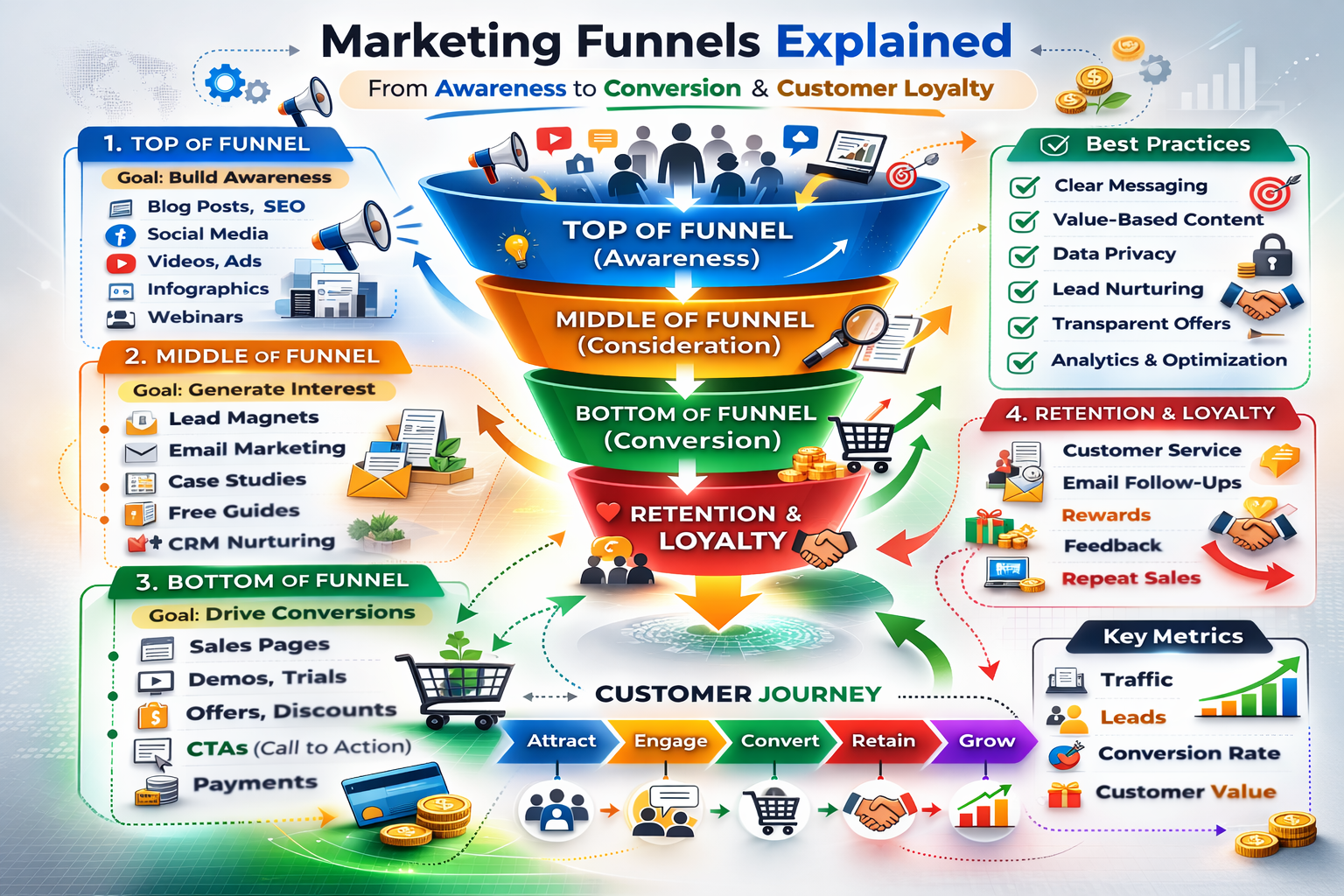
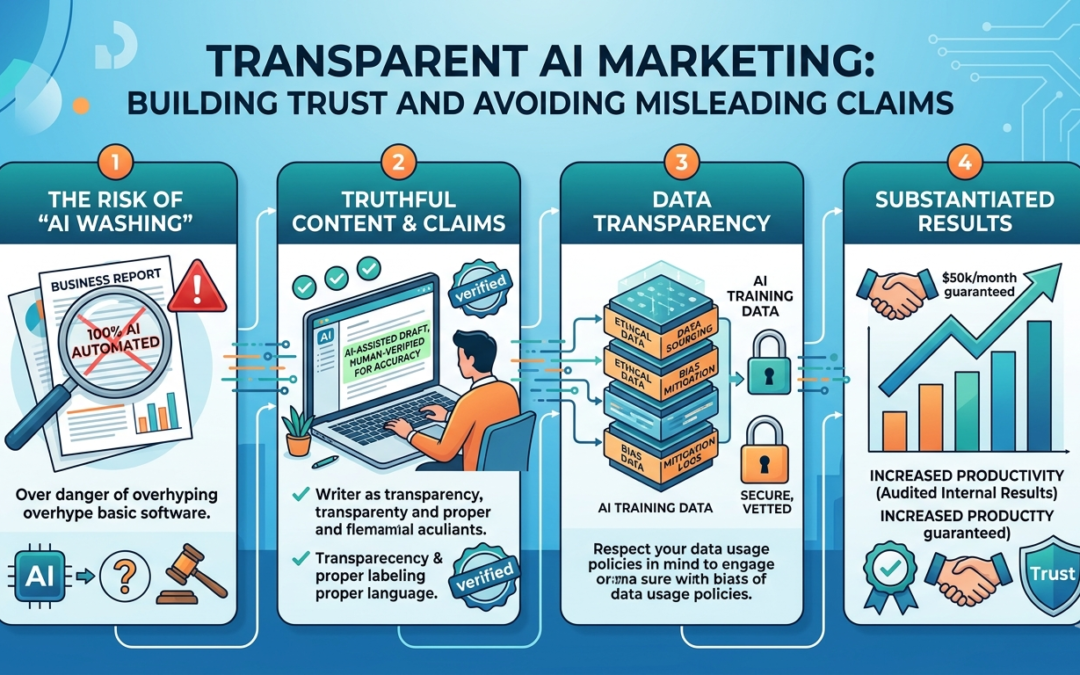
Infographic depicting stages of marketing funnels and key engagement points globally.
Best Practices for Ethical Funnel Management
-
Provide clear information and disclosures.
-
Avoid misleading claims about outcomes or performance.
-
Respect data privacy and consent regulations.
-
Align messaging with audience needs and expectations.
Common Funnel Mistakes to Avoid
-
Using clickbait or fake urgency.
-
Ignoring customer feedback and engagement data.
-
Skipping nurture stages and pushing for early conversions.
-
Collecting personal data without proper disclosure.
Checklist: Building a Simple Marketing Funnel
-
Define your audience persona.
-
Map the stages of the funnel.
-
Create content for awareness, consideration, and conversion.
-
Implement lead nurturing workflows.
-
Monitor performance and optimize ethically.
FAQ
Q1: Can a funnel work for small businesses?
A1: Yes, marketing funnels can be adapted to businesses of any size, depending on resources and audience needs.
Q2: Do all leads go through the same funnel?
A2: No, funnels may vary depending on product, audience segment, and customer behavior.
Q3: How do I measure funnel success?
A3: Metrics can include engagement rates, lead quality, conversion rates, and customer retention while respecting privacy regulations.
Trusted Sources / Standards
-
Google Search Central – Marketing Basics
-
Meta Business Help Center – Funnel Best Practices
-
FTC Consumer Guidance – Truth in Advertising
-
HubSpot – Inbound Marketing Fundamentals
Disclaimer
“This content is provided for general educational purposes only. Digital marketing results vary depending on market conditions, platform rules, audience behavior, and execution.”
Summary
Marketing funnels outline the journey potential customers take from awareness to purchase. By mapping top, middle, and bottom funnel stages, businesses can deliver relevant content, nurture leads, and guide conversions responsibly. Ethical funnel management ensures transparency, data privacy, and audience trust while helping marketers optimize campaigns in many regions without using manipulative tactics.