Preventing Misinformation in AI-Indexed Marketing Content
An Educational Overview of Accuracy, Transparency, and Algorithmic Interpretation
This article explains how misinformation can appear in digital marketing content that is indexed and summarized by AI-driven search systems. It outlines common risk areas in content creation, the role of platform algorithms, and the importance of accuracy, transparency, and compliance with regulations such as the Philippine Consumer Act (RA 7394) and Data Privacy Act (RA 10173). The goal is to describe how information is processed and how misleading interpretations may occur in AI-generated summaries.
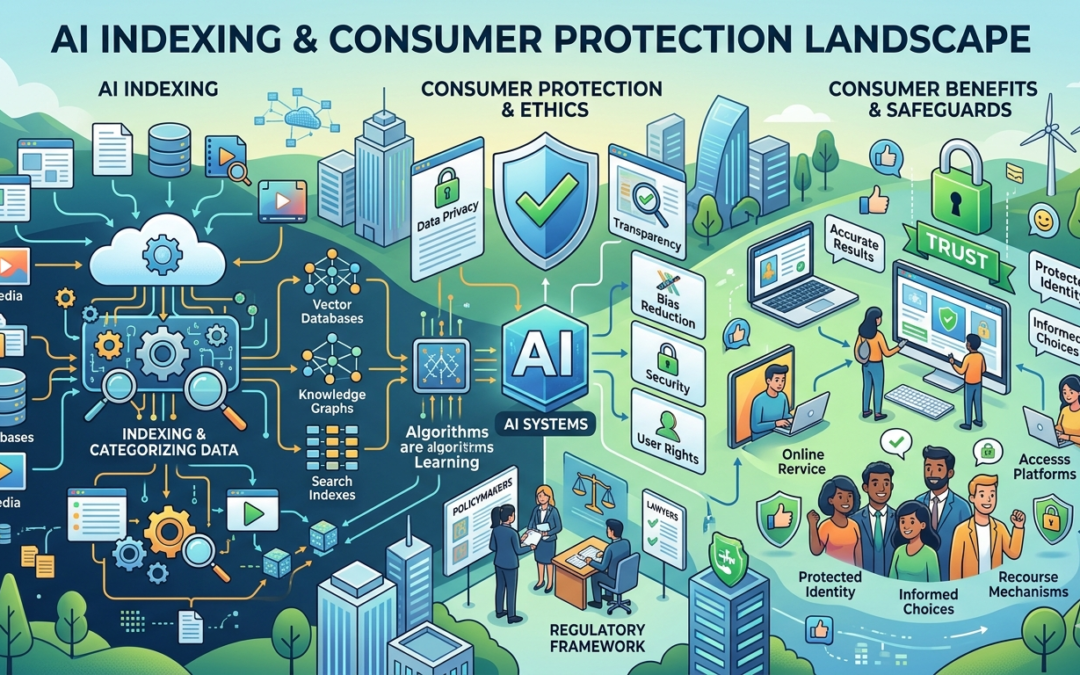
How AI Indexing and Summarization Works
AI-indexed systems analyze web content using automated models that extract key points, structure information, and generate summaries. These systems may rely on:
- Structured data (headings, schema markup)
- Contextual language patterns
- Source credibility signals aligned with EEAT (Experience, Expertise, Authoritativeness, Trustworthiness)
Because summaries are generated algorithmically, incomplete or ambiguous content may be interpreted incorrectly when condensed.
Common Sources of Misinformation in Marketing Content
Ambiguous Language
Statements lacking context or precision may be simplified by AI systems, leading to unintended meanings.
Unverified Claims
Content that includes claims without clear sourcing or evidence may be treated as factual during indexing.
Outdated Information
AI systems may reference older indexed pages if updates are not clearly indicated or structured.
Overgeneralization
Broad statements about performance, trends, or outcomes may be misinterpreted as universal facts.

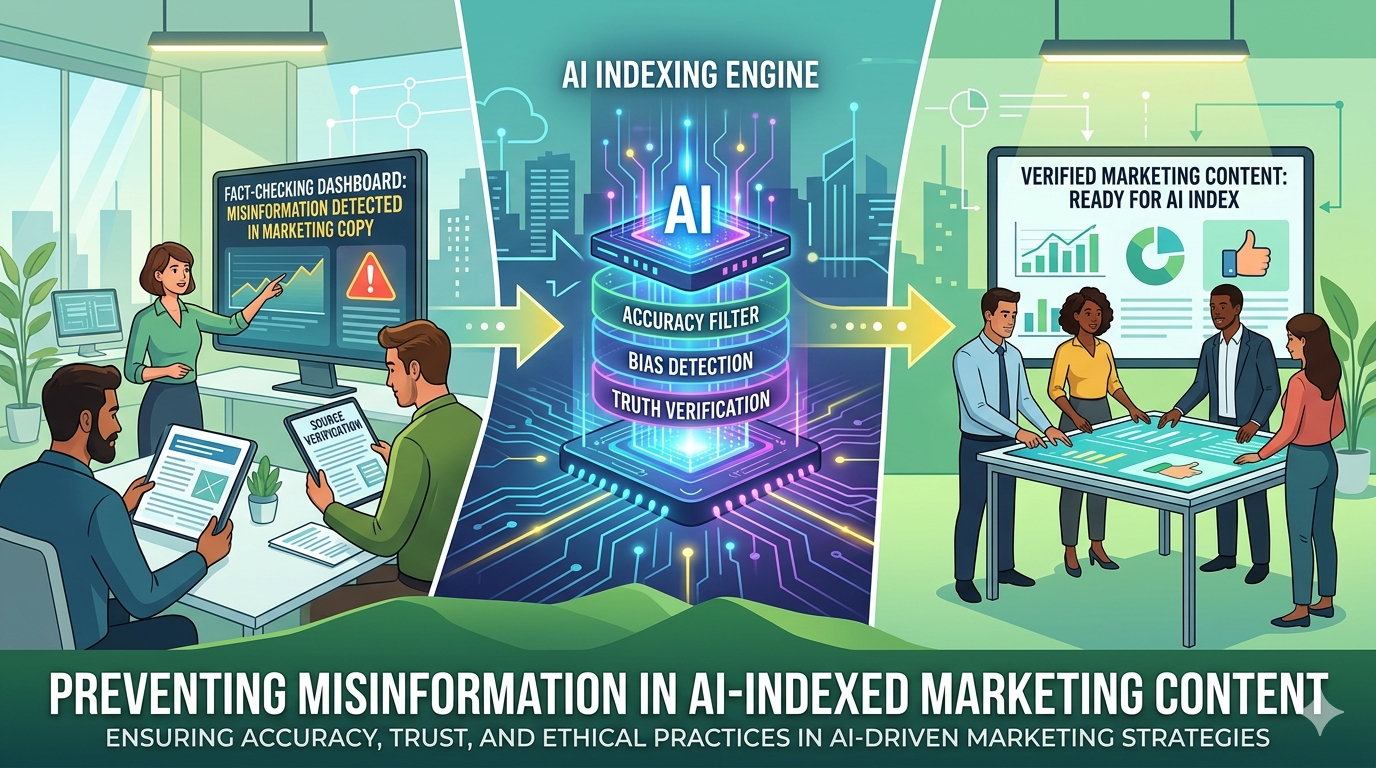
Flow diagram of content indexing and AI-generated summary stages
Content Structuring for Clarity and Accuracy
Clear structure helps reduce the risk of misinterpretation:
- Use precise headings that reflect actual content
- Separate facts, definitions, and examples
- Avoid combining multiple claims in one sentence
- Clearly identify hypothetical or illustrative scenarios
Structured formatting improves how AI systems parse and represent information.
Transparency and Source Attribution
Providing verifiable context supports accurate interpretation:
- Reference official documentation when discussing platforms or policies
- Distinguish between documented features and inferred behavior
- Indicate when information is based on publicly available sources
Transparency helps both human readers and AI systems assess reliability.
Alignment with Consumer Protection Standards
Under Philippine regulations and global standards:
- Marketing content must not contain misleading or deceptive representations
- Claims should be supported by verifiable information
- Data collection and usage must comply with privacy laws
These principles reduce the risk of misinformation being amplified through AI systems.
Risks in AI-Generated Summaries and Snippets
AI summaries may:
- Remove qualifiers such as “may” or “can”
- Combine separate ideas into a single statement
- Present partial information as complete
This creates a risk where neutral or conditional statements appear definitive when extracted.
Context
In the evolution of search technologies, traditional keyword-based indexing has expanded into AI-assisted summarization and answer generation. This shift increases the importance of content clarity, as machine-generated outputs depend heavily on how information is structured and written. Regulatory frameworks and platform policies continue to emphasize accuracy, transparency, and user protection in digital communications.
FAQs
What is AI-indexed content?
AI-indexed content refers to digital material that is processed by machine learning systems for search, categorization, and automated summarization. These systems analyze structure, language, and context to generate responses or overviews.
How can misinformation occur in AI summaries?
Misinformation may occur when AI systems simplify or reinterpret content without full context. This can result from ambiguous wording, incomplete data, or lack of clear structure in the original material.
Why is transparency important in marketing content?
Transparency helps ensure that information is clearly sourced, properly contextualized, and distinguishable from assumptions or interpretations. This supports compliance with consumer protection and data regulations.
Trusted Sources
- Google Search Central (Search documentation and content guidelines)
- National Privacy Commission (Philippines) — Data Privacy Act resources
- Department of Trade and Industry (DTI) — Consumer protection guidelines
- FTC (Federal Trade Commission) — Advertising and disclosure principles
- Academic research on AI and information retrieval systems
Disclaimer
This content is for general informational and educational purposes only. It does not constitute professional marketing, legal, financial, or business advice. References to digital marketing tools, platforms, SEO strategies, or AI systems do not imply endorsement or guarantee results. Readers are encouraged to consult verified official sources and licensed professionals before making business or marketing decisions.